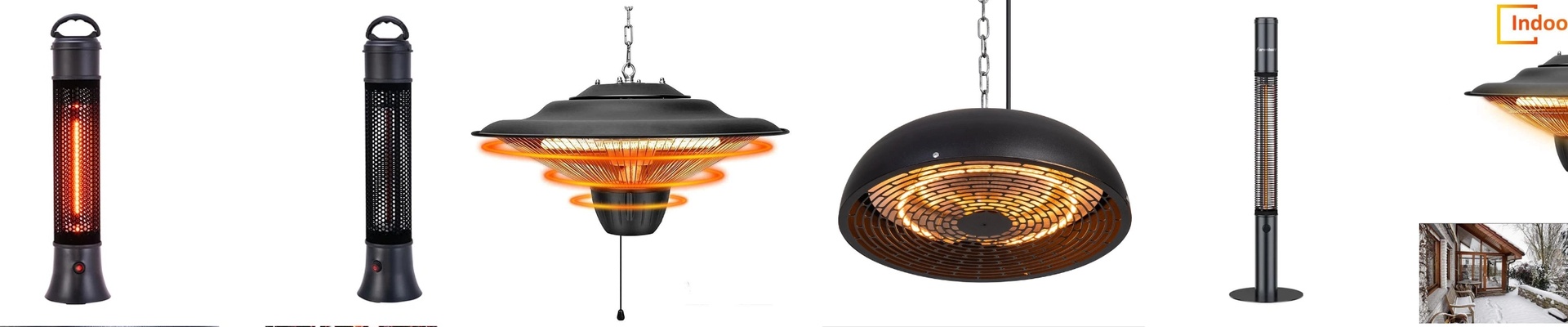
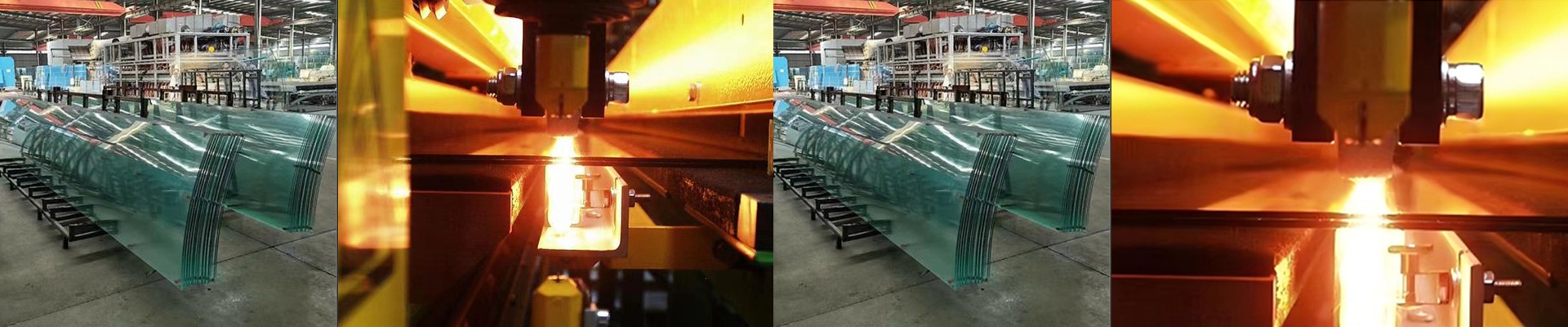

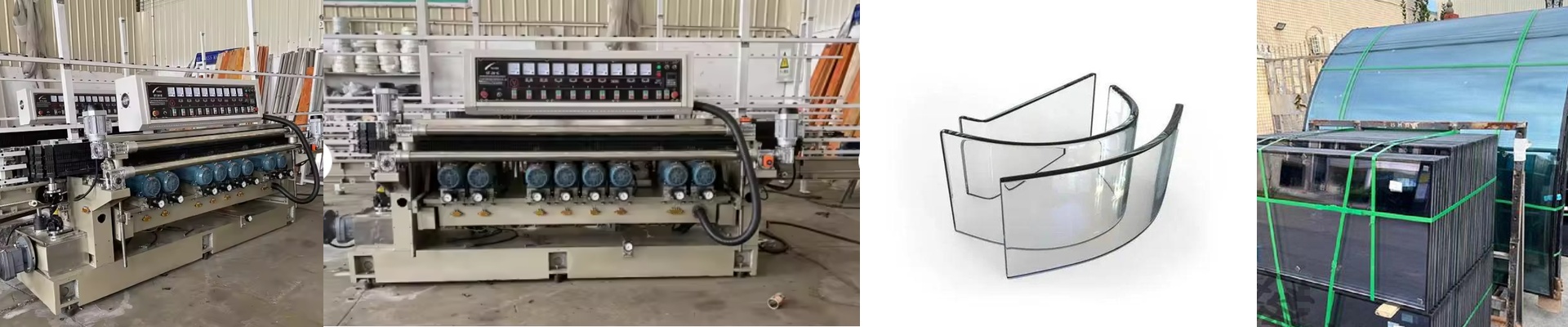
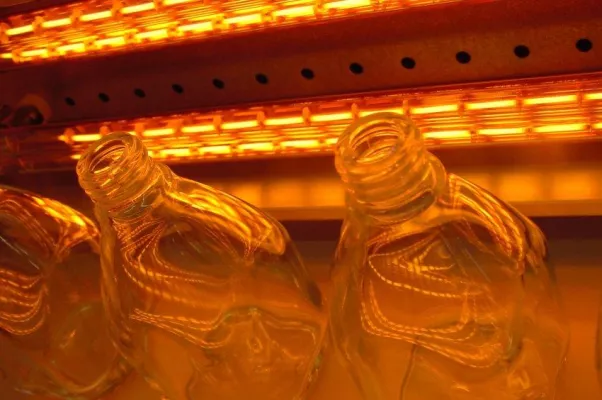
Cutting through ultra-thick glass is a nightmare for your equipment. If you try to score a cold, heavy slab, your diamond wheel is basically fighting a war. It’s a lot of friction and a ton of mechanical stress. The result? Your blades dull almost instantly. You end up swapping them out constantly, which is a waste of time and money. We found a better way. Instead of just pushing harder, we use high-penetration infrared (IR) lamps to soften the glass right where the cut happens. Why the heat matters We stick with shortwave IR emitters because they actually sink deep into the glass. Other types of radiation just bounce off the surface. By focusing that energy right on the score line, we drop the surface tension and make the glass less “stubborn.” When the wheel hits that pre-heated path, it doesn’t fight the material—it just glides. It’s the difference between trying to carve through a frozen block of butter and one that’s been sitting out on the counter. Your cutting wheels last way longer because they aren’t taking a beating every single second. Finding the sweet spot To get that heat deep into a thick slab, you need lamps with high wattage density. You want a concentrated beam. If you just heat up the whole plate, the glass expands unevenly and—snap—you’ve got a crack where you didn’t want one. But you can’t just crank the heat and walk away. It’s a balancing act with your line speed. Move the conveyor too slow? You’ll melt the surface or get “burn-in.” Move it too fast? The heat doesn’t penetrate deep enough, and you’re right back to wearing out your blades. The practical side of things Just a heads-up: these high-output lamps are thirsty. They pull a lot of current, so make sure your wiring and power supply can actually handle the load. You don’t want voltage drops messing with your consistency. And they gethot. Like, really hot. Make sure your housing has plenty of airflow or some active cooling. Otherwise, you’re looking at melted sockets and fried electronics, which is the last thing you need.