
Getting Glass Stress Relief Right
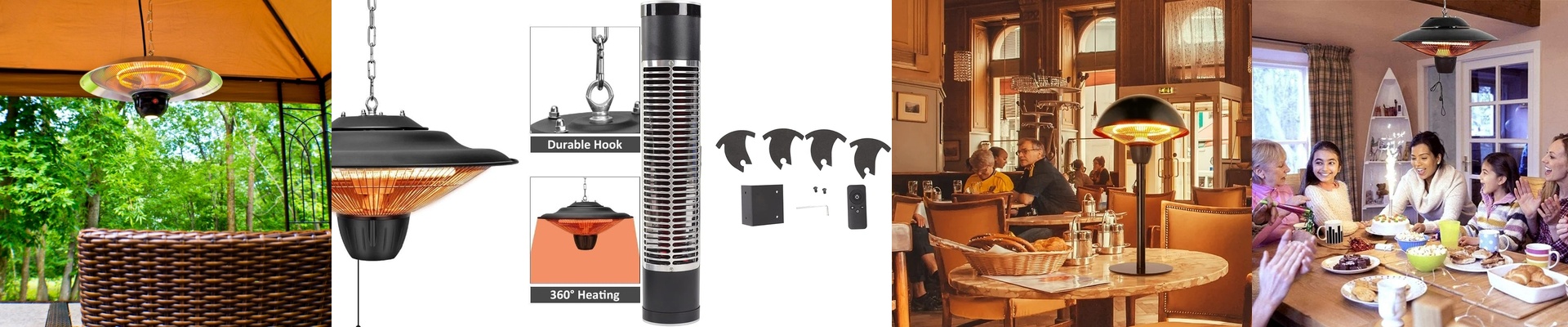
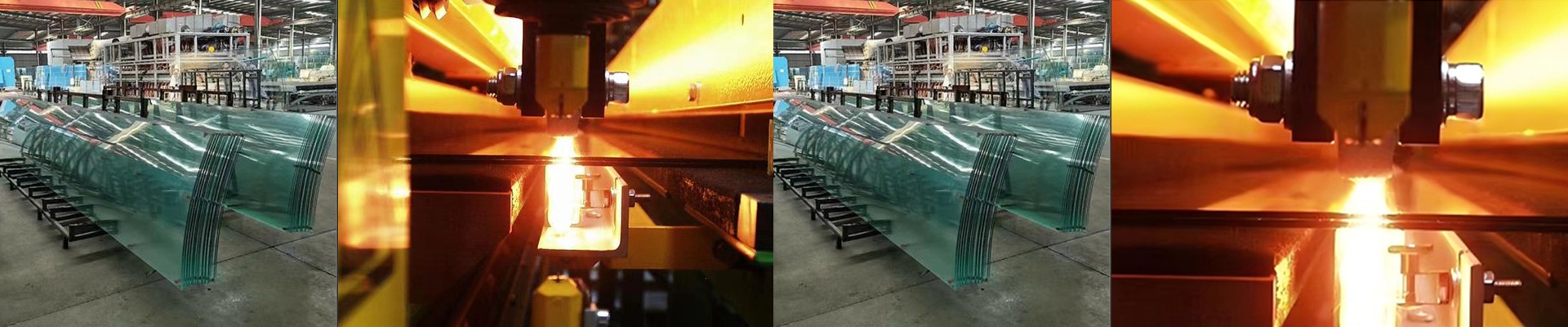
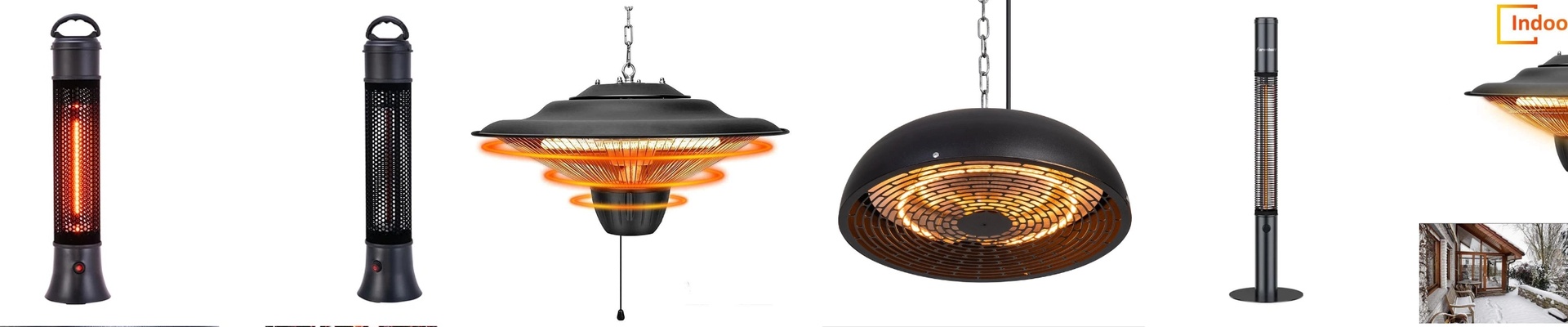
There is nothing worse than spending hours on a piece of lab glassware only to have it shatter for no apparent reason. Usually, it’s because of internal thermal stress. If your temperature drifts by even a couple of degrees during annealing, you’re basically playing Russian roulette with your glass. That’s why we stick to a 0.1°C tolerance using high-precision infrared (IR) elements. It keeps the glass moving through that critical annealing point without accidentally creating new stress zones. Why 0.1°C actually matters Glass is picky. If you go too hot, your vessel sags or deforms. Too cold, and that stress stays locked inside, waiting for the right moment to crack. We handle this by pairing short-wave IR emitters with high-speed PID controllers. Instead of wasting time heating up the air around the glass, the IR radiation hits the glass wall directly. It’s a direct energy transfer. That’s the only way to make the tiny, lightning-fast adjustments needed to stay in that narrow 0.1°C window. The gear and the trade-offs We build our elements with tungsten filaments inside high-purity quartz envelopes. Quartz is the only way to go here because it lets the IR spectrum pass right through without soaking up the heat itself. But you can’t just crank up the power. There’s a tug-of-war between power density and the length of the tube. Sure, a short, high-wattage element heats up fast. But it also creates “hot spots” that can wreck a thin-walled flask in seconds. We usually spread the load across longer elements. It takes a bit more planning, but the heat footprint stays uniform across the whole container. The reality of setting it up Here is the catch: your wiring has to be clean. If your plant’s power grid has any voltage ripple, that noise goes straight into your temperature. It kills your precision instantly. You’ll want a dedicated stabilizer or a high-end SCR to keep the output flat. And keep an eye on your cooling fans. If they aren’t balanced, you’ll end up with cold spots, and it won’t matter how expensive your IR elements are.