Getting the Heat Right: Why Spectral Tuning Matters for Glass
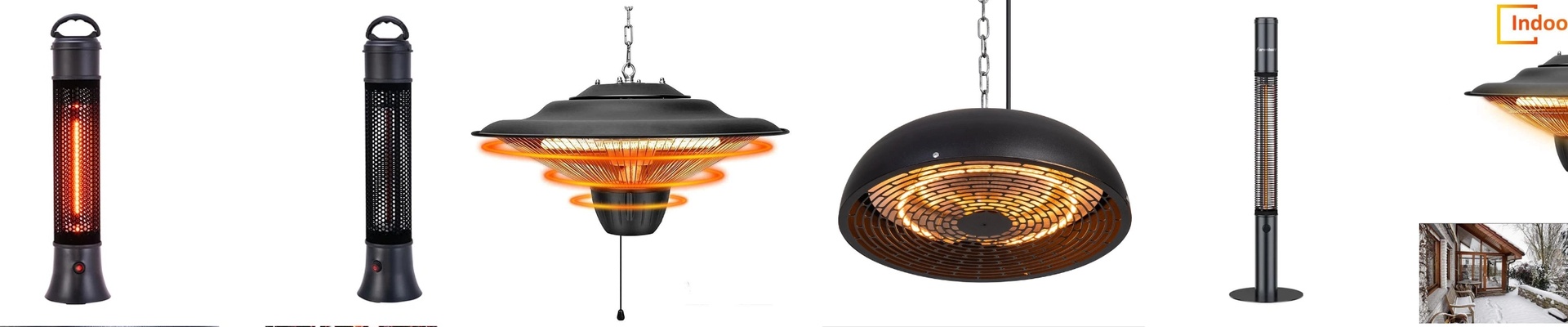
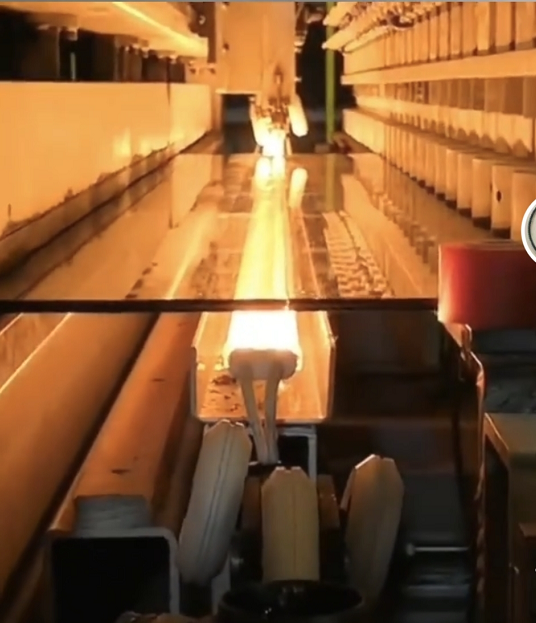
Most infrared lamps are just… blunt instruments. They throw a ton of heat at your glass, but a lot of that energy just bounces off or gets ignored. When you’re working on high-end jewelry, that’s not good enough. Instead of just cranking up the heat, we look at the “spectral match.” We tweak the lamp’s emission curve so it actually lines up with the specific additives in your glass. Hitting the sweet spot Glass isn’t all the same. Depending on the oxides you use for those deep colors or that crystal clarity, your glass “likes” certain wavelengths more than others. We customize the emitter materials and internal coatings to focus the energy right where the glass can actually absorb it. This means the heat sinks deep into the core of the piece. You aren’t just scorching the surface and hoping for the best. It stops that dreaded thermal shock and keeps internal stress from ruining your work. The trade-off Here’s the thing: when you tune a lamp for precision, you lose some raw power. A narrow-band emitter isn’t going to put out the same massive blast of heat as a standard halogen tube. It’s a trade. You get surgical precision, but your ramp-up times might be a bit slower. You’ll just need to hang out in the annealing oven a little longer to make up for that shift in energy. Putting it to work You don’t need to rip out your entire setup to make this work. We build these lamps to fit right into the footprints you already have. Whether you’re using quartz or special coatings, the electrical side of things stays the same. No rewiring your control cabinet, no headache. Just swap the tubes, recalibrate your pyrometer to the new profile, and you’re set. It’s a simpler way to stop wasting energy and, more importantly, stop throwing away pieces because they cooled unevenly.