
Getting Glass Printing Right with Infrared Annealing
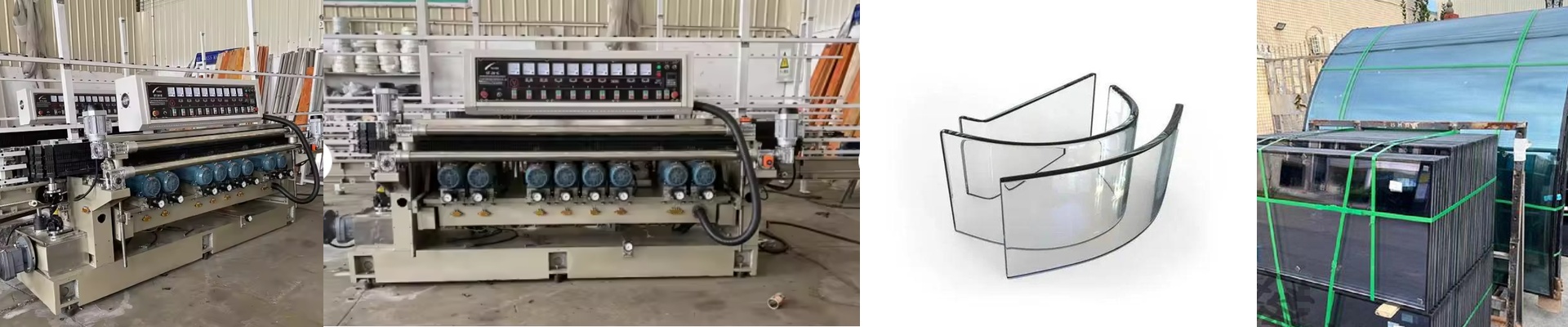
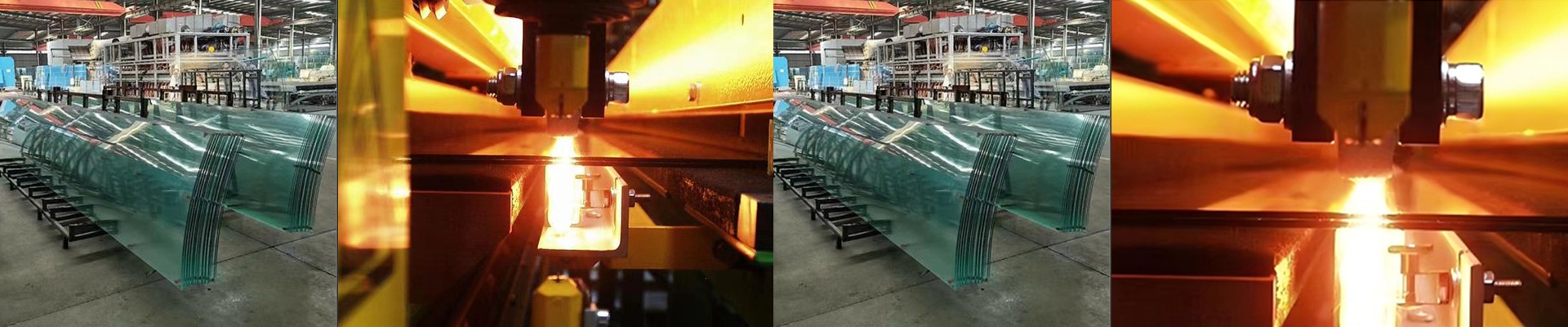
If you’ve ever run a glass screen-printing line, you know the headache. You’re stuck in this constant tug-of-war. You need enough heat to cure the ink and get rid of those internal stresses, but if you push it too far? You warp the glass or your patterns start looking like a blurry mess. That’s where shortwave infrared (SWIR) annealing lamps come in. They’re basically the bridge that solves that conflict. The trick is all about how the heat hits. We use high-wattage quartz lamps that dump energy straight into the surface of the glass. It’s fast. By tweaking the voltage and how close the lamp sits to the glass, you can dial in the exact heat flux you need. The goal is to hit that sweet spot—the glass transition temperature—without baking the entire piece for an hour. But be careful. If you crank up the wattage and keep the conveyor moving too slowly, your ink will bleed and the edges of your glass will start to distort. It’s a delicate balance. The gear that makes it happen We don’t use flimsy parts here. These lamps are wrapped in heavy-duty quartz because they have to handle the shock of heating up and cooling down over and over again. We also use industrial-grade connectors so you don’t have to worry about things arcing or burning out when the current gets high. To keep things efficient, we add coated reflectors. They push the IR energy straight down onto the glass instead of letting it leak into the oven housing and waste power. The trade-off you need to watch for Here’s the thing: you can’t have instant heat without some risk. Because SWIR lamps ramp up so quickly, they create a sharp temperature difference between the surface and the core of the glass. This is where people usually mess up. If your cooling fans aren’t strong enough to handle the heat as the glass exits, you’ll just bake new stresses right back into the material. It completely defeats the purpose. My advice? Pair the whole setup with a PID controller. It takes the guesswork out of it and keeps everything steady.