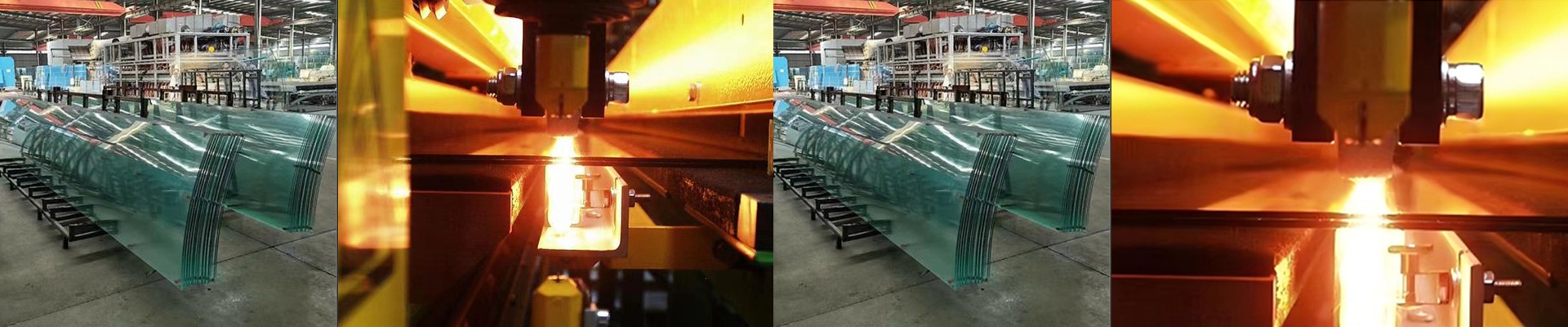

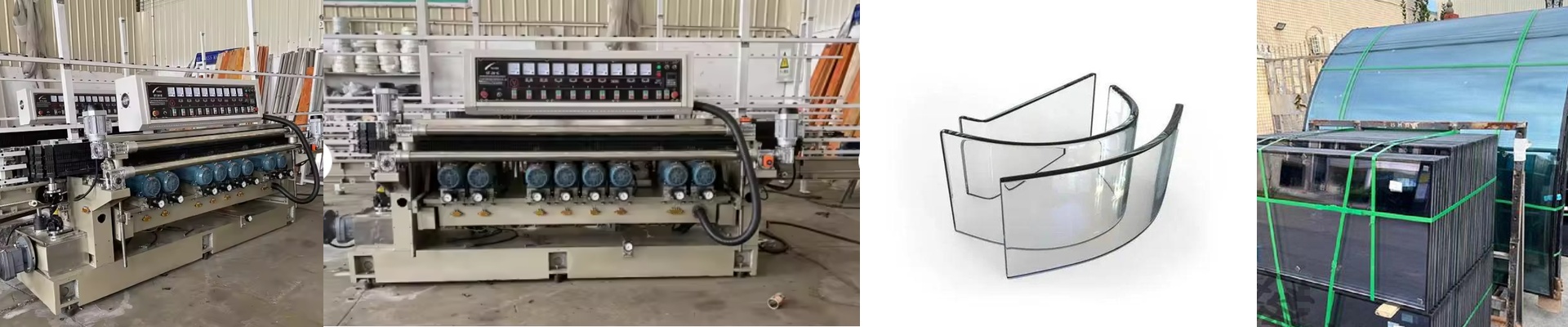
On a tempering line, the oven is usually the bottleneck—especially when the heat isn’t landing where it needs to. Uneven thermal fields kick off thermal stress, and then you’re dealing with bow, warp, or fractures. Lamination presses bog down when heating zones lag, and coating lines bleed line speed trying to get full dry-through. The work has to dictate the heat, not the other way around. Here’s what matters under the hood: we build the heating around medium-wave infrared emitters in a quartz envelope, chosen to match the emissivity of glass and coated glass stacks. Power density is engineered to be uniform across the target, with tight zone control so the center and edges see the same energy profile. The system is sized to your line—voltage, current, and footprint matched to your machine’s envelope—and the connectors and mounting drop into what you already have. Fast ramp-up keeps tempering and bending moving, and stable dwell cuts convection swings that drive bow and optical distortion. In tempering, that uniform heating slashes scrap from stress fractures and improves optical quality, so finished yield climbs. In lamination, quicker, even heating shortens cycle time and reduces bubbles and inclusions. Energy use drops because the emitters deliver heat on demand—minimal standby loss, no preheat penalty. Maintenance gets easier too: the quartz elements hold up, wiring stays straightforward, and the modular layout lets you swap modules quickly without tearing the whole line down. A couple of practical notes. Medium-wave IR responds fast, but it needs clear line-of-sight and clean surfaces. Heavy coatings or shields can shade the glass and shift the profile. Expect a short commissioning window to dial in power and dwell for your specific glass thickness and stack. Once it’s set, the system runs predictably—just keep reflectors clean and verify temperature uniformity during PM.