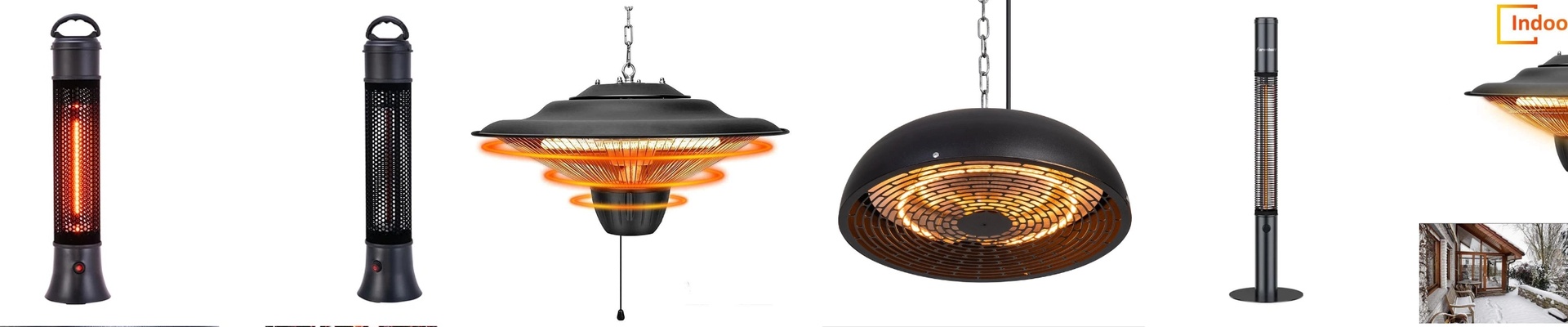
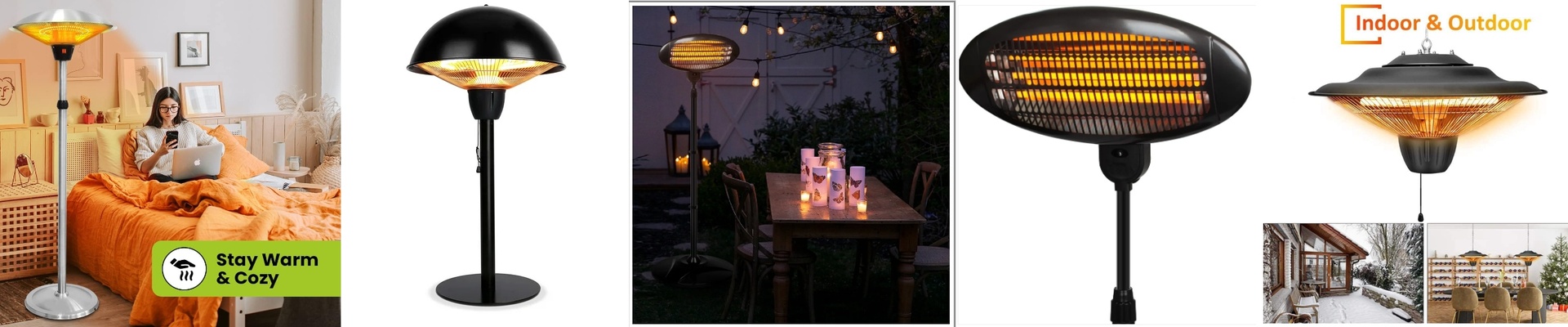
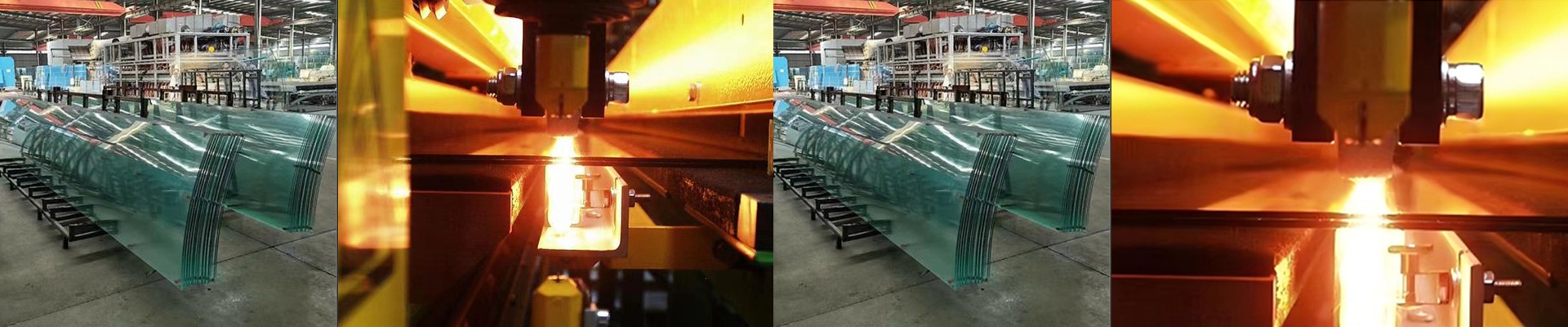
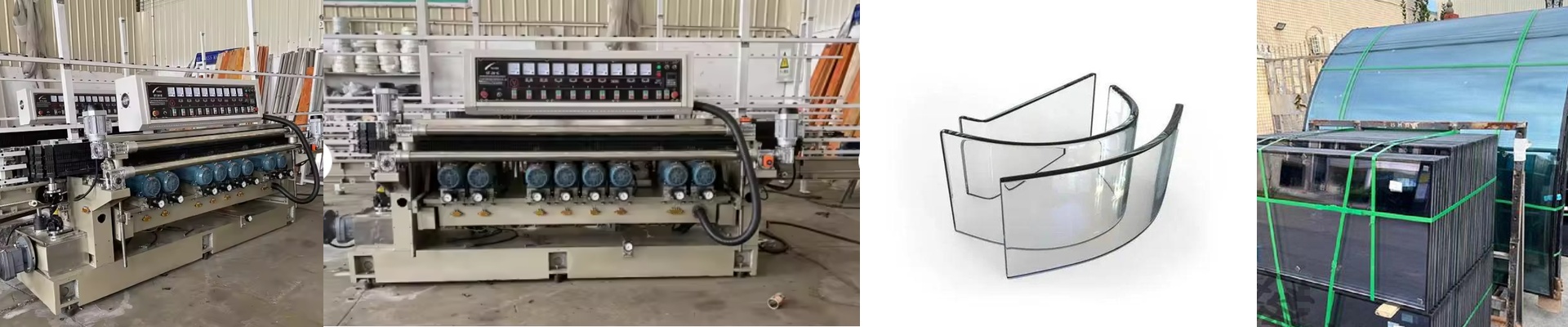
On the production floor, glass finishing tolerances live in seconds and degrees. You feel it the moment the heat profile drifts—optical distortion shows up in bent glass, thermal stress cracks pop during tempering, and laminated windshields come out with weak edges. Convection ovens fight to keep pace with line speed, and their slow ramp-up drags out changeovers. Bring the heat source right to the glass surface with infrared, and you cut response time and tighten the process window. What actually matters We build industrial infrared heaters for glass finishing around three levers: wavelength, power density, and thermal uniformity. For thin glass and fast surface heating, short-wave quartz emitters hit hard and switch fast, so you can run tight thermal cycles without soaking the whole chamber. For thicker laminates and coatings, medium-wave carbon or ceramic emitters give you deeper penetration and a steadier profile over longer dwell times. Specs matter—wattage per square inch, line voltage compatibility, lamp length, and mounting interfaces decide whether the unit drops in as a module or needs a custom array. Focused energy means less idle heat, lower ambient load, and ramp rates that stay in sync with the conveyor. Where it earns its keep Infrared shows up across the four core steps. In bending, a uniform infrared field cuts hot spots and edge roll-off, so sag is consistent and optical quality is cleaner. For tempering, rapid preheat shortens the furnace cycle and improves surface compression by limiting time at peak temperature. In lamination—EVA, SGP, or PVB—infrared cures even and controlled, which minimizes bubbles and voids, especially at part edges. For coating and paint drying, that same control prevents blistering and improves adhesion. The payoff is fewer rejects, faster changeovers, and lower energy draw per square meter. The practical details Infrared is line-of-sight. Keep reflectors aligned and space emitters so you don’t cast shadows that drive non-uniform heating. Emissivity shifts with coatings and glass tints, so the control strategy needs pyrometer feedback or closed-loop power adjustment. You’ll get faster lamp response than convection, but plan for thermal management—shield electronics and sensors from radiant heat. Retrofits are usually straightforward, but verify clearances and cooling requirements before you lock down the layout.