
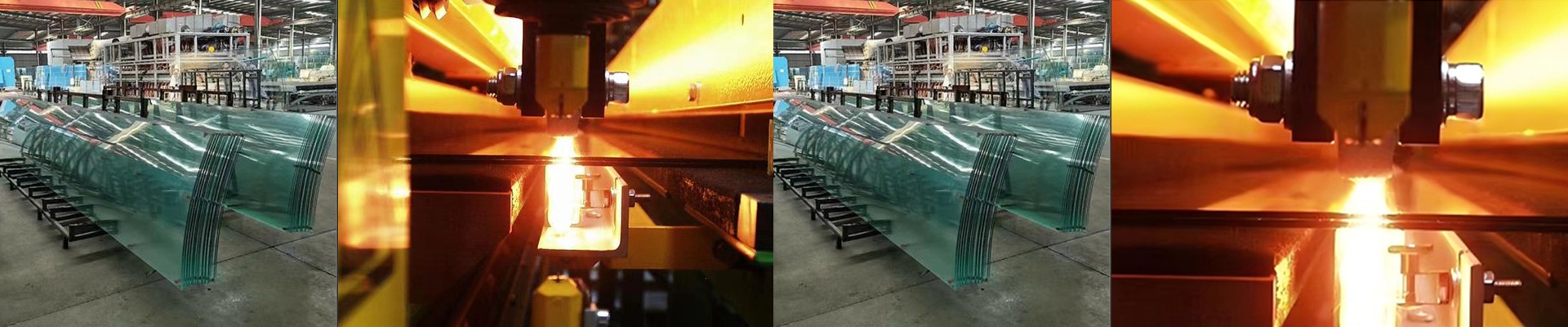
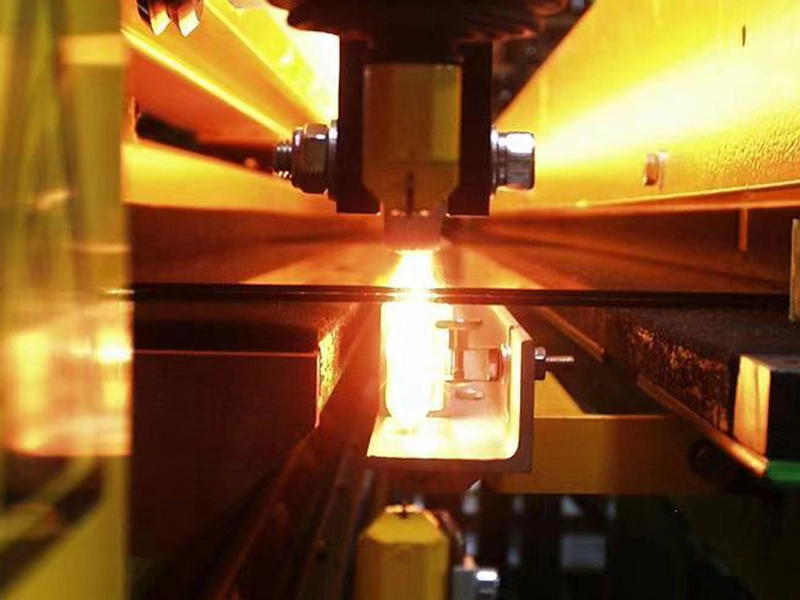
On a glass line, uneven cure isn’t just a cosmetic issue. It can drive adhesion problems, optical distortion, and scrap that shows up right on the shift report as lost yield. Convection ovens can drag out cycle time, and holding a tight thermal window across curved or coated substrates is a constant fight. We built our glass paint curing with infrared heaters to lock in the temperature profile you need—steady, shift after shift. The heart of it is short-wave infrared, delivered through quartz emitters that respond fast and run with low thermal mass. Peak wavelengths are tuned for high absorption on painted surfaces, while limiting how much heat soaks into the glass body. That gives you faster cure without pushing thermal stress into tempered or bent parts. We size the heaters to match line speed and part geometry, calibrating power density for both thin-film coatings and thicker paint layers. Control is closed-loop, with calibrated sensors holding setpoint stability. In coating curing, the gap between a stable profile and drift is usually the gap between first-pass yield and rework. Out on the floor, this heating approach fits where ovens fall short. On bending and tempering lines, the quick ramp makes scheduling between heat-up and quench tighter and less stressful. In coating and drying, you get uniform cure across flat and curved glass, cutting orange peel, wrinkling, and uneven gloss. It also plays nicely with lamination pre-press and insulating glass sealant activation, where controlled surface heat improves adhesion without overheating edges. Energy use drops because the heat goes where it’s needed—onto the target—instead of warming up the whole air. Installation is straightforward, but alignment is not optional. Infrared is directional, so mounting tolerances have to be tight. A misaligned emitter creates hot and cold zones that show up as curing bands. Clearance to the glass and to nearby fixtures matters for both temperature uniformity and safety. Warm-up is short—typically under two minutes—then you set the profile once and run. If you’re switching from convection, plan a quick line trial to map part temperature against belt speed and emitter power.