

Let’s Talk About a Heat Solution That Actually Makes Sense
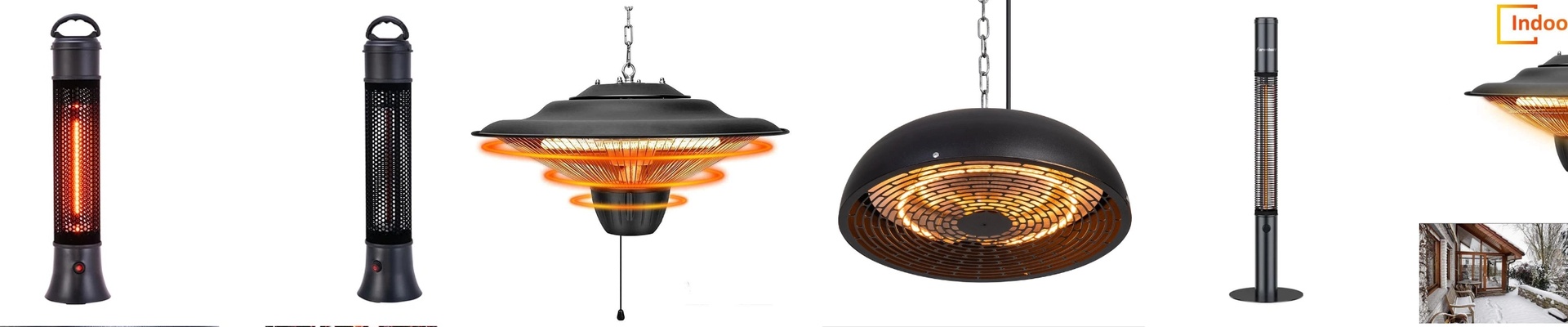
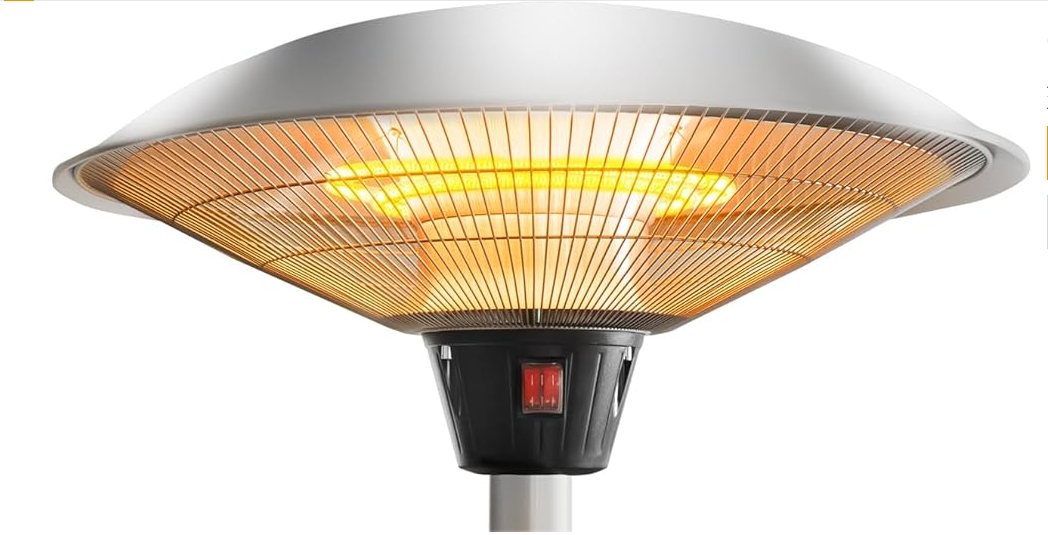
We’re looking at a tool built for a very specific job: the high-efficiency electric infrared heater. For commercial properties, this isn’t just another way to warm a space. It’s a smart, targeted fix that slashes energy use and directly boosts your building’s sustainability performance. This isn’t about just making a room feel toasty. It’s about fundamentally improving how the building holds and uses heat.
The Power Behind the Heat
Here’s how it works. Infrared heating turns electricity directly into radiant heat. No waiting around, no energy lost heating up air that just rises and disappears. Our systems are built for serious output, typically hitting 2500W or more. They run on 230V or 400V circuits—the same standard setup you find in most industrial buildings. So you get serious power without having to rewire the whole place. And the best part? It’s instant. Flip it on, and the heat is there. That means it only pulls power when it’s actually needed, which sidesteps all the energy waste you get with boilers or big HVAC systems that idle even when they’re not in use.
Built to Last, Not Just to Heat
These heaters are tough. The core uses a high-temperature quartz tube, often finished with a special reflective coating. That coating isn’t just for looks—it pushes over 90% of the infrared energy forward, right where you need it. No wasted heat. Inside, the halogen element keeps output steady and consistent over time. The R7s base connector is the standard for this type of unit, giving you a secure, vibration-resistant connection that holds up through repeated heating and cooling cycles. Just keep in mind, this is serious heat in a focused spot. It’s rock solid, but you’ve got to mount it right and give it the proper clearance.
Where It Shines—and What It Means for You
Picture this: you’ve got a cold basement, a spot that always feels drafty and saps heat. This heater doesn’t waste time trying to warm the whole room. It warms the surfaces and objects directly. The result? A steadier, more comfortable feel using way less energy. For you, that means lower kWh usage and a clear drop in the building’s carbon footprint. For the property owner, it means a stronger ESG score—something that boosts the building’s value and draws in tenants who care about sustainability. The trade-off is straightforward: make sure the electrical circuit and any local cooling are sized to match the unit’s power. When you bring this tech into a building, you’re making a practical move. You’re cutting operating costs and meeting today’s sustainability standards. It’s a real, measurable upgrade to the property’s core systems.