


Introduction
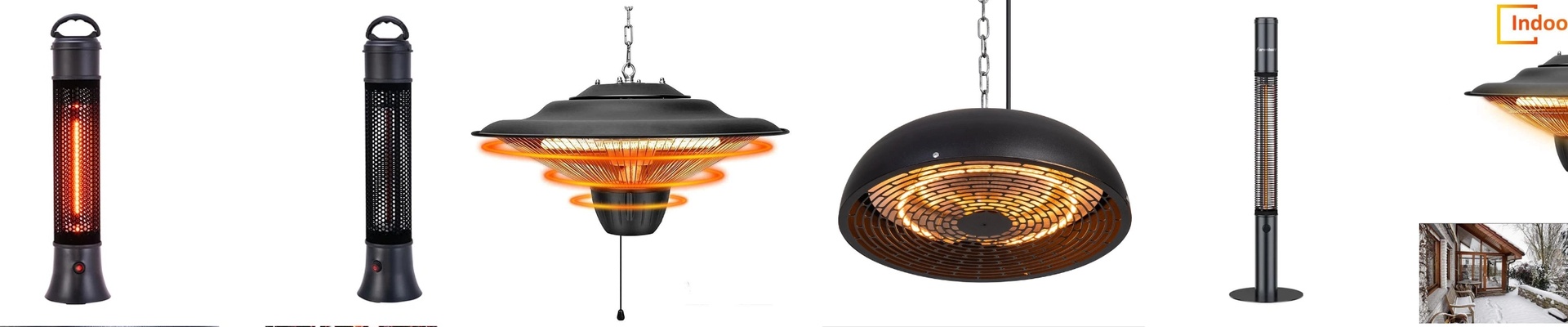
We built these infrared halogen heaters for one reason: they work where the heat needs to be intense. Think yoga studios, gyms—places where people are working hard and need deep, penetrating warmth. The whole point is simple: deliver heat straight to the body, not to the air. It gets into your muscles, helps you sweat the way you want to, and does it without turning the room into a sauna. It’s focused warmth, right where you need it.
What Makes Them Tick
Here’s the heart of it: a shortwave infrared tube packed into a small frame. These things run on 220V or 240V and pull serious power to create that intense heat. And the size? Surprisingly compact—often under 600mm long. That means you can line them up on a ceiling or wall, covering a lot of space without tripping over equipment on the floor. It all comes down to the physics. The filament gets hot, the quartz tube sends that energy out as infrared, and it warms people directly. The air stays where it should—comfortable and breathable.
The Design That Takes a Beating
Inside, you’ve got a halogen-cycle filament in a quartz tube. This setup keeps the output steady and handles the constant on-and-off of a busy studio schedule without burning out. And the R7s connector? It’s the standard for a reason. Tough, reliable, and it holds the high current without fuss. When a lamp needs replacing, you can do it in minutes—no tools needed. The quartz tube itself is built for the heat. It takes rapid temperature changes in stride, so it won’t crack when things get switched on and off. In a commercial space, that kind of reliability isn’t optional—it’s everything.
Why Studios Love Them
In a hot yoga or fitness studio, these heaters create a zone of warmth that feels intentional. The radiant heat goes deep, helping clients get into a good sweat faster, which is exactly what the class is built around. For the business, that means offering a premium experience that sets you apart. Now, there’s one thing to get straight: these heaters need proper electrical planning. High-wattage infrared tubes need their own dedicated circuit. Treat them like the industrial equipment they are, wire them correctly from day one, and they’ll run strong for years.