
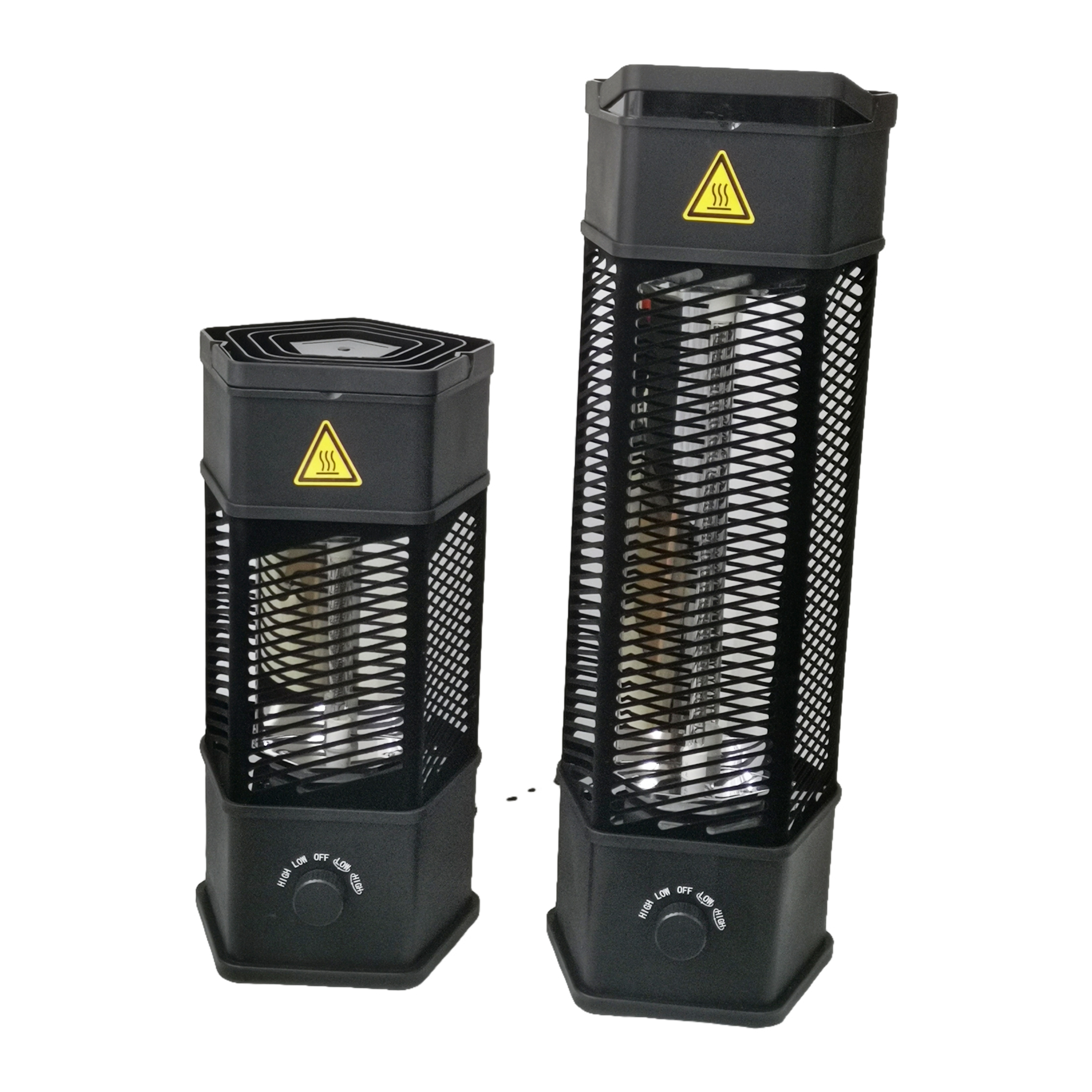
Picture the lights dropping, the projector humming, the soundtrack starting. Then the forced-air whisper kicks in and pulls you right out of the moment. In a home theater, even a little draft breaks immersion. That’s why a lot of you lean on an infrared patio heater—not as a side item, but as the quiet backbone of comfort.
What matters, technically
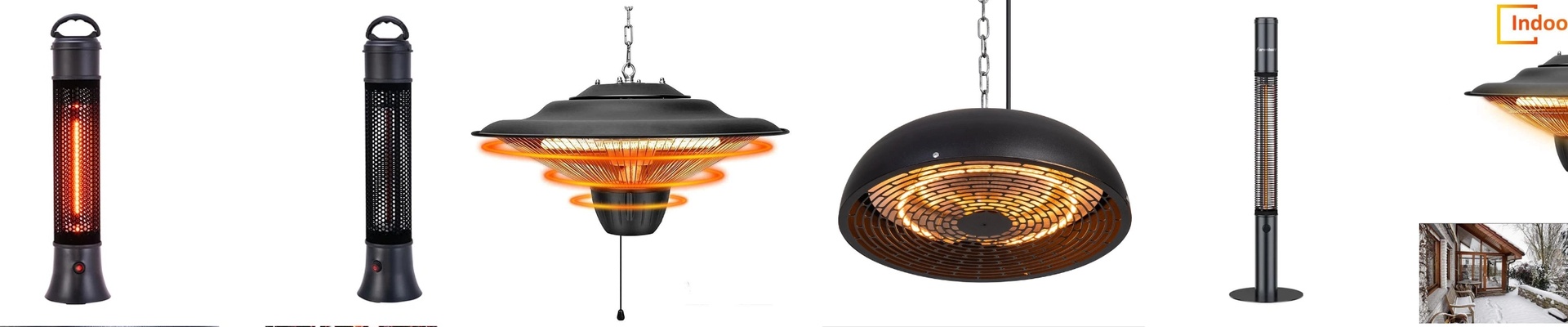
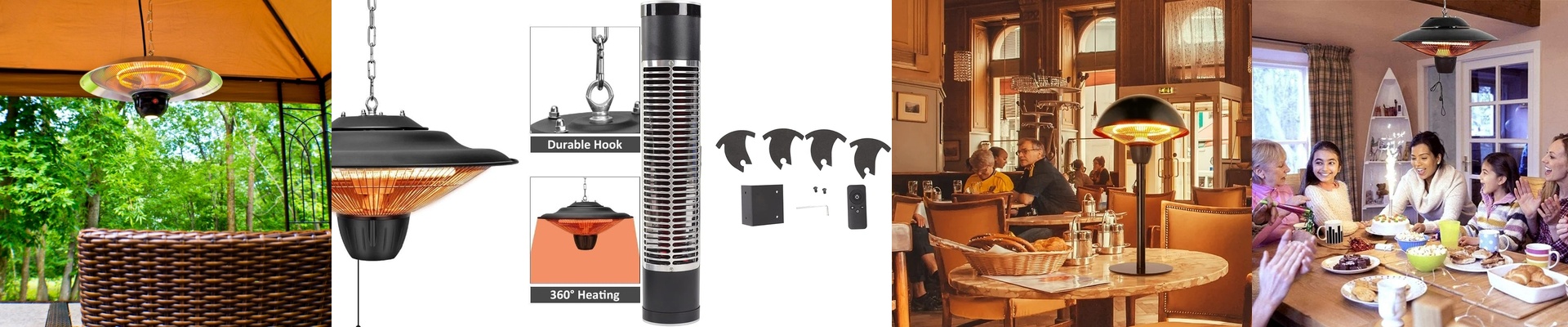
Infrared patio heaters warm people and surfaces directly, not the air. You get radiant warmth almost instantly, and there’s no blower to make noise. We build our units around efficient quartz tube elements that lay down broad, even coverage. Most models run on a standard 120V outlet, with output tuned for living spaces—typically around 1,500W—so you get steady heat without tripping the circuit. The core runs hot while the outer housing stays cool to the touch. For safety, we include tip-over protection and an overheat cutoff. Many versions carry an IP rating suitable for covered outdoor use, so moisture and dust don’t become a headache.
Why it fits home theater
Home theaters need stillness. Infrared warmth delivers that because there’s no fan noise competing with dialogue or music. You get cozy comfort without the chatter of moving air, so the soundscape stays clean. The heat arrives fast, which helps you keep the room at a consistent temperature without waiting around. Because the energy targets people and furniture, you aren’t wasting watts heating air that leaks out through vents or cracks. That focused approach keeps operating costs predictable and keeps the quiet focus your room was built for.
What you need to keep straight
Infrared heat is directional, so placement matters. Aim the unit to warm seating areas and key surfaces, not a blank wall. For the best results, size the heater to your room and keep the path clear. Also, infrared heaters are quiet, but the room can still make noise—keep lamps, stands, and cords organized to avoid vibration. If you plan to use the heater outdoors, pick a model rated for the exposure and plug it into a grounded outlet on a dedicated circuit.