

Commercial property owners know winter all too well: heating costs eat into margins, and old, inefficient systems make hitting ESG targets feel like a slog. Tenants still want comfort, but they don’t want the energy waste. So the question on the table is practical—how do you warm spaces fast, clean, and with control you can measure?
What matters under the hood
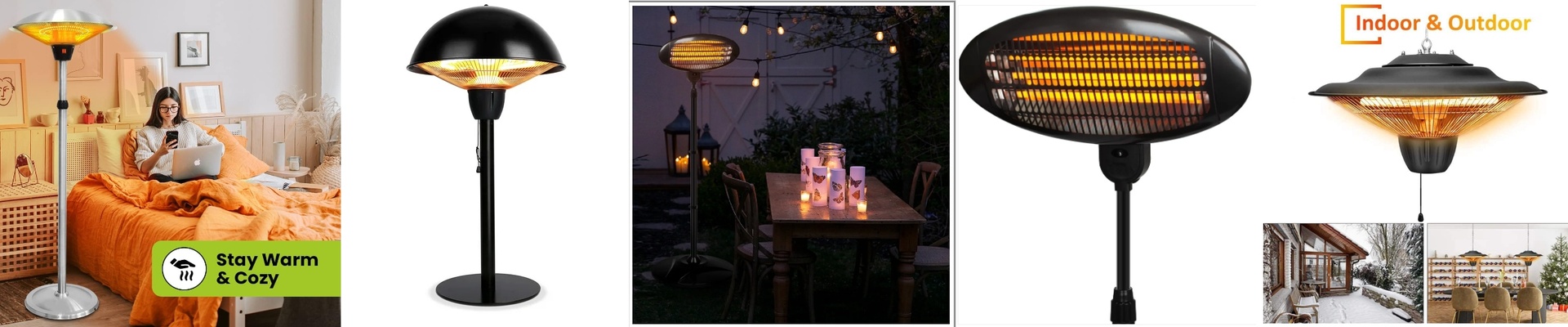
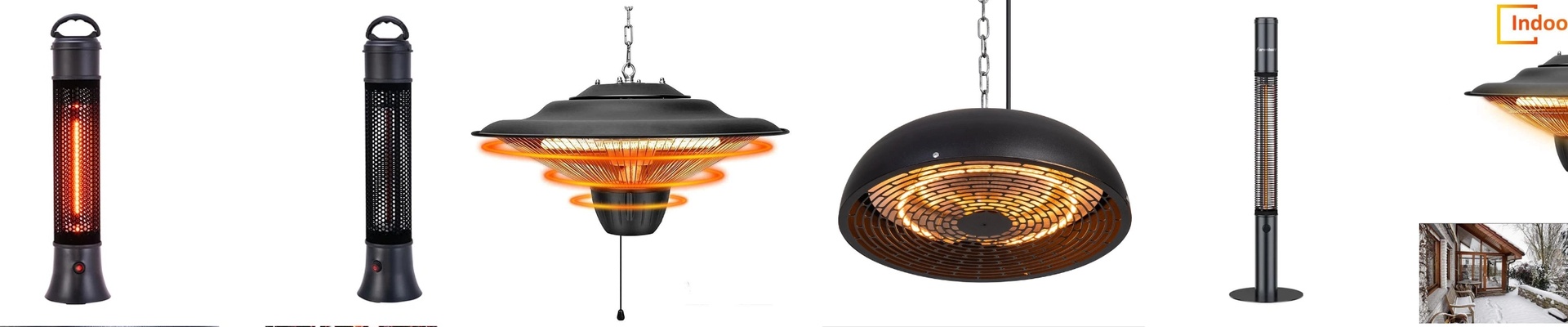
Infrared heating works by radiating warmth straight to people and surfaces, not by heating air that immediately leaks away. In our commercial units, the core is a carbon fiber element—chosen for quick response and even heat spread. You get immediate warmth where it’s needed, no fan noise, and hardly any air movement. We build for actual buildings: 240V operation, solid mounting options, and a sealed housing that stands up to outdoor use. An adjustable thermostat holds the space at the set point, and the standard safety protections—tip-over cutoff and overheat shutdown—keep things predictable in high-traffic spots.
Why this approach fits commercial real estate
For commercial properties, infrared supports sustainability and asset performance without asking tenants to compromise. Because radiant heat warms objects and occupants directly, you can keep the ambient temperature lower while maintaining comfort, which can cut overall energy use. That efficiency shows up as lower operating costs and a tighter carbon footprint—both of which feed directly into ESG reporting. Tenants feel the difference, too. Turn the unit on and heat is there—no long warm-up. Lobbies, covered walkways, and transition zones feel welcoming right away. Less draft means fewer complaints, and the localized warmth helps people stay comfortable even when the building’s overall temperature is set responsibly.
The practical details that make it work
Infrared performs best in open or semi-open layouts where the line of sight to the heater is clear. Plan placement height and coverage area so warmth is even, and keep in mind that radiant heat warms surfaces—objects in the beam can end up warmer than the surrounding air. A little upfront layout work prevents uneven hot spots. If you’re sourcing at scale, working with a reliable electric heater supplier in China helps you standardize performance, safety, and energy use across multiple properties. Clear specs, consistent build quality, and straightforward controls make it easier to roll out a heating upgrade that supports sustainability and strengthens long-term asset value.