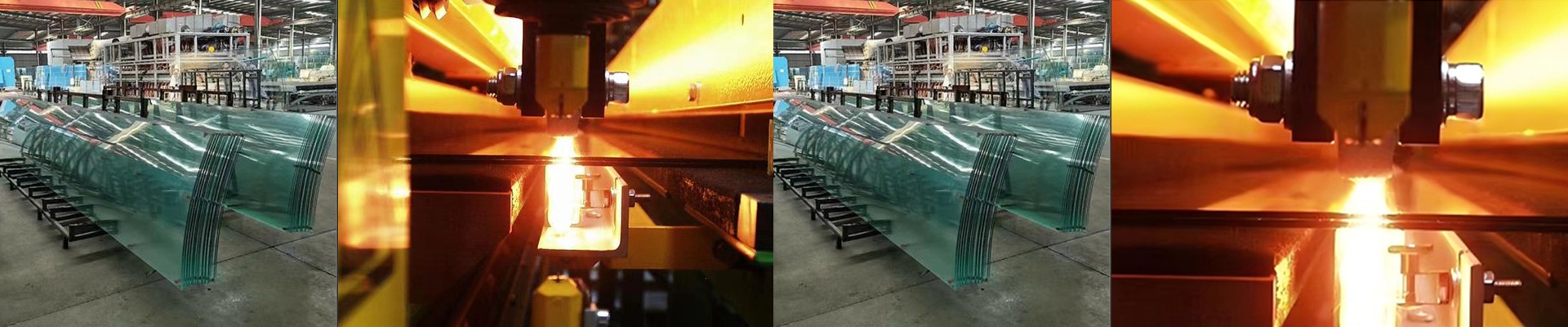
On the IGU line, the sealant gets one clean shot to cure—no do-overs. If the oven profile drifts, you end up with uneven adhesion, moisture ingress, and callbacks that chew straight through your margin. We built the controlled curing oven for insulating glass to take the guesswork out and keep the heat where it matters: on the edge seal, evenly, cycle after cycle. What matters under the hood This unit uses short-wave infrared (SWIR) quartz emitters to drive rapid, directional energy into the primary and secondary sealant. A multi-zone thermal controller holds the set profile across the width of the IGU, so you don’t fight thermal gradients that can add stress during stress relief. You get repeatable soak control within ±3°C, and ramp rates tuned to avoid thermal shock on coated or tempered lites. The heater array is modular, so you can swap sections without shutting down the whole oven. The emitters are rated for long life under continuous industrial duty. Why it sticks in real production Insulating glass sealing is chemistry and heat, and the timing has to be right. The oven hits the curing window fast, then holds it steady, so the sealant cross-links uniformly along the spacer. That translates into fewer rejects from bubbles, weak bonds, or uneven cure—and a line speed you can actually plan around. Energy use drops because SWIR heats the work directly, not the air, and the tight profile control keeps rejects and rework off the floor. A few shop-floor notes Installation is straightforward, but the oven needs proper line alignment and a clean power feed to keep the profile stable. Tempered and coated glasses have different emissivity, so the first run may need minor recipe tuning. Once set, it runs like a dependable process block—but it won’t fix poor spacer prep or contaminated glass. Match the heat to the process, and the seal holds.