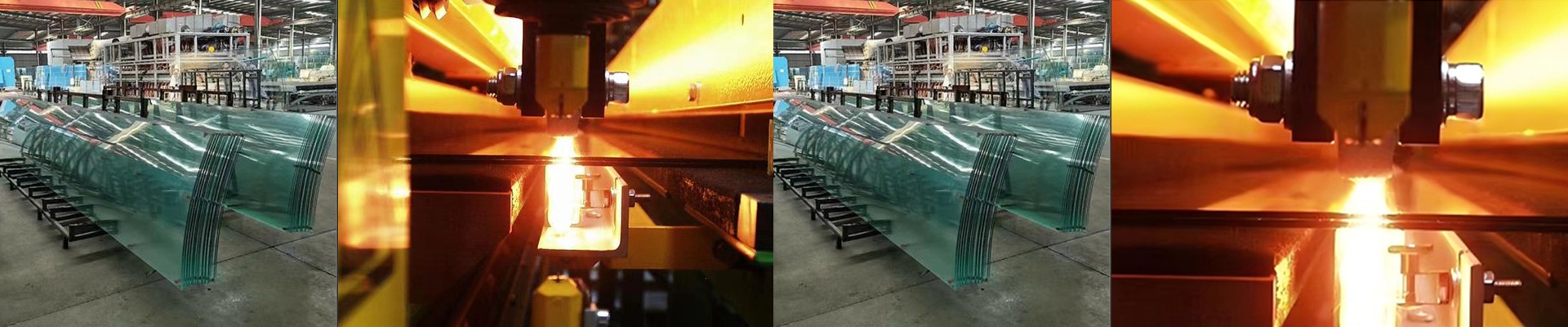
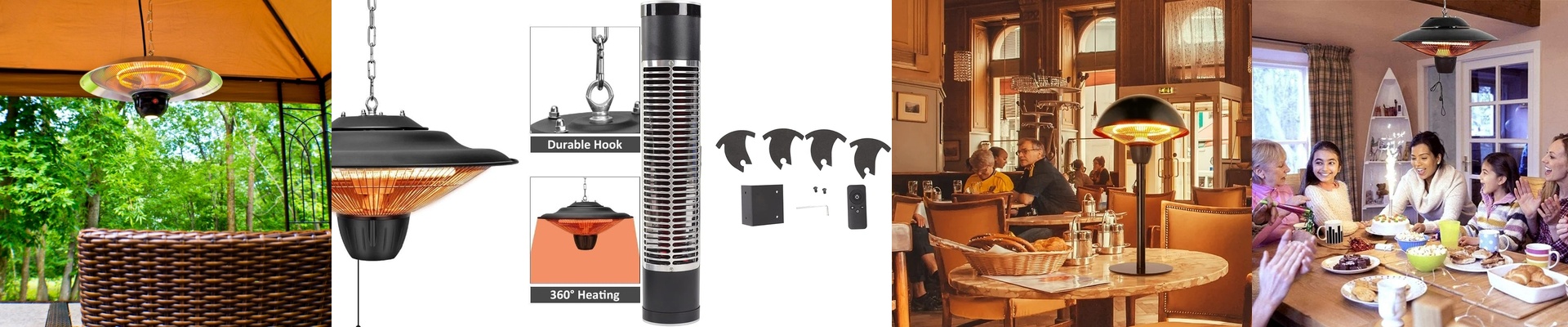
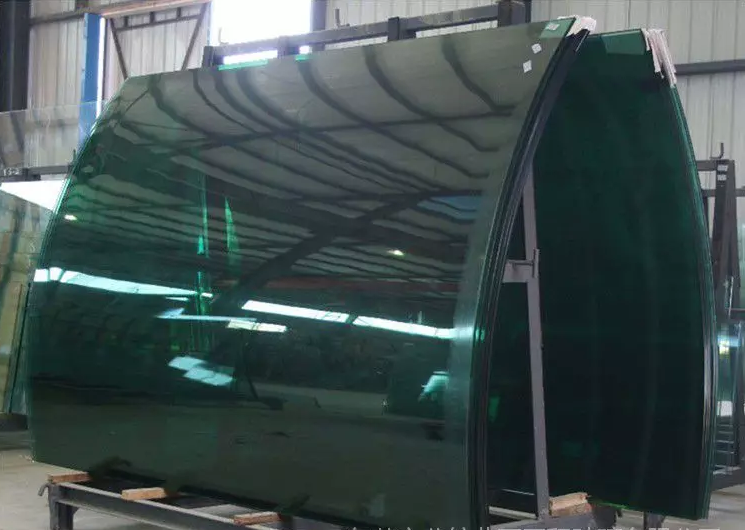
On the glass line, heat is never just heat—it’s dimensional control. When you’re tempering, bending, or drying EVA/SGP/PVB interlayers, a drift in hot-spot distribution shows up fast: optical distortion, roller wave, or adhesion voids. You’re chasing flatness you can count on and cycle times that repeat. The heating system has to keep up without hunting the setpoint. We build bulk infrared bulbs for glass around short-wave and medium-wave NIR sources, matched to glass emissivity so the energy goes into the surface without overdriving convection. Output stays stable across repeated heat-cool cycles, and the spectral profile stays tight so coatings and polymer layers dry from the top down—no need to soak the whole stack. You can specify power density, voltage, and mounting to fit standard oven zones, and the quartz envelope handles rapid temperature swings without cracking. In practice, that means less time tweaking profiles and more uptime on repeatable schedules. In tempering, uniform heating keeps thermal stress even, which cuts breakage during quench. In lamination, fast, surface-directed energy shortens dwell time while keeping bubbles out and bond strength in. On insulating glass lines, quick sealant activation gives you better edge control and tightens the cycle window. Bulk buying matters because you standardize the emitter across lines, trim spare inventory, and keep replacements consistent. Energy use drops since the heat is targeted—less wasted on fixtures and air—and throughput climbs because the system recovers quickly between loads. Here is the thing with infrared heating: it’s sensitive to geometry. Reflectors, lamp spacing, and glass distance have to be set for the target thickness and coating stack, or you’ll get uneven bands. Check socket compatibility and thermal clearance at the machine interface, then run a short qualification window to lock the profile in. Just plan for reality: lamp life shortens if you run at max power continuously. Set up maintenance windows, and keep a spare set on hand.