
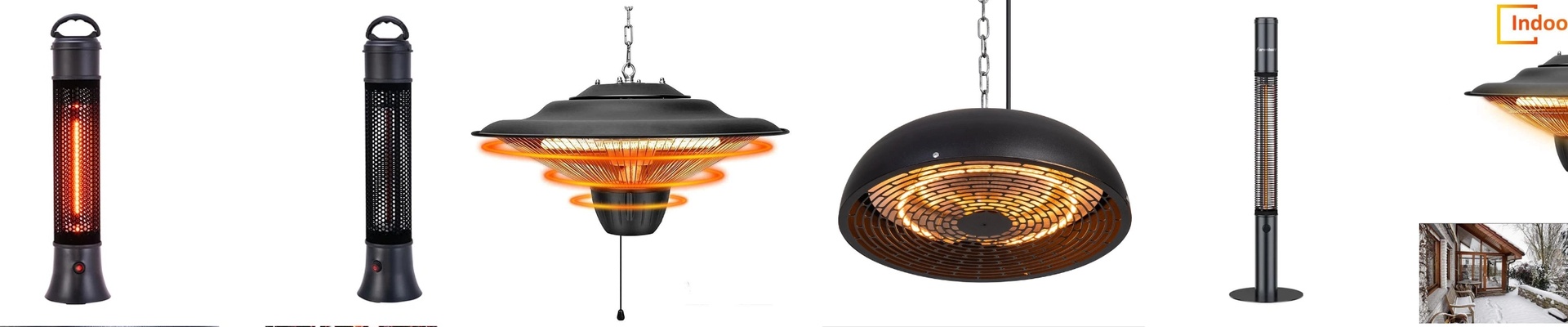
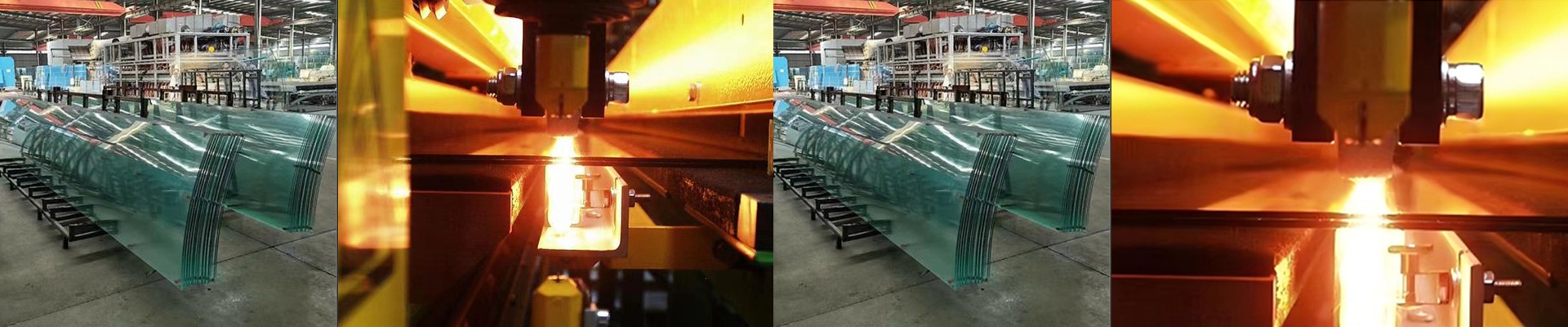

On the glass line, heat is money. When the furnace or bending oven starts to drift, you feel it fast—uneven temperature, bow that won’t hold, glass cracking under thermal stress. You need heat that hits hard, settles quickly, and stays on target shift after shift. What matters under the hood We build heating elements for industrial glass work, quartz-halogen or short-wave infrared, because they deliver high power density with rapid response. The emitters are set up for a tight, repeatable thermal field, so you get uniform heating across the glass instead of hot spots and cold edges. Specs are chosen for real duty: high-wattage output for fast ramp-up, stable resistance across temperature swings, and termination that survives repeated thermal cycling. The payoff is heat delivery you can count on, keeping the process in spec. Why it sticks on the floor In tempering, bending, lamination pre-press, and coating drying, cycle time and temperature stability drive yield. These elements come up fast, so you spend less time waiting and more time running. Tighter uniformity cuts thermal stress and optical defects, which means less scrap and rework. Energy use stays in line because the system heats on demand and holds setpoint without overshoot, trimming kWh in high-power zones. That shows up as lower electricity bills and a lower cost per square meter. Here’s what to watch High-power elements demand clean mounting, proper alignment, and cooling that’s thought through. If reflector geometry and airflow don’t match the oven design, you’ll bleed efficiency and shorten service life. Before a changeover, confirm voltage compatibility and connector fit. We match OEM footprints where possible, but some equipment will need minor bracket tweaks to hit the right focal distance and thermal coupling.