
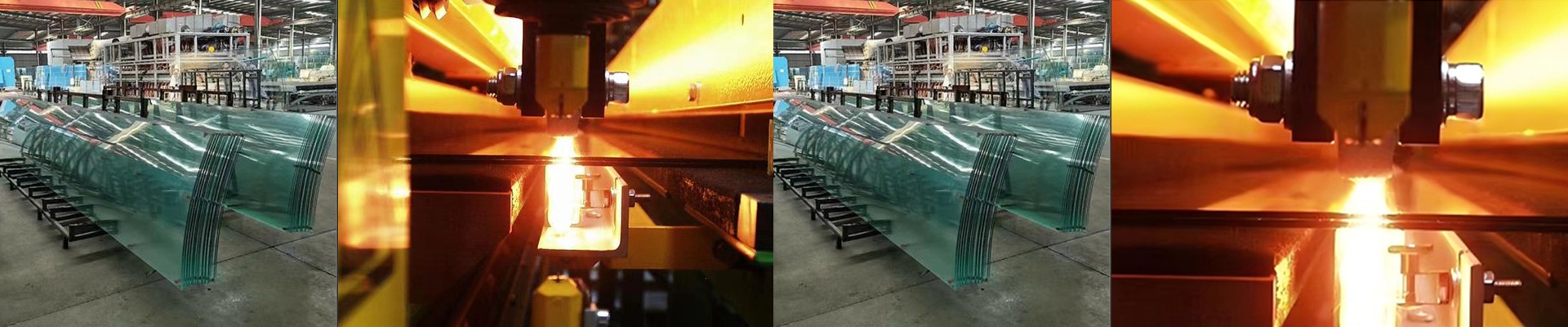

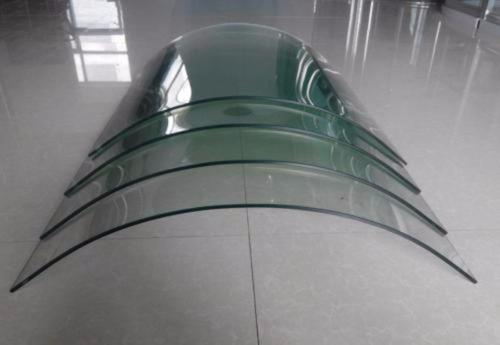
Out on the line, marver contact quality is locked in during the first few seconds. If the lamp doesn’t pull its weight, you end up with uneven temperature across the glass. That shows up later as optical distortion, roller wave, or thermal stress fractures after quench. When the furnace is loaded and the schedule is tight, there’s no room for guesswork. What we built, technically We set the marver heating lamp up with short-wave infrared (SWIR) quartz emitters, tuned for fast response and tight control right on the glass surface. The spectral output lines up with glass emissivity, so the energy goes where it needs to—into the surface—without cooking the surroundings. Power density runs 30–60 kW/m², configurable to match your line speed and glass thickness. The heat zone stays focused, so the marver surface holds target without blooming. The lamp body is compact, with standard mounting centers and terminals that drop into the fixtures you already run. We spec the quartz envelope for thermal shock resistance because these cycles are relentless. Why it holds up in real work On the bending line, the marver lamp gives you repeatable preheat. That cuts cold-contact defects and keeps the bend profile consistent piece after piece. In tempering, it stabilizes entry edge and corner temperatures, which reduces scrap from uneven quench and edge compression issues. The ramp-up is fast, so it keeps up with high-throughput schedules. And because the heat is localized, you’re not dumping wasted energy into the shop, driving up ambient and making your cooling loads work overtime. The same lamp can handle coating drying and lamination prep, driving off moisture and starting cure without overshoot—better adhesion, fewer blisters. What to watch for This one is sensitive to alignment and clearance. Keep the focal distance inside the specified window; if you drift, the temperature band widens and repeatability falls apart. It also needs a clean power profile—voltage dips and harmonics will shorten emitter life. Plan on a dedicated supply, and confirm the mounting interface before changeover. Once it’s set, it runs shift after shift with minimal fiddling.