
Why Shortwave Infrared is Non-Negotiable for Mirror-Finish Glass Decoration
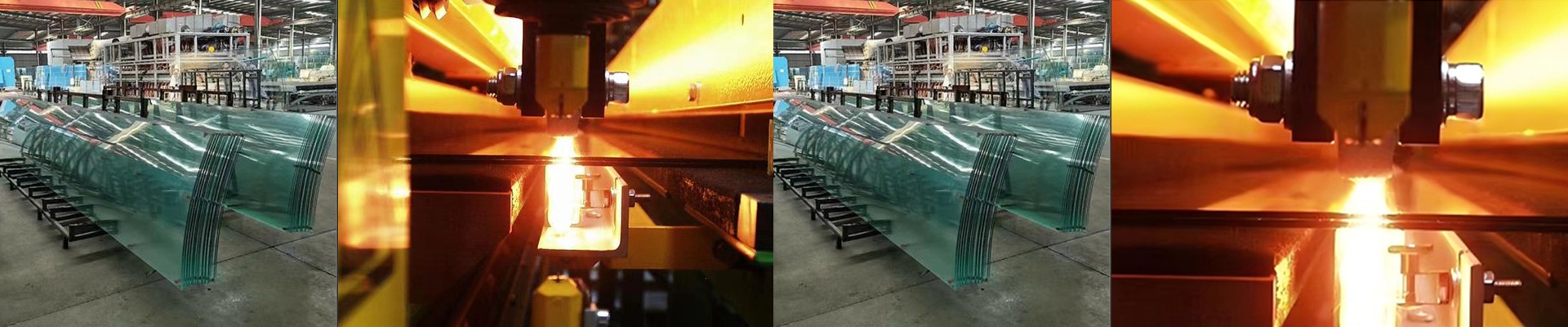
Let’s talk about getting that flawless, mirror-smooth finish on decorated glass. If you’re digital printing and need the glaze to bake on perfectly, there’s really only one way to do it: shortwave infrared heating lamps. Here’s why. You need heat that gets deep into the glaze fast, not just a warm-up on the surface. It’s all about that deep, rapid energy penetration to fuse the glaze properly.
Power, Voltage, and the Right Fit
The heart of the system is the shortwave infrared tube. You’re typically looking at a 400V, 2500W setup. That voltage is chosen because most industrial lines run on three-phase power, so the lamp can pull the current it needs without the voltage dipping. And that 2500W? It delivers the kind of heat density that melts the glaze deep down, in just seconds. Then there’s the tube length. A 300mm tube gives you a tight, focused heating zone that lines up perfectly with the width of most digital print patterns. The result? Heat goes exactly where it’s needed, with no wasted energy. Plus, it keeps the whole machine footprint nice and compact.
What’s Inside: Halogen, Quartz, and a Smart Design
These lamps use a halogen-filled quartz envelope. Quartz is tough enough to handle the shock of turning on and off at full speed. And the halogen cycle keeps the filament clean, which helps the lamp last longer. The real magic is in the shortwave spectrum, peaking around 1-3 microns. It cuts right through the glaze and heats the glass underneath. This prevents that frustrating “skin effect” that leads to bubbling or uneven finishes. And the R7s connector? That’s intentional. It’s a sturdy, two-pin ceramic base built for high heat and high current. It makes wiring the lamp quick and secure, and it drops right in as a replacement for existing industrial infrared fixtures.
What It Feels Like on the Line
On the shop floor, this setup means your line can move faster. The 2500W output dries the glaze almost instantly, so the glass can head straight to the next stage. You get even melting across the entire print, which is exactly what you need for that uniform, mirror-like shine. Now, there is one thing to keep in mind: thermal management. That concentrated 2500W puts out a lot of ambient heat. Your machine’s cooling system needs to be up to the task, or you risk overheating nearby electronics. But if you’ve got the cooling handled, you’re left with a process that’s reliable, repeatable, and delivers high-quality glass decoration every single time.