Getting the Heat Right: Why Power Density Actually Matters in Infrared Annealing
Most standard infrared heaters are kind of a blunt instrument. They just blast heat across a tube and hope for the best. But if you’re working in glass R&D, “hope” isn’t a strategy. When you’re messing around with new materials, a flat wattage doesn’t cut it. You need to know exactly where that energy is landing. That’s why we obsess over power density customization. It gives you the breathing room to actually play with your parameters without breaking things.
The reality of heat distribution
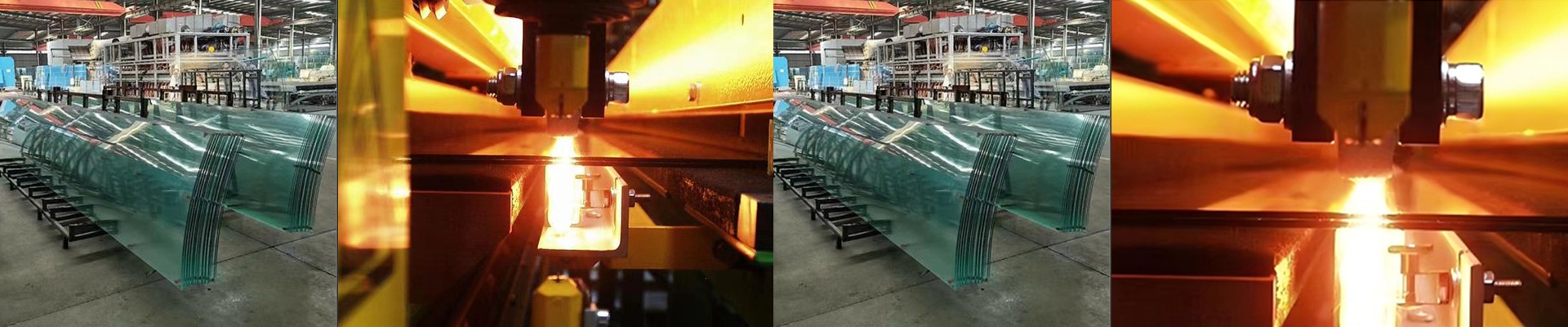
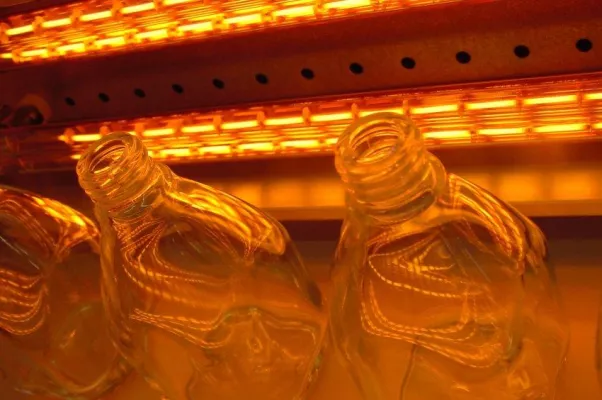
Here is the thing: most off-the-shelf systems treat the heating element like a uniform rod. But glass doesn’t work that way. Between the shape of the piece and how thick the material is, you end up with these annoying thermal gradients. We don’t just plug it in and walk away. We tailor the power density to your specific material. By tweaking how the filament is wound or shifting the voltage drop across different zones, we can create a heat map that actually makes sense. It means you stop overheating the edges while the core is still struggling to hit the annealing point.It just works.
Built for the “What If?” phase
R&D is all about trial and error. You shouldn’t have to rebuild your entire rig just because you decided to change one variable. We build these systems to handle sudden shifts in power. Want to crank the wattage to see where a new composite fails? Go for it. Need to dial it way back for a delicate thermal soak? Easy. Customizing the physical footprint is the easy part. The real magic happens in the thermal profiling. We map the irradiance so your glass doesn’t warp or develop those hidden internal stresses that ruin a project right at the finish line.
The trade-offs (Because nothing is free)
High power density is great for fast ramp-up times. It saves a ton of time. But there’s a catch. When you cram massive wattage into a tiny surface area, you’re putting an incredible amount of stress on your power supplies and the quartz envelope. If you go for an ultra-high density setup, you’ve got to be smart about your cooling. Your manifolds need to be sized right, or the housing is basically going to cook itself. We’ll give you all the raw power you can handle, but you’ll need to keep an eye on that ambient heat load.