Stop Fighting Your Hardware: Making Marine Glass Heaters Actually Fit
When you’re tempering marine glass, the heat has to be spot on. If it’s off, the structural integrity is gone. But here’s the real headache: when it’s time to upgrade your heaters, the heating element usually isn’t the problem. It’s the connection. Nothing kills a workday faster than realizing a new part doesn’t actually fit the machine it’s supposed to go into.
The “Wrong Fit” Nightmare
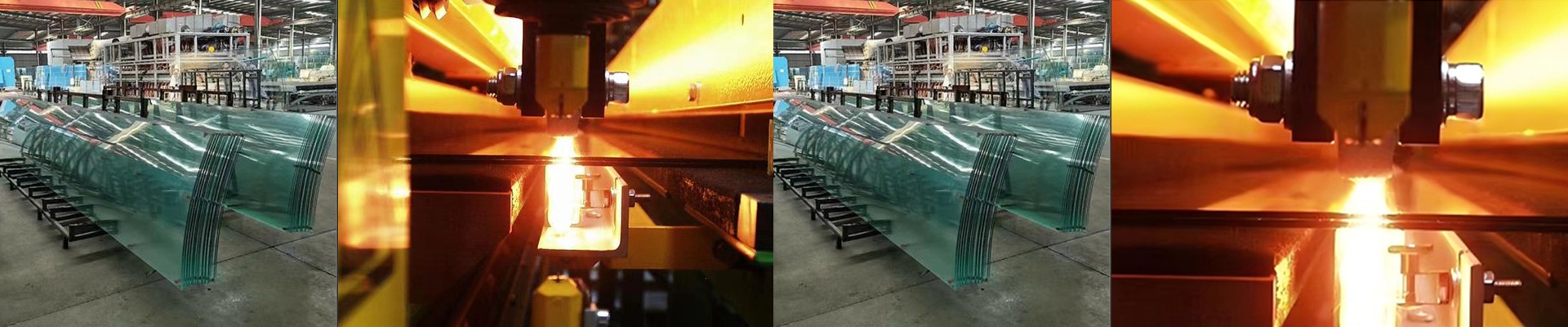
Most tempering lines are a mess of spiral heads and weird, non-standard connectors. If a replacement heater doesn’t match your exact footprint, you’re stuck. Suddenly, you’re spending your afternoon welding new brackets or ripping apart the control cabinet just to get a wire to reach. We think that’s a waste of time. That’s why we build our heaters as drop-in replacements. Whether you’ve got a specific spiral lead or some proprietary, odd-shaped terminal that looks like it was designed in a fever dream, we build the interface to match what you already have.
Getting it in the Machine
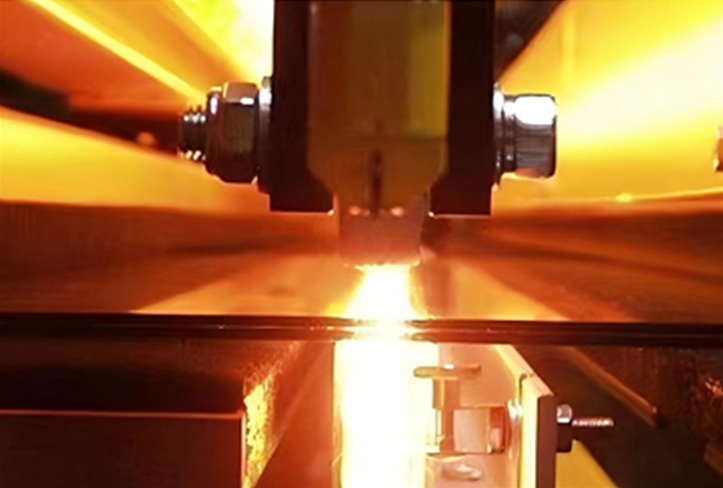
“Full compatibility” isn’t just a phrase. It means the heater slides into the housing without you having to force it or “make it work.” We obsess over the contact points. Why? Because a loose connection is a disaster waiting to happen. It creates hotspots and arc flashes that chew through your terminals. By getting the geometry exactly right, you save time on the install and—more importantly—you don’t risk putting mechanical stress on the quartz tube.
A Quick Reality Check
Now, a physical fit is great, but physics still applies. If you decide to jump to a higher wattage to speed up your cycle times, don’t forget about your power supply. Your wiring gauge and breakers need to be able to handle that extra current. We make sure the heater fits the hole, but you’ve got to make sure your electrical panel can handle the juice. The goal here is a fast swap. You pull the old unit, slide ours in, wire it up, and get back to work. No drilling. No custom fabrication. Just a part that fits so you can keep the line moving.