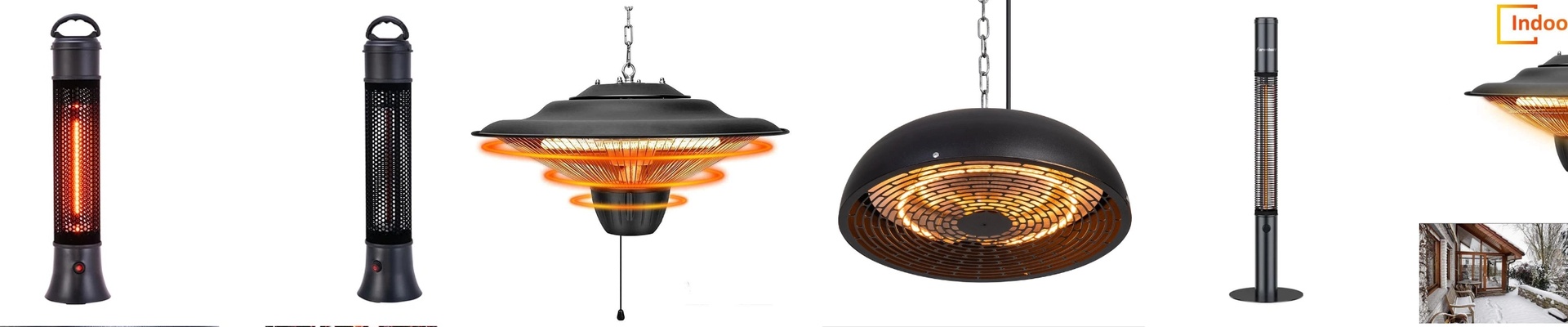



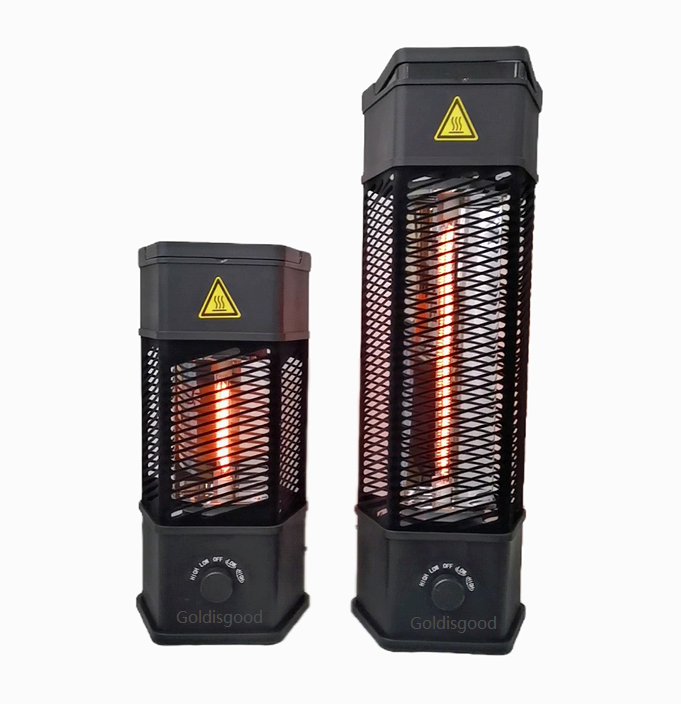
Putting a 1500W infrared heater in a bathroom or a gazebo isn’t as simple as just picking a powerful unit. You’ve got steam, rain, and condensation to deal with. In those kinds of spots, electricity and moisture don’t get along, and that’s where things get risky. To keep everything safe, we focus on three main things. First, we have to stop the moisture from getting where it shouldn’t. Most heaters fail in damp air because steam creates a bridge between the live wires and the metal frame. Not great. We fix this by using high-temp silicone gaskets and epoxy potting at the connections. It basically shrink-wraps the wiring away from the steam. You’ll want an IP44 rating at the very least. Without a tight seal, your RCD is going to trip the second the room gets steamy. Then there’s the heat. 1500W is a lot of power. To keep the ceiling from getting scorched, we use quartz glass tubes with a special coating that pushes the heat down toward you, not up into the mount. But the real safety net is the grounding. We use heavy-gauge copper to make sure the chassis is bonded tight. If something goes wrong inside the unit, we want that current dumping straight into the ground—not through you. Here is the trade-off, though: more power in a small box means it runs hot. 1500W gets you warm fast, but it beats up the insulation over time. **Do not skip the thermal fuse.**Seriously. If the airflow gets blocked or the unit overheats, that fuse needs to pop before the insulation starts to melt. And please, use cables rated for at least 125°C. If you use cheap wiring that can’t handle the heat, the plastic gets brittle and you end up with arc faults. Just a heads-up: check your circuit load before you decide to plug in a few of these at once.