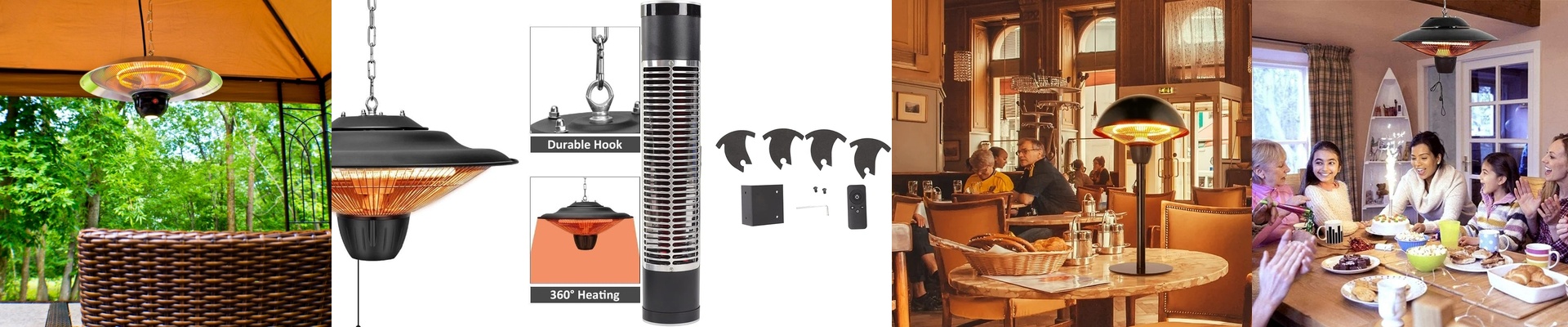
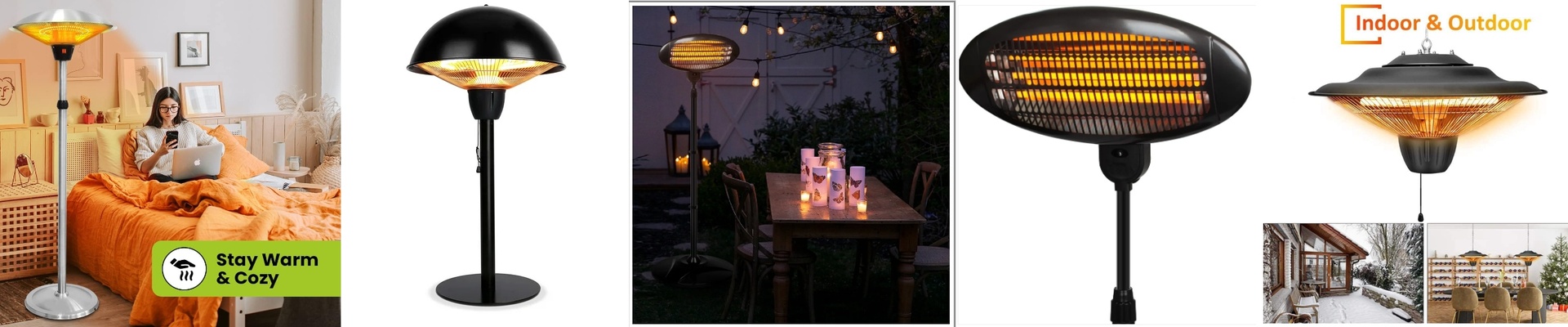
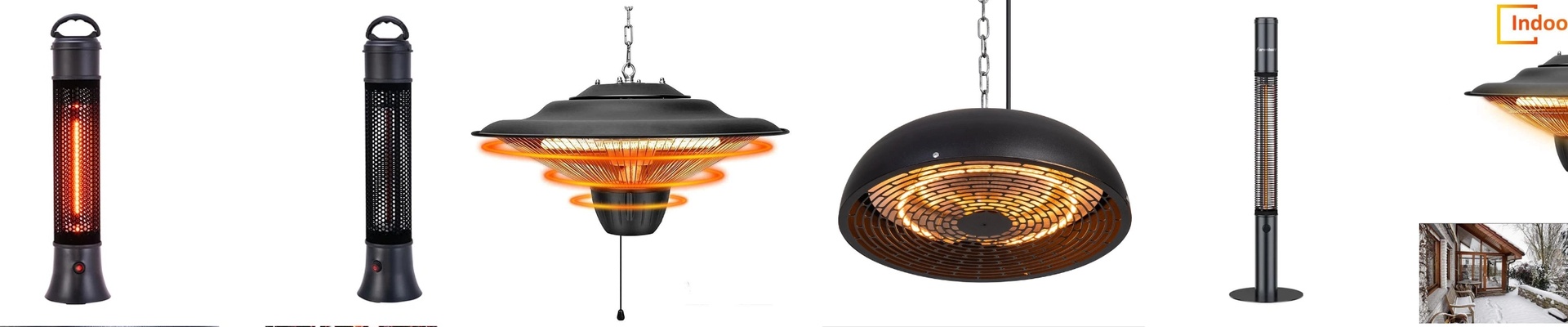

Keeping Your Infrared Heaters Safe in Wet Zones
Putting infrared lamps in a bathroom or a damp factory floor is a bit of a gamble if you aren’t careful. Water vapor and splashes don’t play nice with electricity. If you use a standard heater in these spots, you’re basically asking for a short circuit or, worse, a dangerous leak. That’s why you really need an IP55-rated enclosure. It’s the only way to make sure your system doesn’t just burn out or become a safety nightmare.
What IP55 actually does for you
Think of IP55 as a shield. It keeps dust out and stops water jets from sneaking in, no matter which angle they hit from. We make this happen by sealing the lamp housing with gaskets that can handle high heat and making sure every single spot where a wire enters the box is airtight. Here’s the thing: in a bathroom, steam finds every single tiny gap. If that moisture touches the live terminals of a quartz or halogen lamp, you’ll see an arc immediately. To stop that, we use sealed conduits and special potting compounds to keep the electricity far away from the outer chassis.
Getting the insulation right
To stop those annoying leakage currents, it all comes down to the materials. We stick with ceramic insulators and polymers that won’t get brittle or degrade when they heat up and cool down over and over. We also swap out standard wires for silicone or fiberglass braided cables. Why? Because regular insulation cracks under heat. And please,**make sure the unit is grounded.**A properly grounded heater just sends any stray current straight into the earth. It keeps the outer casing from becoming “live,” which is the last thing you want when you’re touching a heater with damp hands.
The trade-off you need to know about
There is a catch. When you seal a heater this tightly to keep water out, you’re also trapping the heat inside. Since the air can’t move as freely, the internal temperature spikes much faster. This means you have to be really smart about your thermal cut-off switches. If the box is too small, the lamp will overheat and die way sooner than it should. It’s a balancing act. You want a seal that’s tight enough to keep you safe, but enough breathing room so the unit doesn’t cook itself.