

Introduction
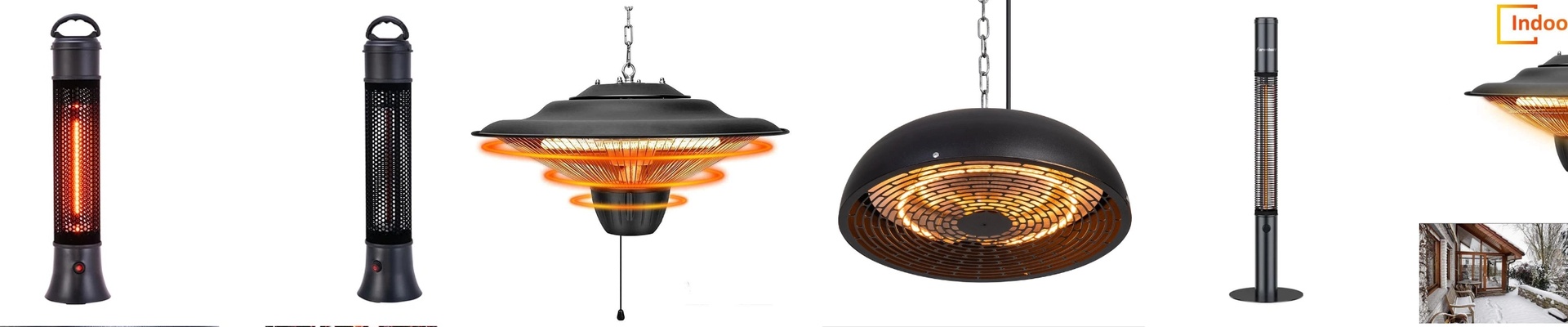
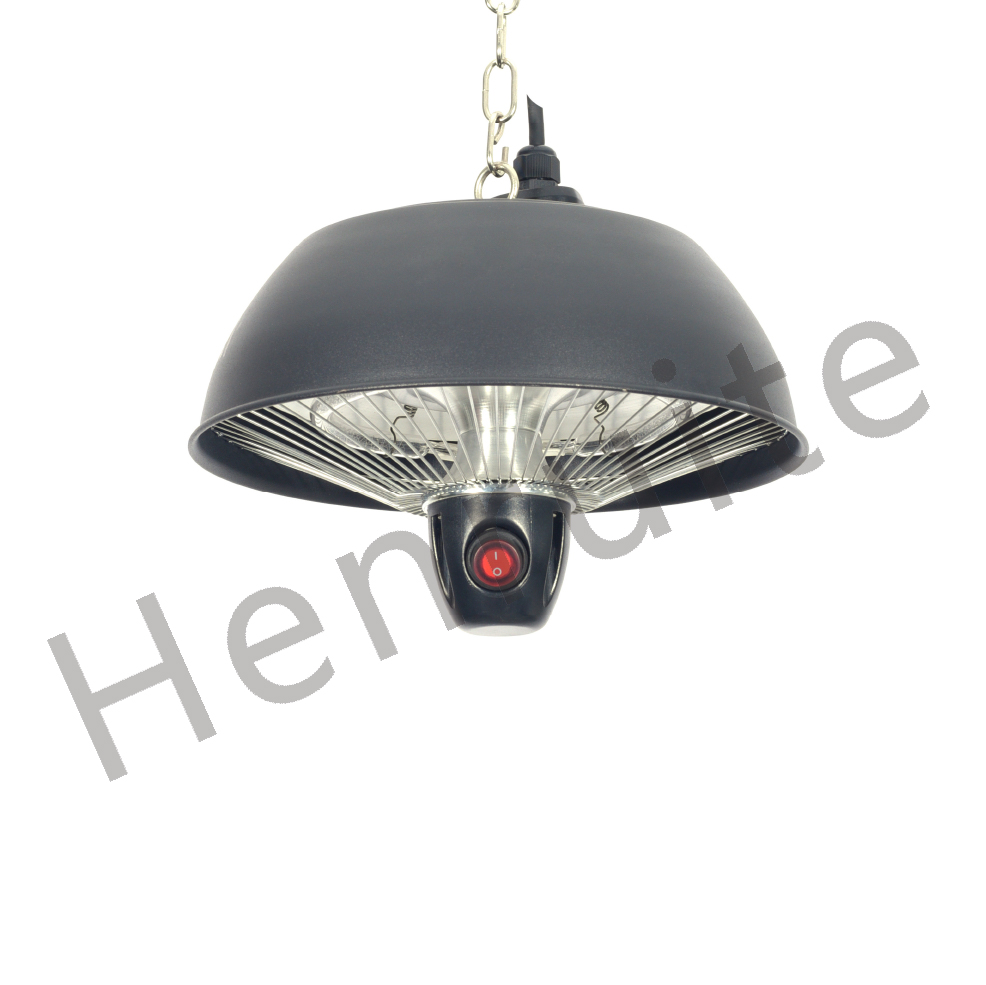
We built our best-selling infrared heater to be tough. Seriously tough. The kind of tough that doesn’t flinch at a splash of water or a blast of humidity—the very things that kill a standard lamp. It was designed for one thing: keeping your operations running smoothly, without the headache of unexpected burnouts.
The Nitty-Gritty: Power, Voltage, and Size
Here’s the thing—we set this heater up to run on standard industrial voltages. That means you can plug it right in. No need for extra transformers or a complicated setup. We also tuned the power for a rapid heat-up. It gets hot fast, which helps shorten those cycle times on your equipment. And the size? It’s compact, made to squeeze into tight spots, but still spreads heat evenly across the whole target area. This isn’t some delicate piece of equipment. It’s rated IPX4 for splash resistance, so it can handle a little water without breaking a sweat. That protection means fewer unexpected shutdowns—the kind that always seem to happen at the worst possible moment.
What’s Inside: Halogen, Quartz, and a Solid Connection
Inside, you’ve got a halogen-filled quartz envelope. The halogen gas does the heavy lifting, keeping the filament stable so the light doesn’t fade over time. And because it’s quartz, it handles the shock of turning on and off quickly without cracking. We paired it with an R7s connector. It gives you a solid, secure lock that resists vibration and prevents arcing. The terminals are sealed right into the IPX4 design, so moisture can’t sneak into the electrical joints. The result? A heater that can take a beating and still fire up every single time.
Where It Shines (And What to Keep in Mind)
This is the heater you want when your world is full of moisture, steam, or regular washdowns. Think food processing lines, humid assembly areas, packaging lines. It’s a straight swap for standard halogen infrared units, so you get the upgrade in protection without rewiring the whole fixture. Just be smart about it. High heat density means you need to plan for proper airflow and mounting clearance. Get that right, and you’ve got a heater that stays in the game longer, with way fewer surprise replacements.