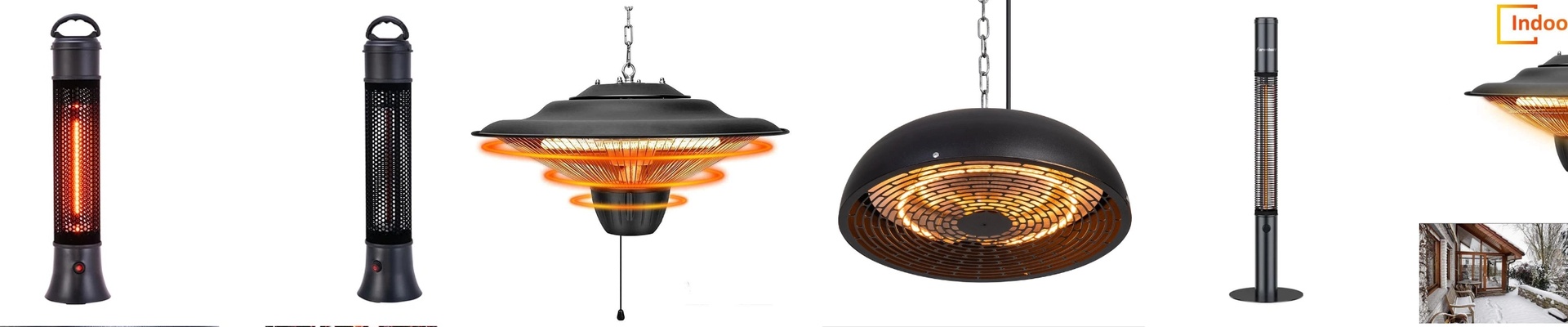
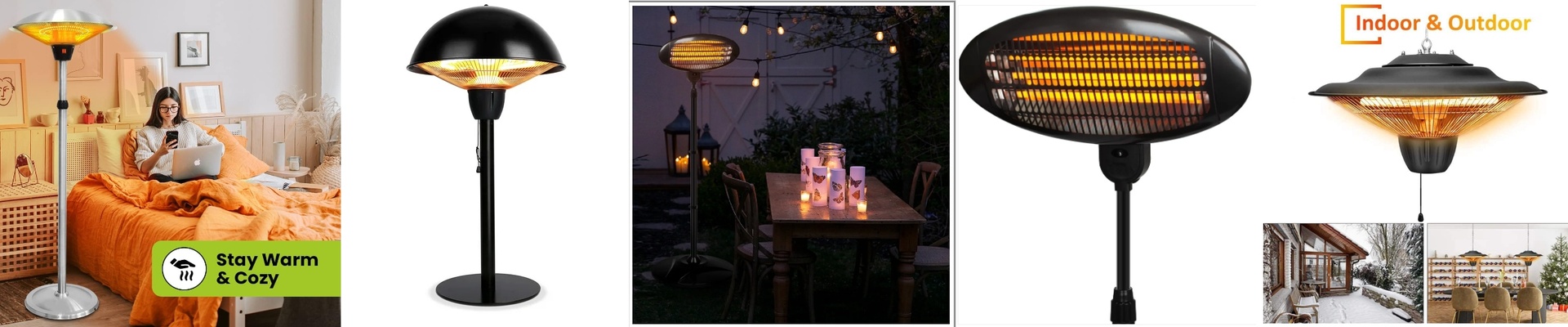
The cold hits hard and fast. You step into your outdoor room, garage, or sunroom expecting comfort, and instead get that familiar chill that makes you wait—hands numb, patience gone—while a conventional heater slowly warms the air. With a low-wattage infrared heater, that wait is gone. The warmth is there the second you flip the switch.
What matters under the hood
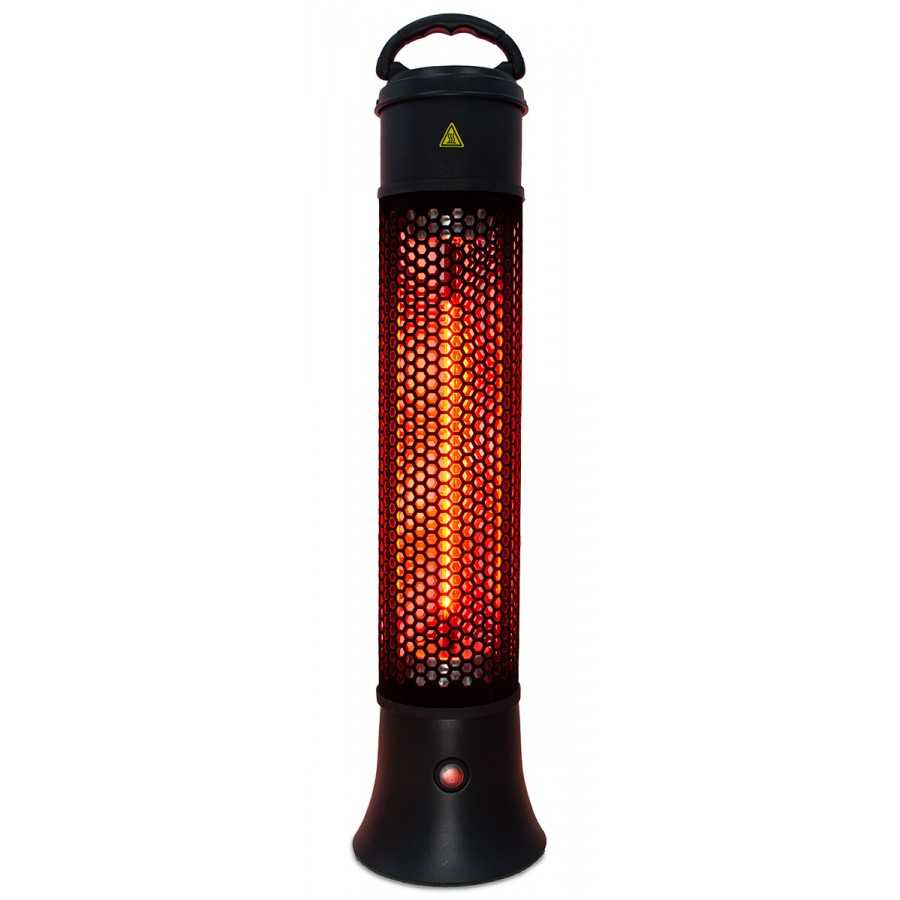
Infrared warmth is radiant, not convective, so it heats people and surfaces directly instead of the air. We use a carbon fiber element and a high-transmission quartz tube to lay down broad, even coverage without burning through power. That translates to a fast thermal response—seconds, not minutes—so you feel the heat almost immediately. Output is adjustable, so you can dial in comfort without overheating the space. For safety, the unit has tip-over protection and a protective outer grille, and it runs quietly. An integrated thermostat keeps the temperature steady, so you’re not constantly tweaking the setting.
Why this shines when the weather turns
When a cold front rolls in, the pain is the delay. Heaters that need a long preheat window leave you stuck. Our infrared unit hits its balance point in seconds, giving you immediate relief on the patio, in the garage, or right at the workbench. Because it puts warmth where you need it, energy use stays sensible—ideal for smaller spaces or supplemental heating. You get steady, comforting heat that lets you linger outdoors a little longer, supports better circulation on chilly mornings, and keeps the focus on enjoying the moment instead of waiting for the room to warm up.
The practical stuff you’ll want to get right
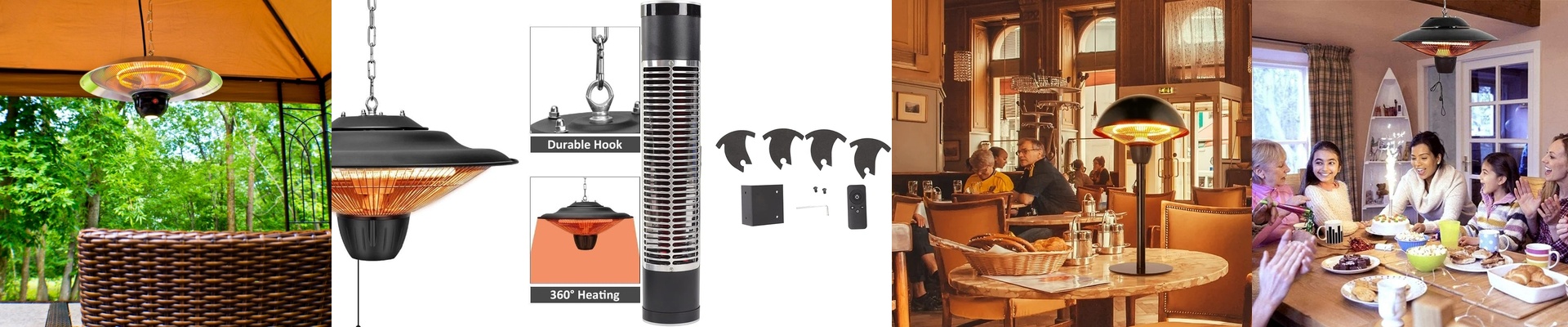
Infrared heat works best in line-of-sight, so position the heater to cover your seating or work area directly. For outdoor use, pick a spot sheltered from wind, and check the unit’s IP rating to make sure it’s rated for your environment. The low-wattage design keeps energy draw down, but the radiant pattern means you’ll feel warmth more intensely close to the unit and less off to the sides. Plan placement to match your layout, and always follow the clearance and mounting instructions.