
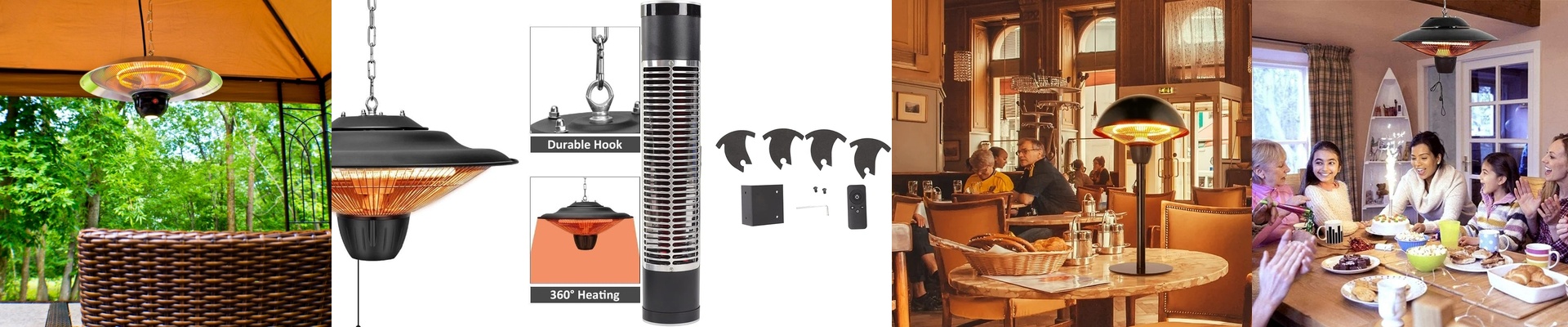
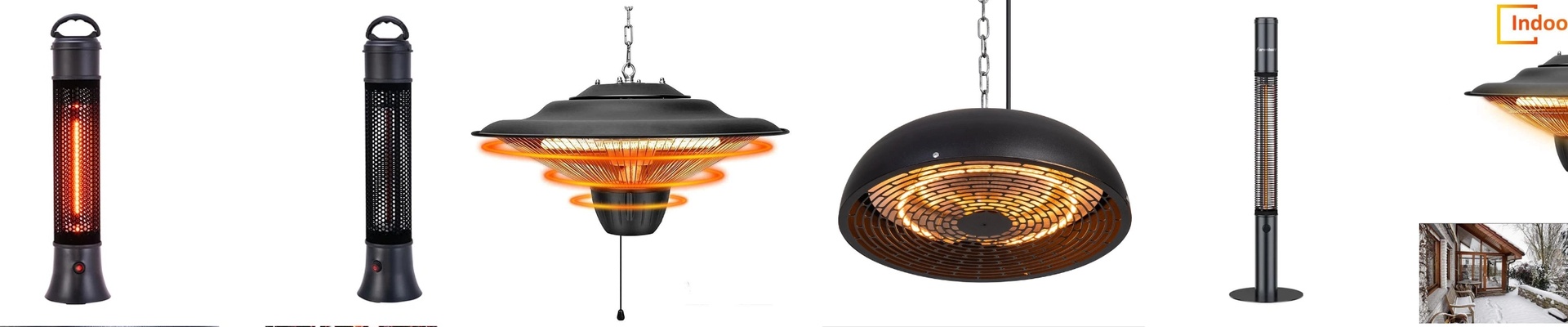
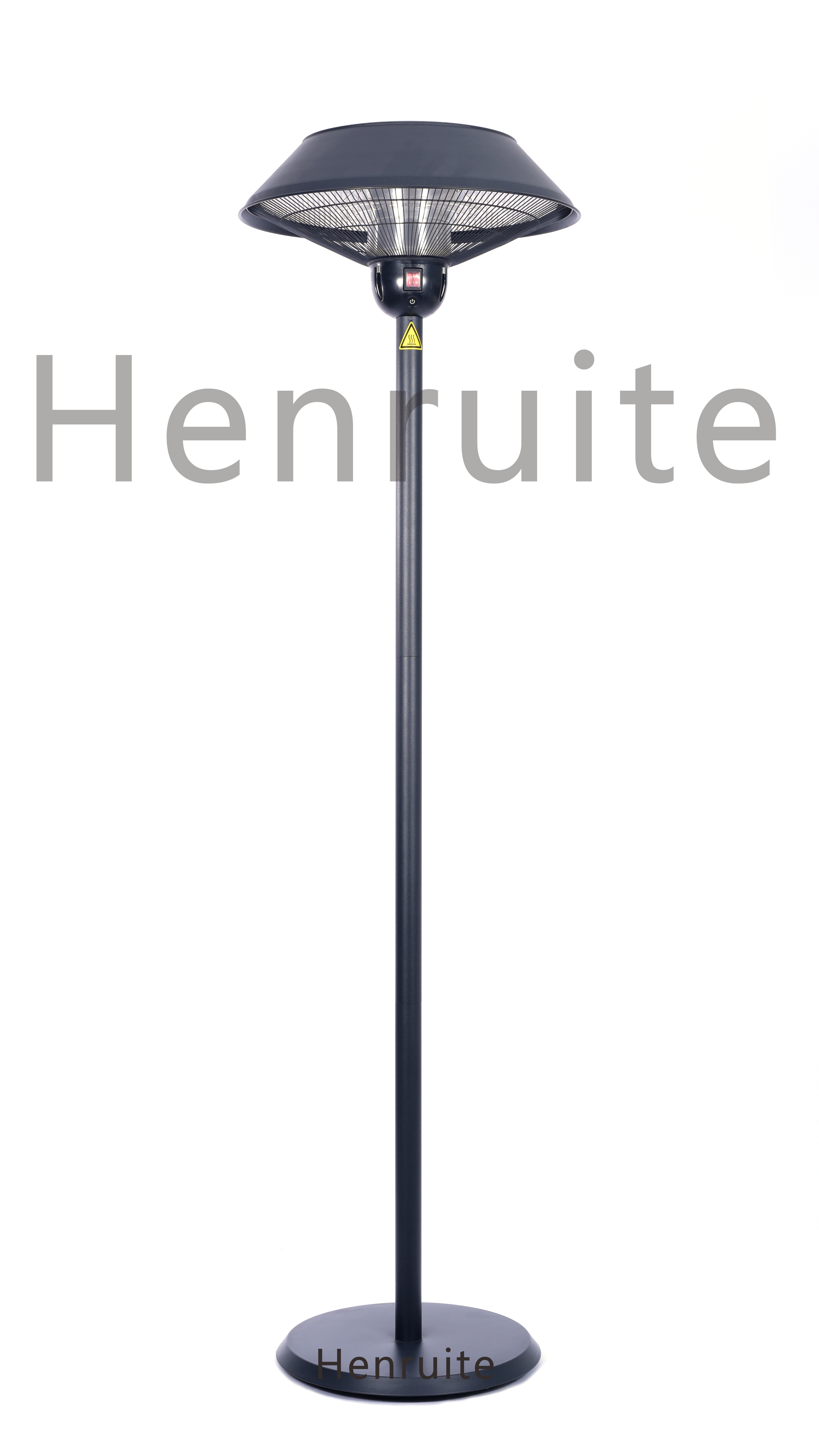
Walk into a modern bathroom remodel and you’ll spot the change immediately. The old bulb-style heaters are disappearing, replaced by a slim, sealed profile that looks clean and stays reliably dry. In a room where steam, splashes, and rapid temperature swings are part of the daily routine, the real question is: how do you keep comfort steady without putting the surrounding structure at risk? That’s where a high waterproof-grade infrared electric heater earns its keep. What matters under the hood We build these around short-wave infrared, using a quartz tube and a reflector that sends warmth where you need it—downward and outward, not up into the air. You get radiant heat you feel in seconds, not minutes. The spec you can’t ignore is the IP rating. For bathrooms, we call out IP54 as the baseline, and IP65 for wet zones and high-pressure spray. That keeps dust out and stops water jets from getting into the housing. Inside, a thermal cutoff and tip-over protection add a practical safety layer, while a 1500W output covers typical 8–12 m² bathrooms on a 120V circuit. Why this approach fits bathrooms The old “light-bulb” heaters warm the air, and that air rises—so the floor and towels stay cool while the ceiling gets hot. Infrared shifts the geometry. It warms people, tiles, and towels directly, so the room feels even and cozy faster. That matters in the shower, where you want warmth on your shoulders the moment you step out. It also means you’re not spending energy reheating air every time the door opens. Fewer hot spots and cold corners make the bathroom feel calmer, drier, and more comfortable—and the materials tend to last longer. What to keep in mind on install Because these are radiant, placement is everything. Mount overhead or on a wall where the beam hits the shower entry and vanity, and keep the heater at least 0.6 m from water sources. They need a dedicated circuit and a GFCI outlet for safety, and the wiring should be handled by a qualified electrician. One trade-off: infrared warms surfaces and people quickly, but air temperature rises more slowly than with convection. In very large bathrooms, pairing the unit with a small ceiling fan helps distribute warmth evenly.