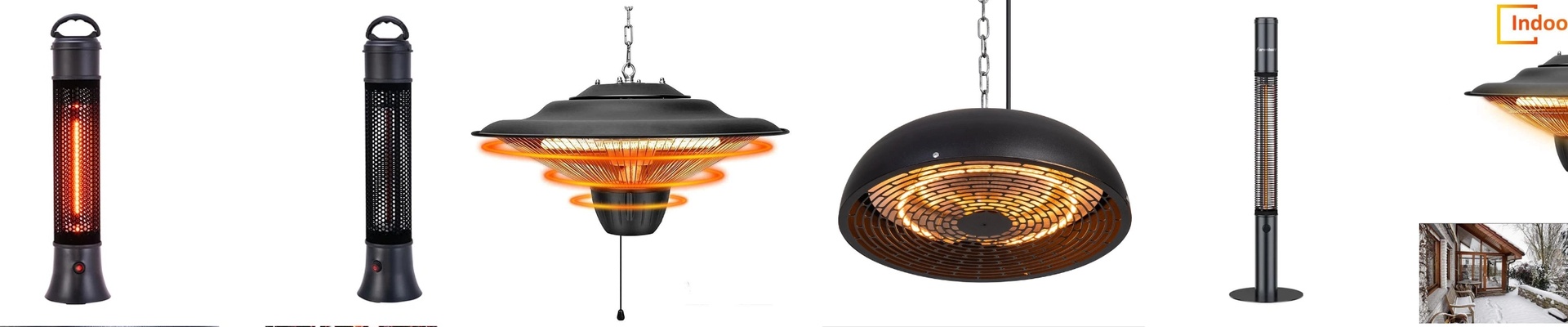

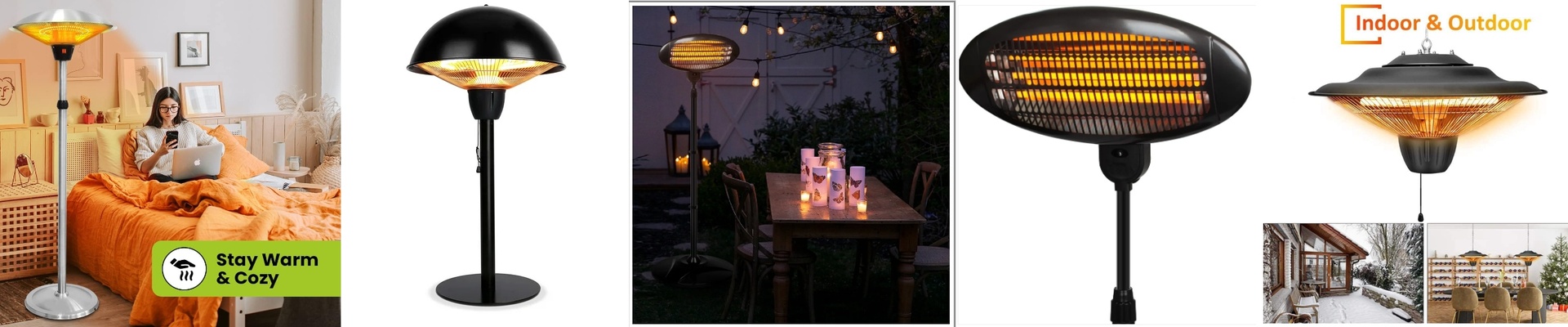
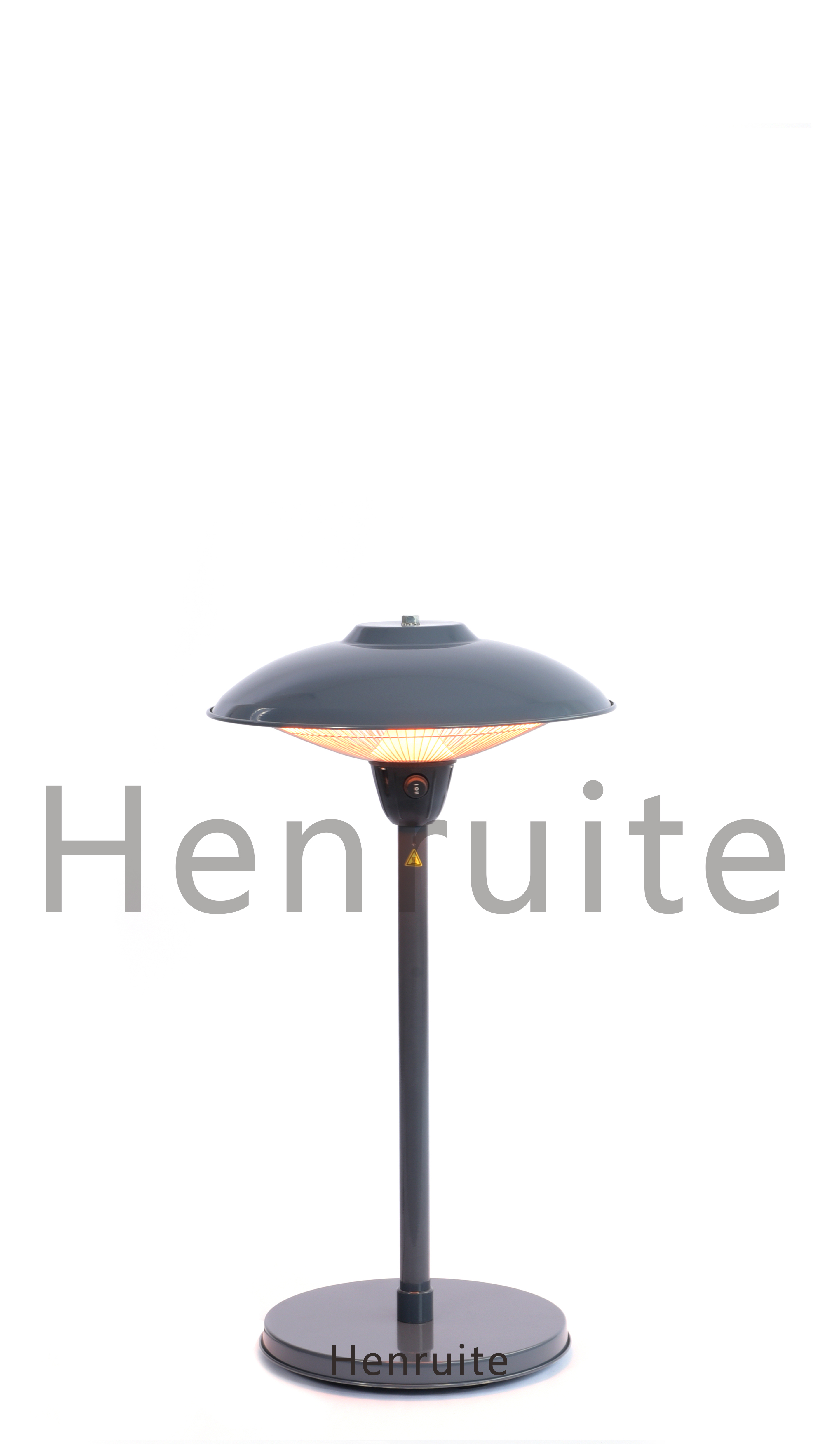
Winter training does a number on your muscles—tightness sets in, and recovery drags out. A regular heater just pushes warm air around. What your body actually needs is heat that gets down into the strained tissue, where the knots hide. Infrared radiant warmth delivers that energy straight to the spot, working below the surface to loosen fibers and get blood moving. For athletes, that translates to less stiffness after hard sessions and a calmer, smoother comeback from minor strains.
What matters, technically
Infrared heaters for recovery rely on radiant heat, not convection. Think of it like stepping into sunlight—you feel the warmth the instant it hits you. We run a carbon fiber element that heats up fast and puts out long-wave infrared, the kind that muscle and connective tissue absorb well. The output is steady and even, with a comfortable intensity that doesn’t feel harsh. Because it’s direct radiant warmth, you can place the unit close without blasting your skin with a gale of air. Some models add a quiet fan to gently spread things out, but the core heat comes from the element itself—so you get deep warmth with minimal noise. Adjustable thermostats keep the output consistent, so you can hold a therapeutic temperature without guesswork.
Why it works in practice
Heat helps muscles relax by improving local circulation and calming the nervous system’s guarding response. Infrared penetrates more effectively than warm air, which is why tight shoulders, calves, and lower back tissues tend to release under it. After a cold workout, that means quicker relief and an easier return to full range of motion. For minor soft-tissue recovery, consistent warmth supports the body’s natural repair cycle—soreness eases, tissues stay pliable. Set the heater near a treatment table, a recovery chair, or beside your bed, and the quiet operation keeps the space calm. No loud fans cutting through focus or disrupting sleep.
The details you’ll actually use
Infrared does its best work when the heater is aimed straight at the target area, not trying to cover the whole room. Clear line-of-sight matters. Keep the unit at a safe distance—typically 3 to 6 feet—and never cover it or park it near anything flammable. Most indoor infrared heaters run on standard household power, but they pull substantial current, so they should be on a dedicated outlet. If you’re using one in a bathroom or damp area, confirm the IP rating and follow the manufacturer’s guidance. One practical trade-off: radiant heat warms you directly, but it won’t heat the entire room as quickly as an air heater. For targeted recovery, that direct warmth is exactly what you want.