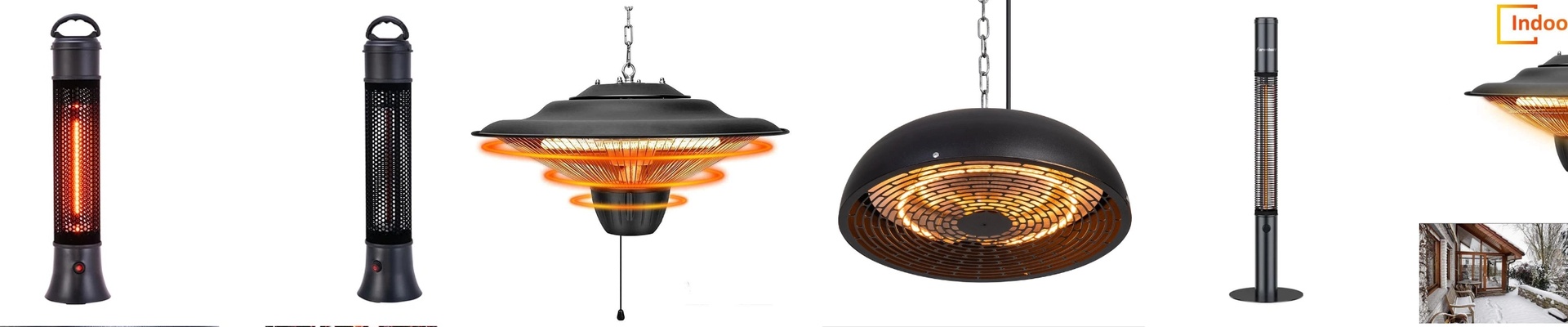

In a hot yoga studio, you can feel it the second the infrared heaters kick on. The room doesn’t just get warmer—the heat lands with a steady, penetrating quality that works into muscles and joints, making it easier to sink into poses and settle the breath. When the heat dips, everything tightens up. Sweat slows. The flow falls apart. That’s why picking the right electric heater isn’t optional—it’s part of making the room do its job.
What matters, under the hood
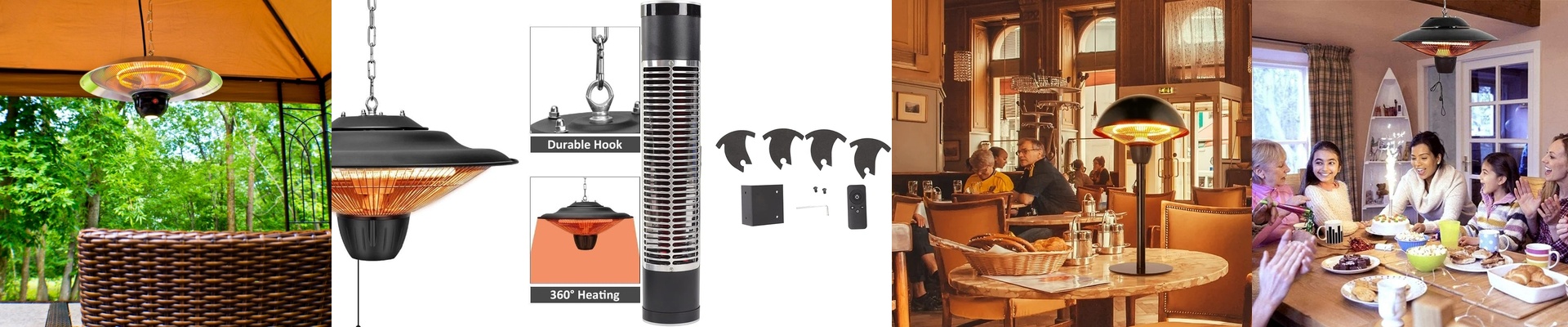
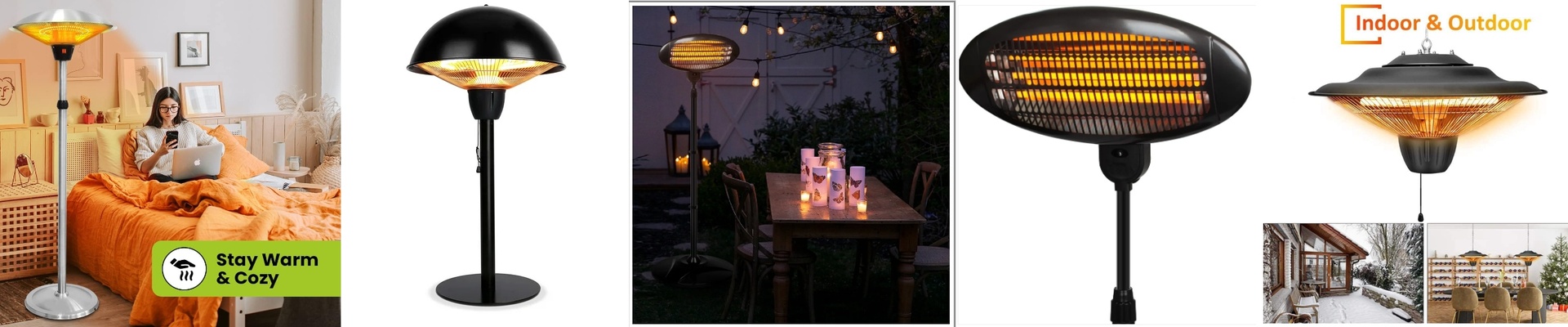
We build these wholesale electric heaters around short-wave infrared, so you get radiant warmth that delivers heat efficiently without moving air around. The heart of the unit is a carbon fiber element inside a quartz tube. It comes up to temperature fast and spreads the heat evenly, without that harsh “blast” you get from forced air. Typical units run on 220–240V, with power options around 2kW, and come with standard power cords and plugs so integration is straightforward. A built-in thermostat keeps the temperature consistent, and tip-over protection shuts the heater off if it gets accidentally knocked out of place.
Why this approach fits hot yoga
In hot yoga and deep relaxation, the point is controllable warmth that supports circulation, muscle release, and detoxification—without feeling abrasive or drying out the room. Infrared radiant heat warms people and surfaces first, so the air can feel comfortable even when the ambient temperature is on the lower side. That translates to fewer on/off cycles, more stable sessions, and lower operating costs. Studios also appreciate the quiet. No fan noise means no interruption to breathing cues or meditation.
The practical details that make it work
Placement is where a lot of setups win or lose. Mount infrared heaters roughly 2–3 meters high and angle them to cover the practice area evenly, keeping them out of direct line-of-sight to the eyes. Keep clearances clear around the unit, and make sure the circuit can handle the load—dedicated wiring is often the cleanest way to go. **Infrared warmth feels gentle, but the heater surface gets hot.**Keep the unit away from high-touch zones as a basic safety step.