In an art gallery or museum, the wrong heat is just as risky as the wrong light. Forced-air systems kick up dust, draft, and swing humidity. Convection heaters warm the air first, and the objects second. For delicate canvas, paper, wood, and pigments, that kind of variability can drive micro-cracking, warping, or slow chemical shifts. You need warmth that lands where it should, holds steady, and stays quiet.
What matters, technically
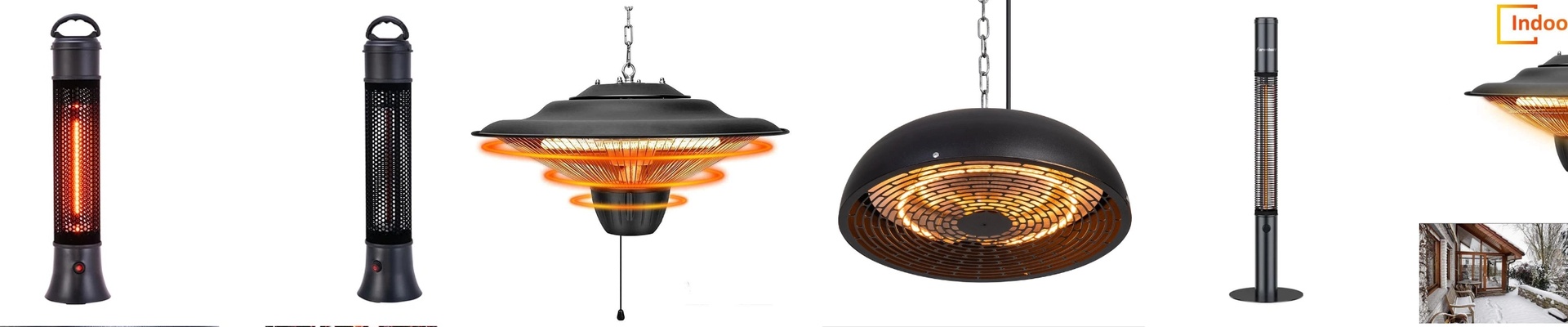
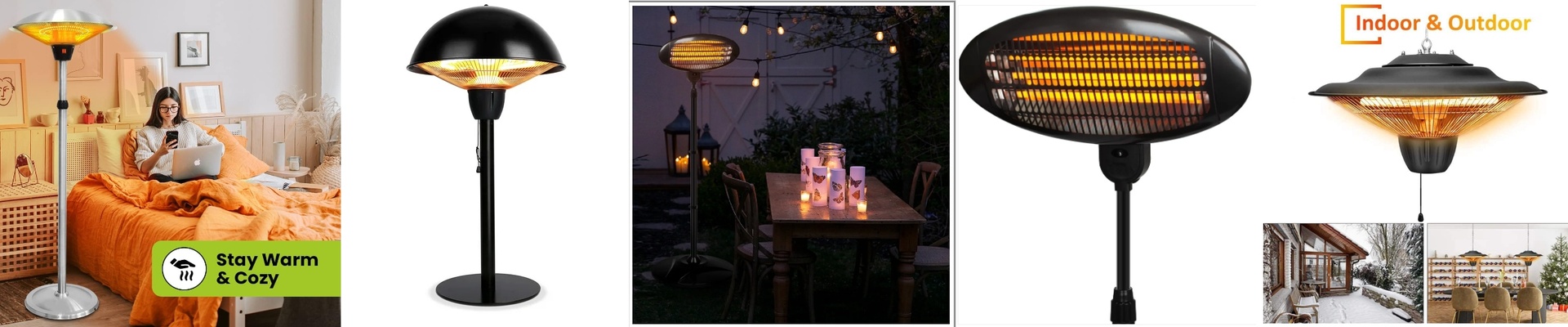
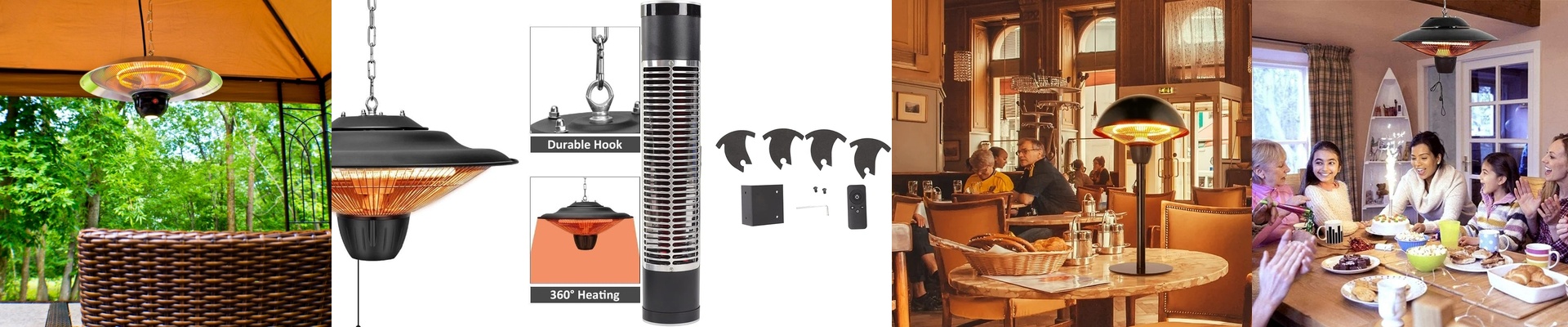
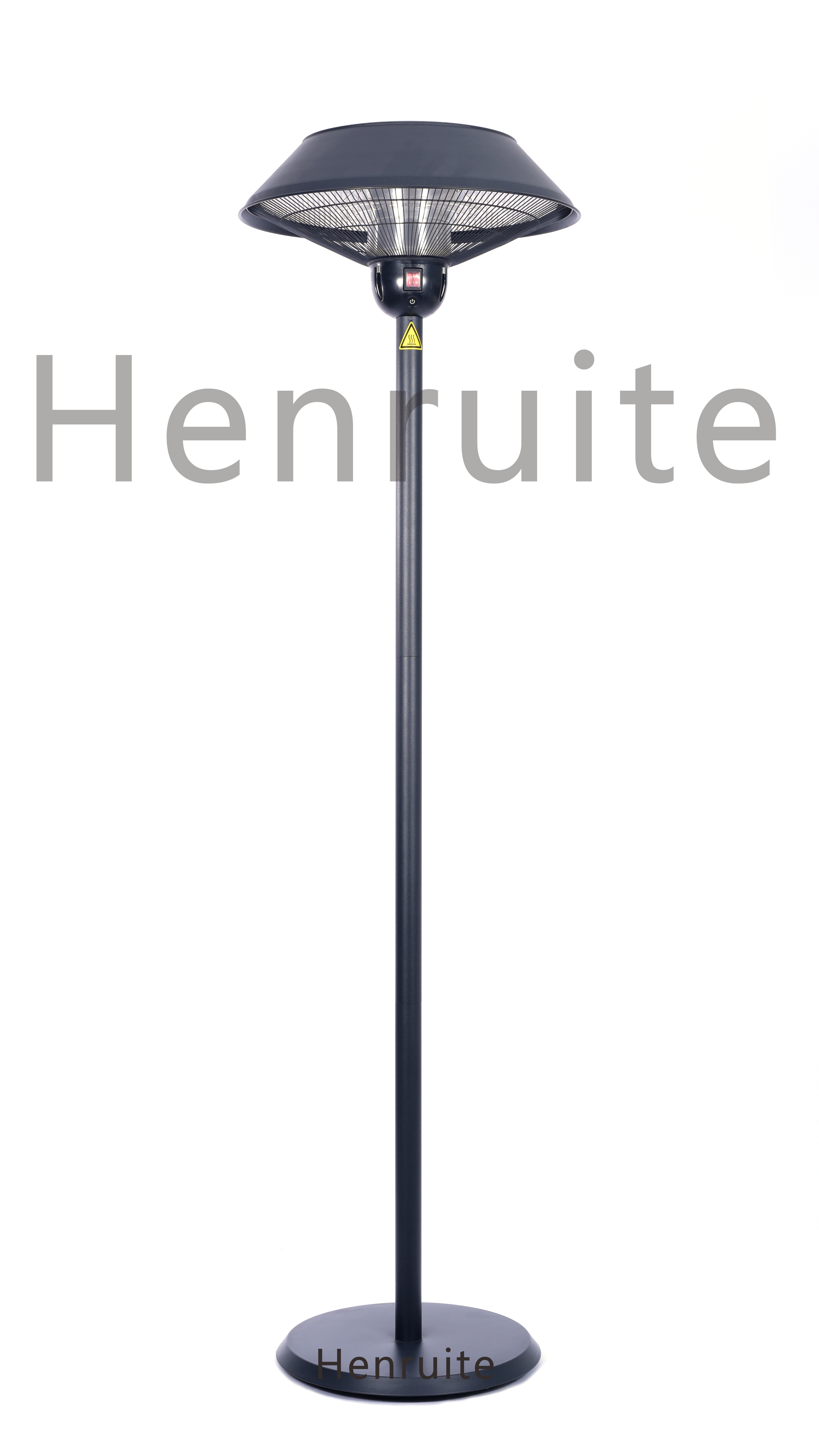
We build our low-noise electric heaters around infrared radiant technology. Inside, a carbon fiber element sits in a quartz tube, delivering medium-wave output. Instead of pushing air around, the heater sends energy straight to people, floors, and display cases—like the sun, but without the UV. The payoff is targeted warmth with minimal air movement, so dust stays down and relative humidity stays more stable. In practice, that means faster, more even surface warming, with tighter control. A built-in thermostat keeps the set temperature within a narrow band, and the low-noise motor keeps operation at a background hush—measured in the low 30s dB in typical gallery layouts. For safety, the heater includes tip-over protection and a thermal cut-off.
Why it works in conservation spaces
Infrared warmth works here because it heats what matters most: the objects, the cases, and the visitors. Radiant energy warms the surface of a painting or sculpture without first heating the whole room, which helps prevent the temperature swings that stress materials. The low-noise profile keeps the space calm, so visitors can focus on the work, and staff can monitor conditions without distraction. Because the heat is directional, you can aim it precisely—under a bench, along a wall, or straight toward a vulnerable case. That cuts wasted energy and keeps ambient conditions more predictable. For galleries and museums, that means steadier conservation conditions, fewer HVAC conflicts, and lower operating cost.
The practical details
Infrared electric heaters perform best when placement is planned up front. Clearance to combustibles matters, and line-of-sight determines performance—obstructions block the radiant beam. These units are designed for indoor use in controlled environments; if you need coverage near an entryway, choose a model rated for damp locations and go over local code with your electrician. Most units plug into a standard outlet, but for larger zones, a dedicated circuit is the cleanest setup. Expect the tube to run warm—that’s normal with infrared—so positioning away from touch points and traffic paths is part of the job. Plan the layout early, and the heater will quietly do its work while you protect what matters.