Keeping Your Patio Full When It Gets Cold
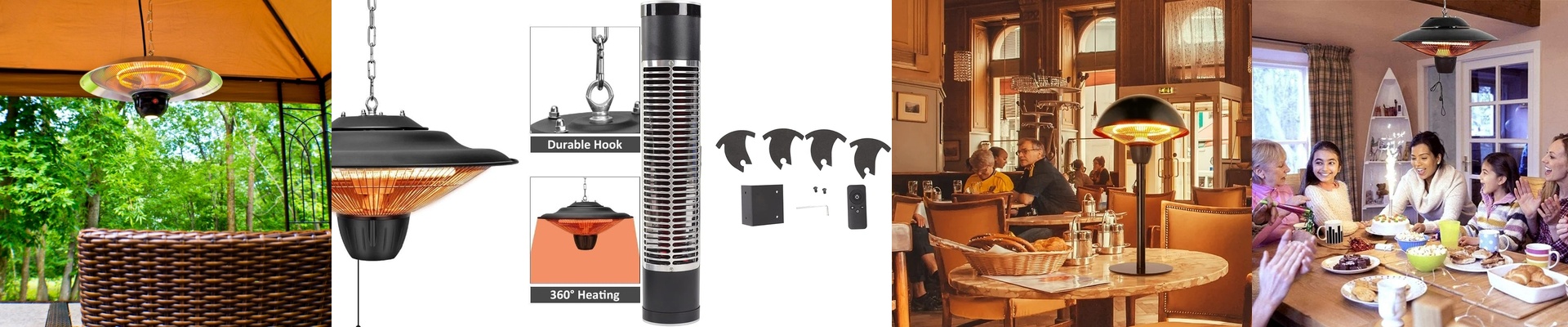
Let’s be honest: the second the temperature dips below 15°C, your outdoor tables start looking like ghost towns. It’s a huge hit to the wallet. To keep people sitting outside in the winter, you need heat that actually sticks—not the kind that just blows away the moment a breeze hits. That’s where IP66-rated infrared heaters come in.
Dealing with the Elements
Outdoor gear takes a beating. Between the rain, snow, and constant humidity, most electronics just give up. When we talk about an “IP66 rating,” we’re really just saying these things are built like tanks. They’re dust-tight and can handle high-pressure water jets without breaking a sweat. We seal everything inside so moisture can’t sneak in and fry the circuits or rust the heating elements. If you go with something cheaper and lower-rated, you’ll probably be replacing the whole system every single year. It’s just not worth the headache.
Why Shortwave IR Actually Works
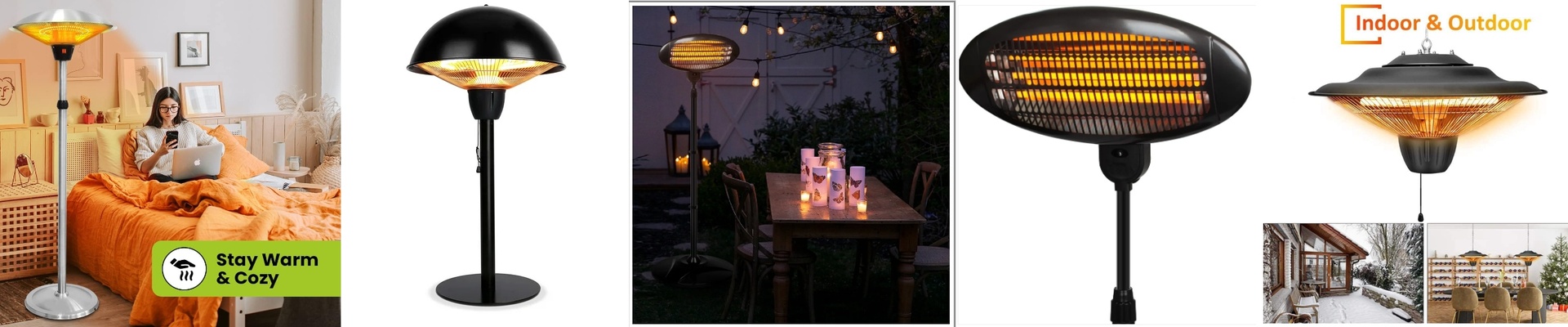
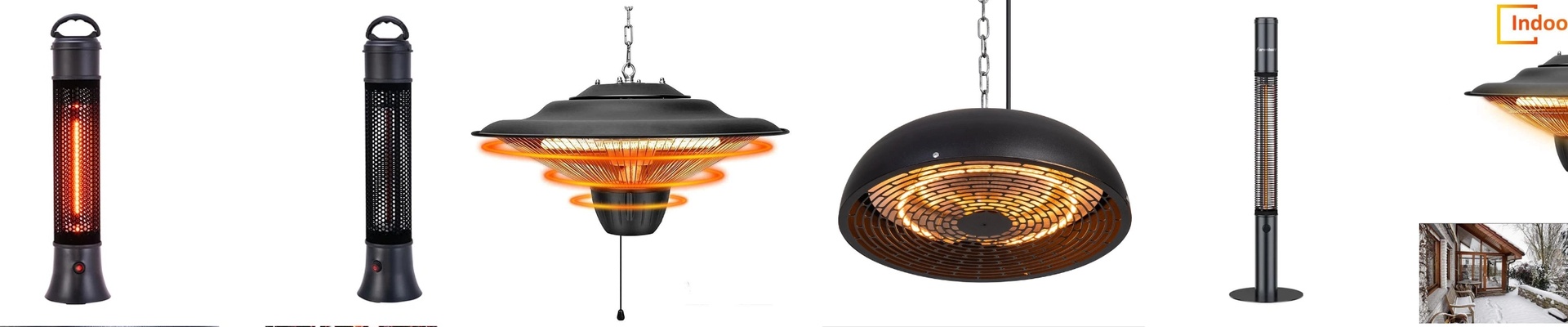
Here is the secret: these heaters don’t try to warm up the air. That’s a losing battle outdoors. Instead, they use shortwave infrared radiation. It feels exactly like standing in a patch of sunlight on a crisp day. The heat goes straight to your guests and their food, skipping the air entirely. Since the wind can’t “blow away” a beam of light, your customers stay warm and cozy. They stay longer, order that extra round of drinks, and you keep the tables turning.
The Nitty-Gritty of Setup
Before you start drilling holes, you’ve got to check your electrical panel. These IR arrays pull a lot of power. If you’re putting in a bunch of 2000W units, your breakers might start tripping if you aren’t careful. We usually suggest running dedicated circuits for the outdoor zones just to keep things simple and safe. One thing to watch out for: the “heat footprint.” Shortwave IR is concentrated. If you mount them too low, your guests will feel like their shoulders are on fire. Too high, and the warmth vanishes before it reaches the table. Getting the height just right is the most important part of the install.
The Bottom Line
If you can stretch your “usable season” by just two months, it changes your entire year’s revenue. You stop losing bookings to the place down the street that only has indoor seating. It’s a simple hardware fix that solves a very expensive seasonal problem.