
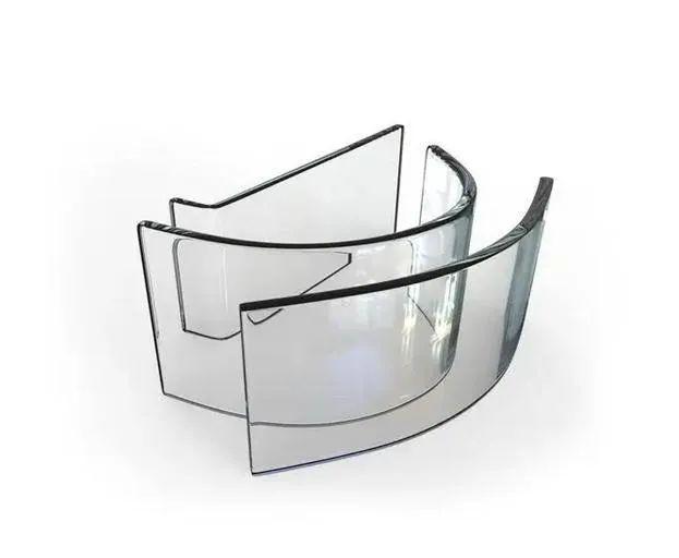
Stopping Glass from Cracking: The Truth About IR Heating
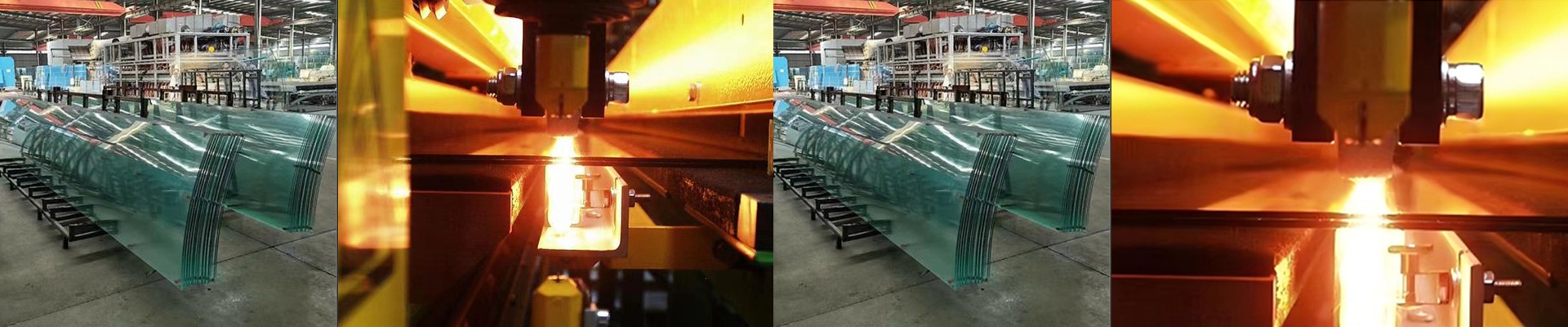
If you’ve ever worked with glass, you know the nightmare of a sudden crack. One minute everything is fine, and the next, a temperature drop hits and your piece just… shatters. It’s frustrating and expensive. To stop that from happening, we use shortwave infrared (IR) lamps. Think of them as a safety net. They provide that instant burst of heat exactly where you need it to keep the glass stable and stress-free. Getting the Heat Right (and Fast) Here’s the thing: when glass starts to cool too quickly, you don’t have minutes to react. You have milliseconds. That’s why we build these IR systems to be snappy. By tweaking the voltage, you can spike the heat the second a cold spot pops up. It kills that “chill” effect before the glass even realizes it’s in danger. We use high-wattage quartz lamps because they pack a punch. You get a ton of energy in a small area, so you don’t need a giant, clunky oven taking up half your floor space. Plus, shortwave radiation actually sinks into the glass faster than hot air does. It heats the material from the inside out. It’s just smarter physics. The Nitty-Gritty Hardware We usually stick with halogen-filled quartz tubes. Why? Because quartz can take a beating from high heat without warping or losing its shape. When it comes to the setup, you’ll probably be using R7s or SK15 connectors. They just fit securely and stay put. But a quick word of warning: watch your power supply. If you try to run a high-wattage tube on a circuit that’s too small, your voltage will drop. Once that happens, your heat becomes inconsistent, and you’re right back to square one with the risk of cracks. The Trade-off Now, there is a catch. These lamps put out a massive amount of radiant heat. It’s great for the glass, but it’s brutal on your machinery. If you just bolt these in and walk away, you’re going to have problems. You need a solid plan for cooling fans and heat shielding. If the air around the lamp housing gets too hot, you’ll fry your wiring and connectors long before the lamp actually burns out. Keep the housing cool, and the system will treat you right.