
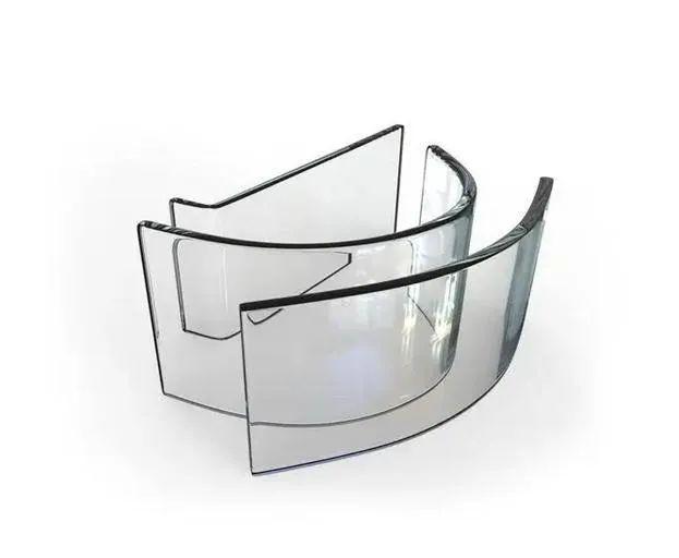
Getting High-Heat IR Into Tiny Glass Repair Brackets
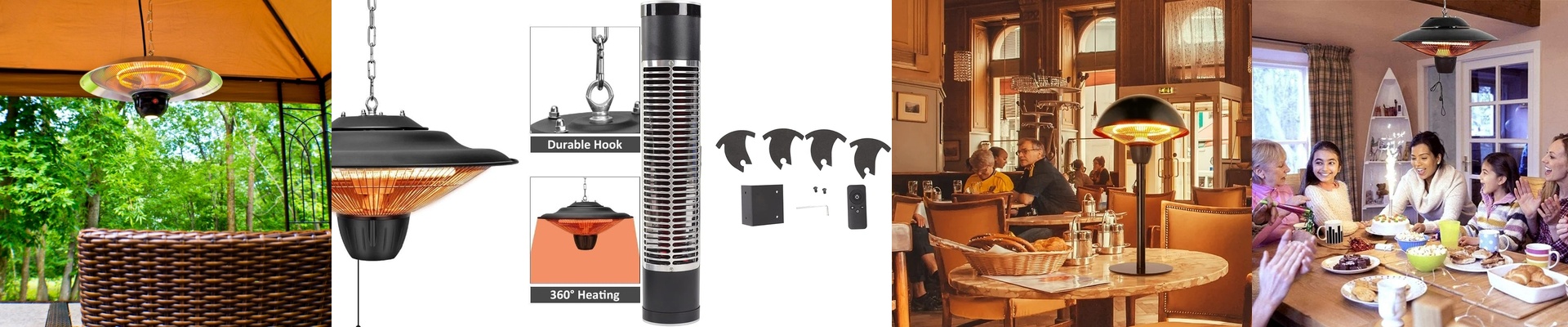
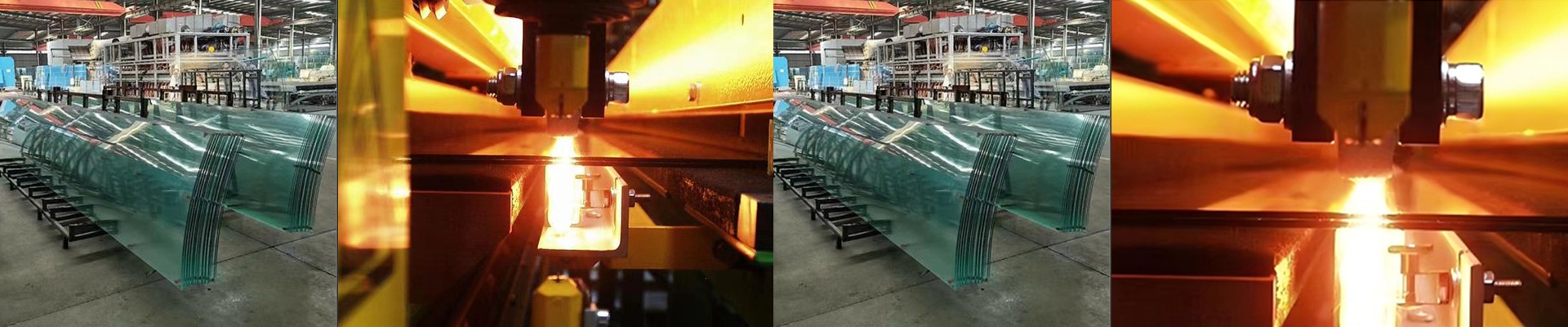
When you’re trying to squeeze high-performance heating into a mobile glass repair bracket, you run into a wall pretty quickly: space. You can’t just throw in a bulky heater and hope for the best. You’ve got a tiny footprint and a limited power supply. That’s why we use short-wave infrared (IR) lamps. They get the glass up to temperature fast—which is exactly what you need for annealing—without making the whole device feel like a brick in your hand.
The Struggle With Power and space
The real trick here is the wattage-to-length ratio. We use high-wattage quartz lamps because they let us pack a ton of heat into a very small area. The goal is to hit the glass transition temperature almost instantly. If you can cut down the cycle time, you’re making more money and spending less time waiting around. But there’s a catch. If your mobile rig is running on low voltage, you can’t just plug and play. We have to tweak the filament thickness and length. It’s a bit of a balancing act to make sure you’re getting enough heat flux without blowing a fuse.
Choosing the Right Parts
We usually go with halogen-filled quartz tubes. Why? Because the spectral output is sharper. It actually penetrates the glass instead of just warming the surface. To keep things compact, we use R7s or SK15 connectors. They’re small, they fit right in, and—more importantly—they make it easy to swap out a lamp when it finally burns out. No one wants to tear apart a whole bracket just to change a bulb. But here is the scary part: putting that much heat in a tiny housing creates a massive thermal load. If you use cheap materials or forget about cooling, the bracket will warp or your electronics will literally fry. You need heat-resistant alloys. Period.
Making it Actually Work in the Field
We want these units to feel plug-and-play. We spend a lot of time on the reflector geometry. By bouncing the IR radiation directly onto the repair zone, we stop wasting energy. It keeps the external casing safe to touch, too. The heat goes exactly where it belongs—into the glass—not into your palm.