


Why Your Glass Keeps Cracking (And How to Stop It)
Ever feel like your glass batches are a total lottery? One run comes out perfect, and the next is riddled with internal stress and cracks. Usually, it comes down to one thing: uneven heat. Here’s the thing. If your lamp output drifts by even 5%, you’ve got cold spots. You might not see them, but the glass feels them. That temperature gap creates tension inside the material, and eventually, it just snaps. To stop that, you need infrared lamps that actually do what they say on the box.
The struggle with thermal uniformity
We stick with short-wave infrared (SWIR) because it punches through glass much faster than the long-wave stuff. But it only works if your lamps are matched. If they aren’t, you end up with a mess. One zone hits 550°C while the one right next to it is lagging at 530°C. That little difference is enough to ruin the whole piece. When your lamps are consistent, every single tube puts out the same amount of heat. You get a flat, steady thermal profile across the entire workpiece. No guesswork. No surprises.
The gear and the trade-offs
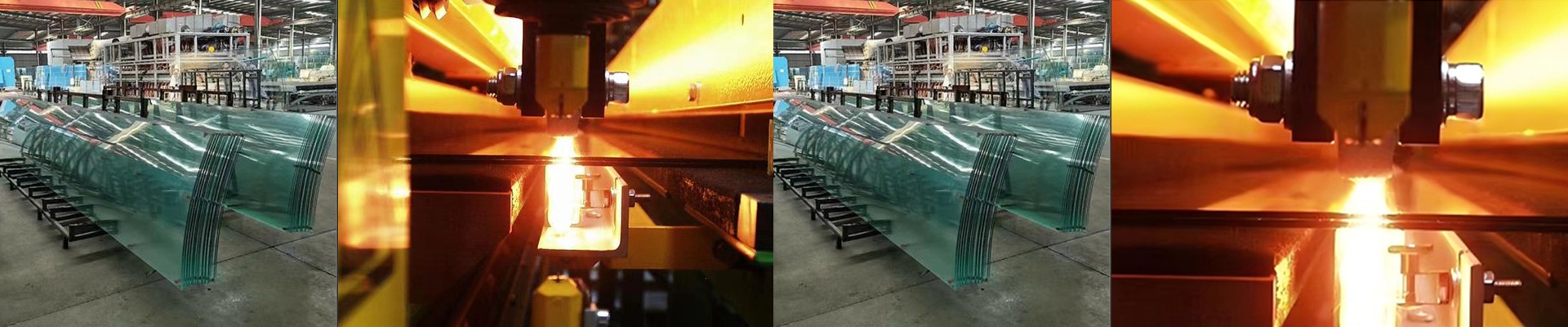
We use high-purity quartz for these lamps. Why? Because Rapid cycling is brutal, and the glass needs to handle that thermal shock without giving up. We also calibrate the filaments to a very tight range. You can’t just grab any old halogen tube and throw it in a molding rig. It won’t hold steady. But there is a catch: power density. Packing a ton of wattage into a small space is great for getting up to temperature fast, but it puts a massive load on your power supplies. If you go with a high-output array, just make sure your wiring can actually handle the current. If you get voltage drops, you’re throwing your money away because that consistency vanishes.
Making it work in the real world
When you get these wired into your annealing lehr, the goal is a curve you can actually rely on. When the IR output is steady, you can stop wasting your life chasing your tail with PID tuning. You set your parameters once, and you’re done. The glass reaches its softening point evenly, your scrap pile shrinks, and you can finally stop worrying about whether the current batch is going to survive the cooling process.