
Stop Guessing with Your Glass: How to Fix Batch Variance
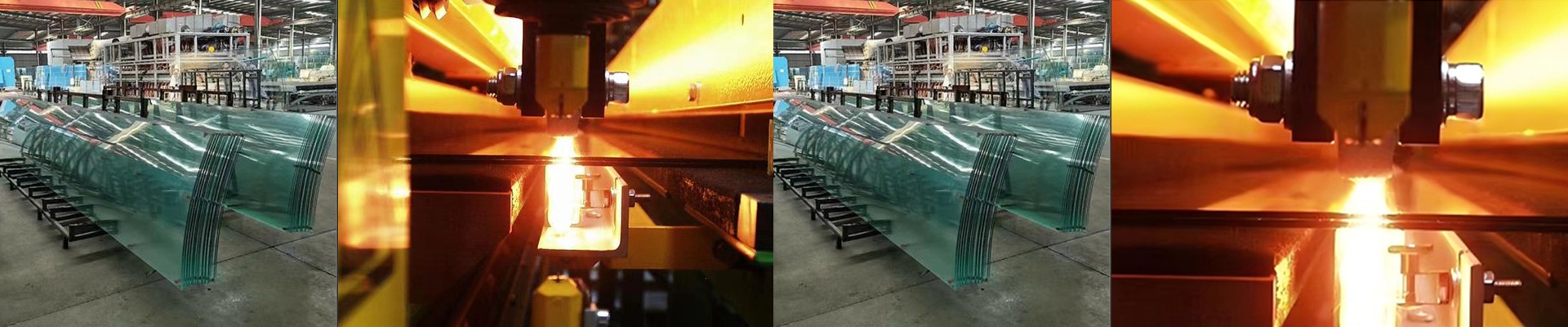
Ever notice how one batch of glass comes out perfect, and the next one has those annoying quality swings? Usually, it comes down to one thing: the heat isn’t hitting the glass evenly. When you’re running glass through nip rollers, any tiny temperature difference across the web creates internal stress. That’s where your optical distortion comes from. If you want to kill that variance, you need IR lamps that actually put out the same amount of heat every single time. The “Zebra Stripe” Problem Here’s the thing about cheap IR lamps: they’re inconsistent. One lamp might be pushing 1000W, while the one right next to it is only doing 920W. The result? You get “zebra striping” on your glass. It’s frustrating, and it wastes material. We build our lamps with a very tight wattage tolerance. We make sure the heat flux stays flat across the entire width of the roller. That way, it doesn’t matter where the glass sits on the conveyor—it hits the rollers at the exact same temperature. Power vs. Heat If you’re running fast line speeds, you need shortwave lamps. They’re great because they dump heat into the glass surface almost instantly. But there’s a catch. When you cram that much power into a small space, things get hot. Really hot. If you don’t get your cooling fans and vents dialed in, you’re going to bake your control electronics and kill your lamps way sooner than you should. It’s a balancing act. Stop Chasing the Setpoint When your IR output is stable, your life gets a lot easier. You can stop obsessing over the PID controllers every time you switch batches. We spend a lot of time on the quartz purity and centering the filaments to make sure there are no hot spots. It just works. The real win here is the scrap rate. You get a setup that keeps the same thermal profile from the first sheet of the morning to the very last one of the shift. Stop worrying about “average” temperatures. Start looking at the variance. That’s where the money is.