
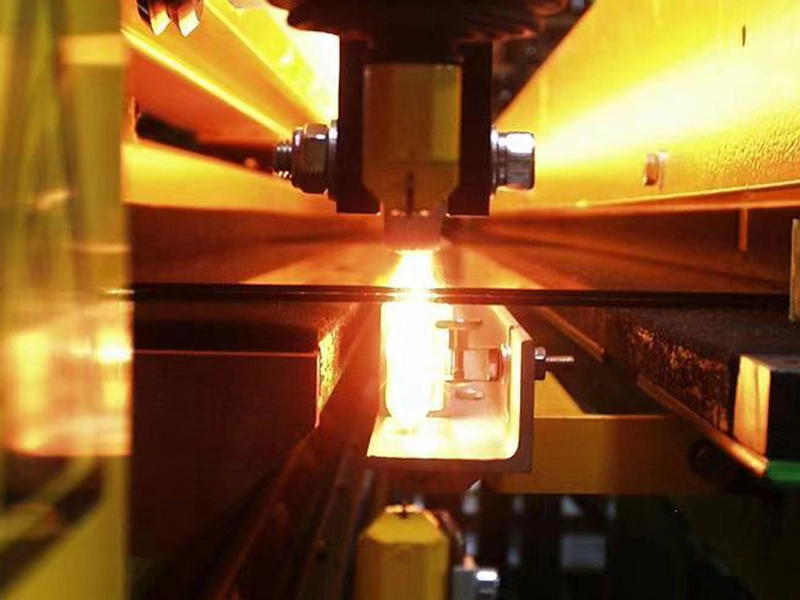
The Tug-of-War Between Ink and Glass
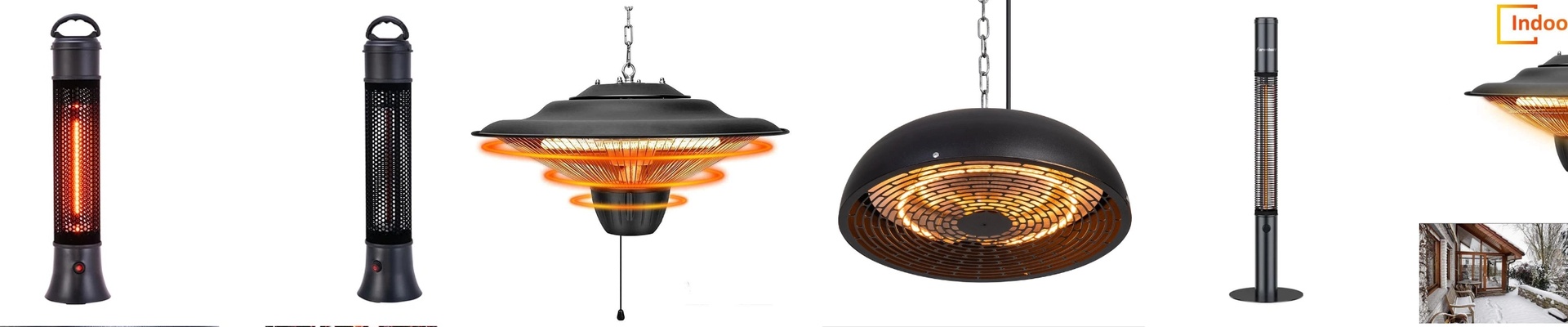
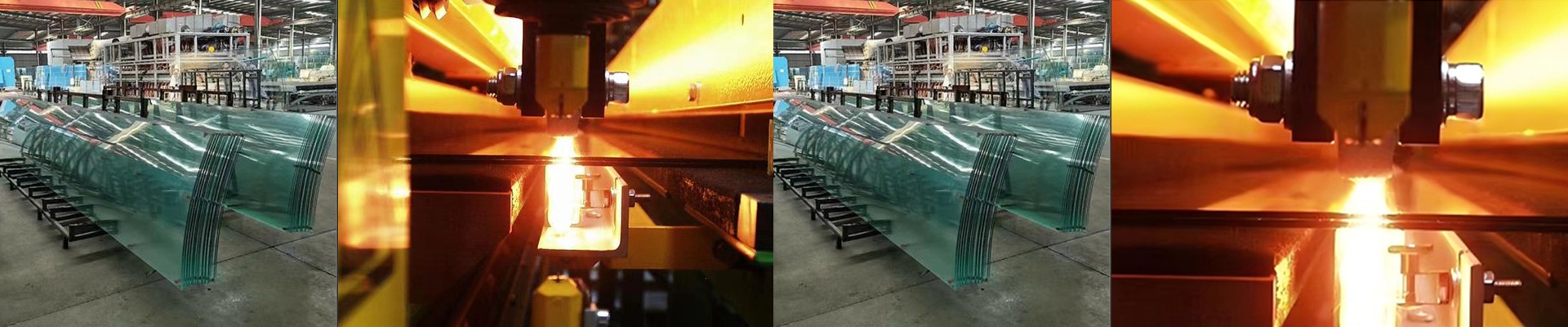
Here is the struggle when you combine screen printing and tempering: you’re fighting a battle with heat. You need the ink to cure perfectly without burning, but the glass has to get hot enough to soften so it can actually be tempered. It’s a tricky balance. We handle this by using short-wave infrared (SWIR) heating lamps. It’s all about controlling the heat flux.
Keeping the Ink from Acting Up
Standard convection ovens are just too slow. By the time the glass is hot enough for tempering, the ink has often already started to bleed or “ghost.” It looks messy and ruins the piece. That’s why we go with high-density quartz lamps. They don’t just warm the air; they push energy straight into the glass. You can tweak the wattage and the distance of the lamps to hit that sweet spot where the ink cures and the glass is prepped for the quench at the same time. But be careful. If you crank the wattage too high just to speed up the line, you’ll scorch the pigment. You have to find the right rhythm between the power of the lamps and how fast the belt is moving.
The Gear That Makes it Work
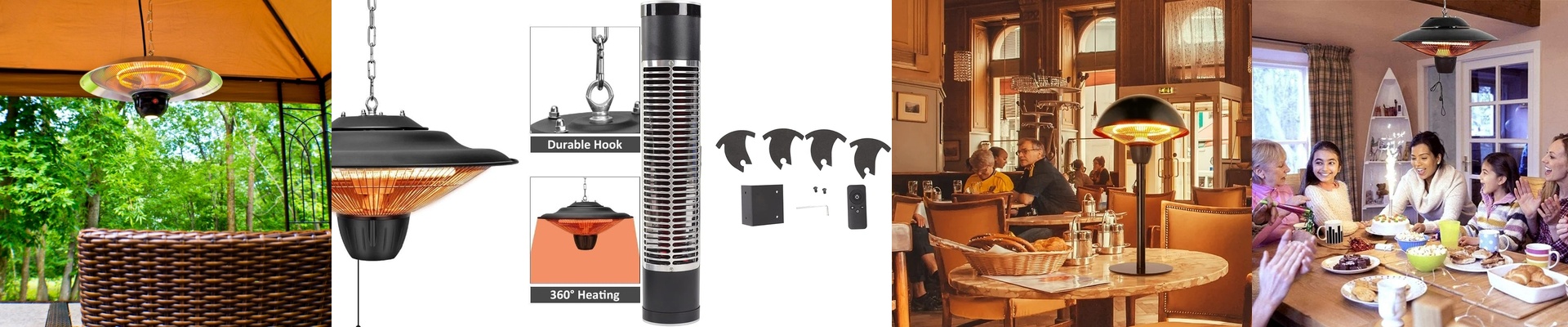
On the hardware side, we usually go with a high-voltage setup. It keeps the current draw low, which is a lifesaver when you’re dealing with long oven banks. We also use coated quartz tubes. These are great because they reflect the heat forward onto the glass instead of letting it leak up into the oven ceiling. It keeps the heat exactly where it needs to be. And for the connectors—we stick with R7s or Sk15. Why? Because lamps burn out. When one goes mid-shift, you don’t want to be rewiring a whole rack. You just want to pop a new one in and get back to work.
The Trade-offs
Now, here’s the catch. High-wattage SWIR lamps pack a punch, but they put a lot of stress on your electrical panels. If you’re running a 2500W array, you can’t skimp on the cooling fans. If those fans aren’t sized right, the heat builds up inside the chassis until the lamp sockets literally melt. It’s a classic trade-off. You get a faster line, but you’ll spend a bit more time keeping an eye on your cooling system.