

Stop Fighting With Your Furnace Heaters
If you’ve ever tried to upgrade the heaters in a bottle annealing furnace, you know the real headache isn’t the power. It’s the fit. There is nothing worse than ordering new lamps only to realize they don’t actually fit the machine. Suddenly, you’re staring at a project that involves drilling into the frame or ripping out the wiring in the control cabinet. That’s not an upgrade—that’s a nightmare that kills your production time.
The “Drop-In” Approach
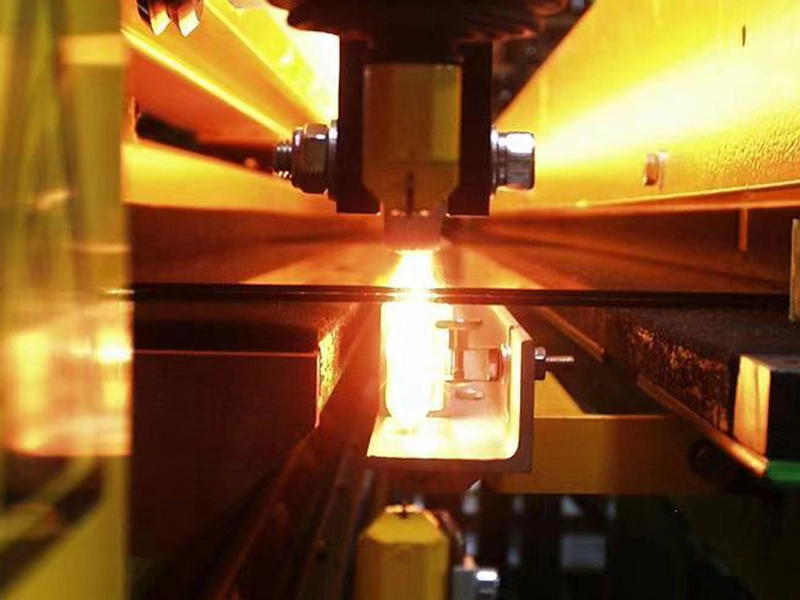
We believe an upgrade should be simple. Whether you’re dealing with standard spiral heads or some weird, custom setup, the goal is to just slide the new part in and get back to work. We build our heater sockets to match the footprint you already have. No drilling. No hacking away at the chassis. No replacing the whole wiring loom. When the connector just fits the slot, you can swap a burnt-out tube in a few minutes. It’s a relief to know you aren’t losing half a shift just to fix one heater.
A Quick Warning on Power
Getting the fit right is the first win, but you’ve got to keep an eye on the electrical side, too. If you jump to a higher-wattage heater to speed up your throughput, you’re putting more pressure on your relays and contactors. Pushing too much current through an old socket is a recipe for overheating your terminals. Do yourself a favor: check your wire gauge before you go for the high-output lamps. It’s a five-minute check that saves you from melting your insulation.
Keeping Things Steady
In a high-volume line, your heaters take a beating. Between the constant heat cycling and the vibration of the machinery, things shift. If a lamp isn’t seated perfectly, it moves. That creates cold spots in the lehr, and that’s how you end up with stressed glass. By ditching the clunky adapters and “make-it-work” brackets, the heat goes exactly where it belongs. You get a clean fit, a solid connection, and your original equipment stays exactly the way it was meant to be.