
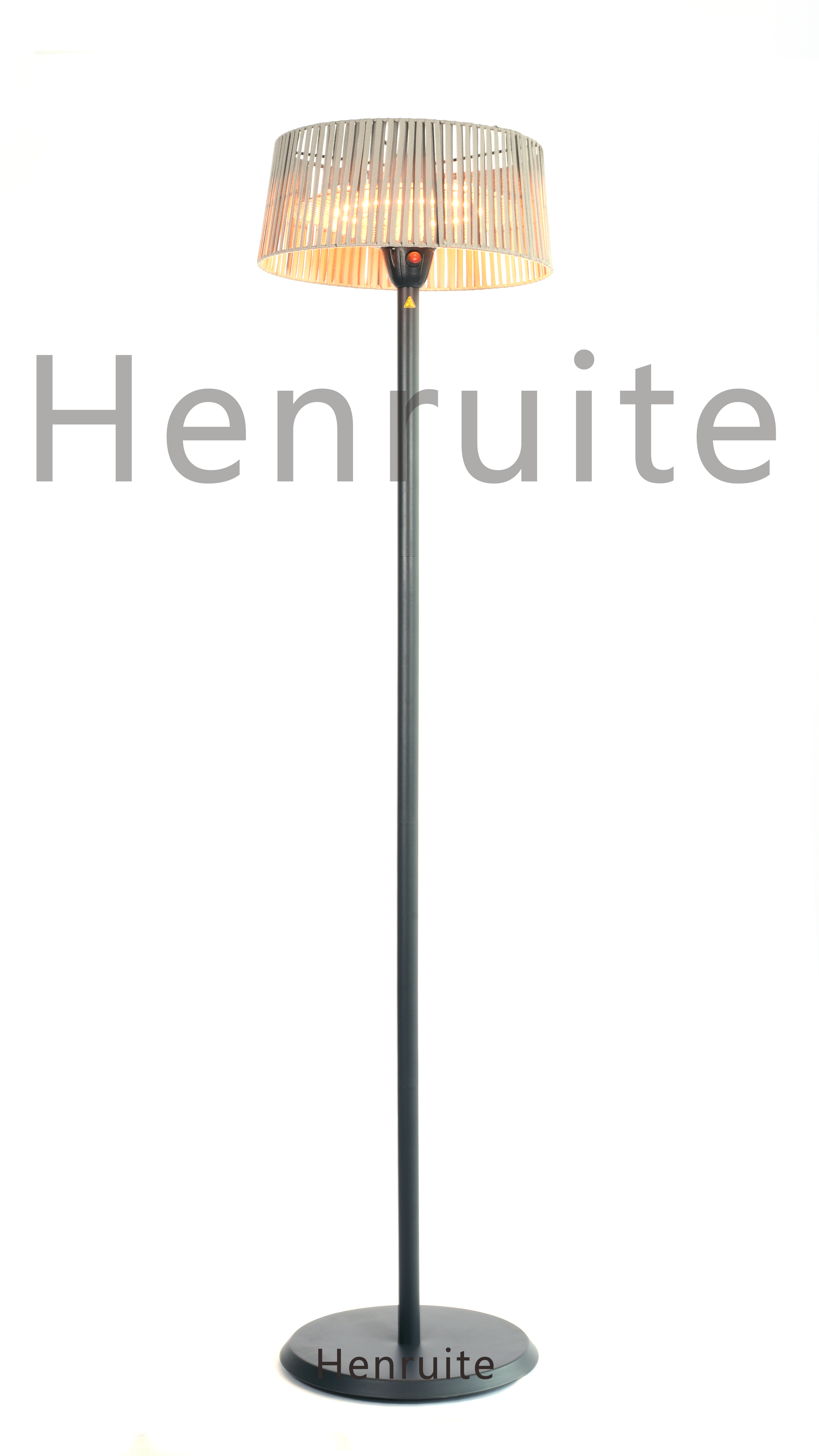
Why We Put Our Bathroom Lamps Through Hell
Let’s be honest: bathrooms are a nightmare for electronics. Between the steam from a hot shower and the sudden chill when you open a window, it’s a recipe for disaster. Most lamps just can’t handle that kind of mood swing. That’s why we don’t just build these infrared lamps and hope for the best. We put them through “damp-heat aging tests.” Which is basically a fancy way of saying we try our hardest to break them before they ever reach your house.
The battle against the “dew point”
Here is the problem. When a lamp gets scorching hot and then hits a wall of damp air, moisture clings to the glass and the electrical parts. It’s like a tiny rainstorm happening inside your fixture. If there’s even a microscopic gap in the seal, moisture sneaks in and hits the tungsten filament.**Boom.**Instant oxidation. The lamp dies. We use these tests to cram years of bathroom humidity into a few weeks. We push the moisture levels to the absolute limit just to see where the seals give up. If it leaks in our lab, it’s not going in your bathroom.
The weak spot: The connection
Usually, the lamp doesn’t fail in the middle; it fails at the plug. When corrosion creeps into the terminals, it creates resistance. That resistance turns into heat—not the good, warming kind of heat, but the “melt your plastic housing or trip your circuit breaker” kind of heat. We blast our connectors with salt-spray and moisture to make sure the plating actually holds up. After the torture test, we check the voltage. If the resistance has climbed even a little bit? The whole batch gets tossed.
A quick reality check
Now, look, no seal is perfect forever. We can make these lamps incredibly tough, but they aren’t magic. Your ventilation still matters. If you’re in a tiny bathroom with zero airflow and the walls are dripping, moisture is going to build up faster. You might see the quartz glass get a bit cloudy over time. The heat is there, and it’s powerful. Just make sure your fixture is actually built for the amount of steam you’re cranking out.