
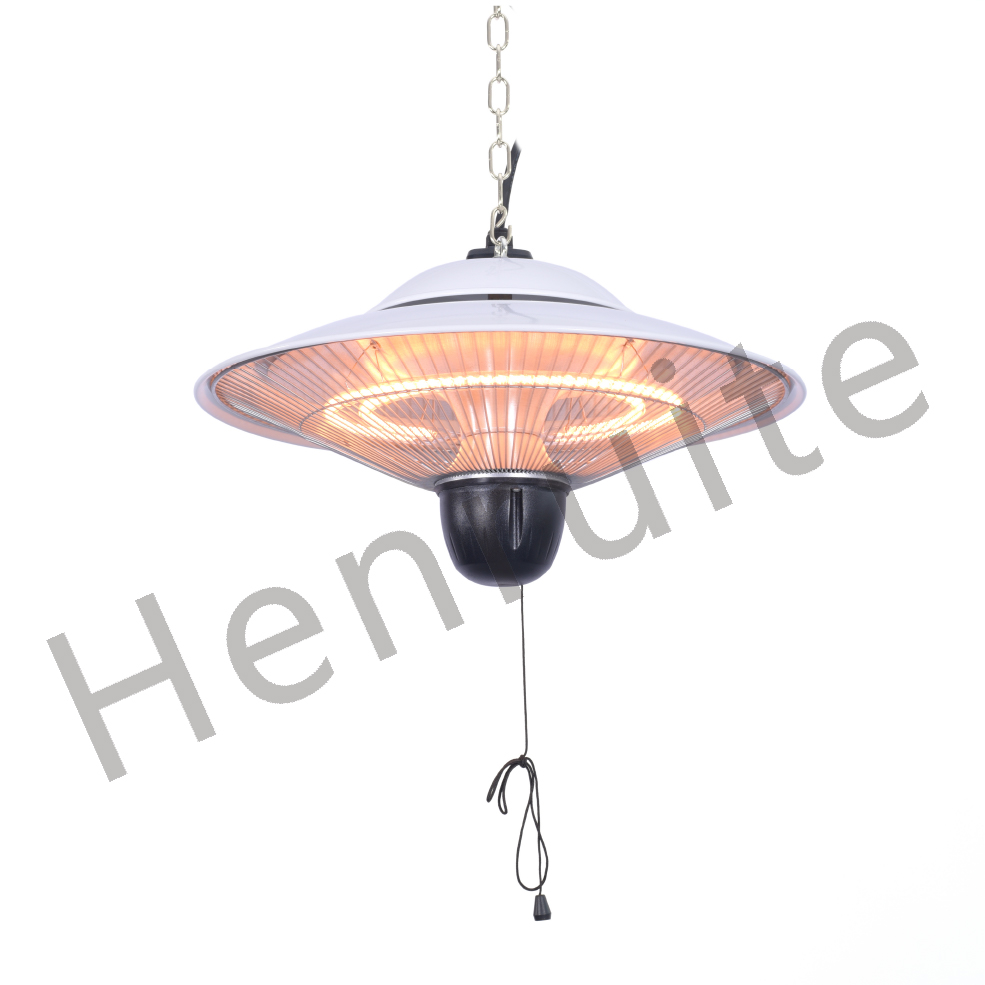
Making Your Infrared Heat Actually Smart
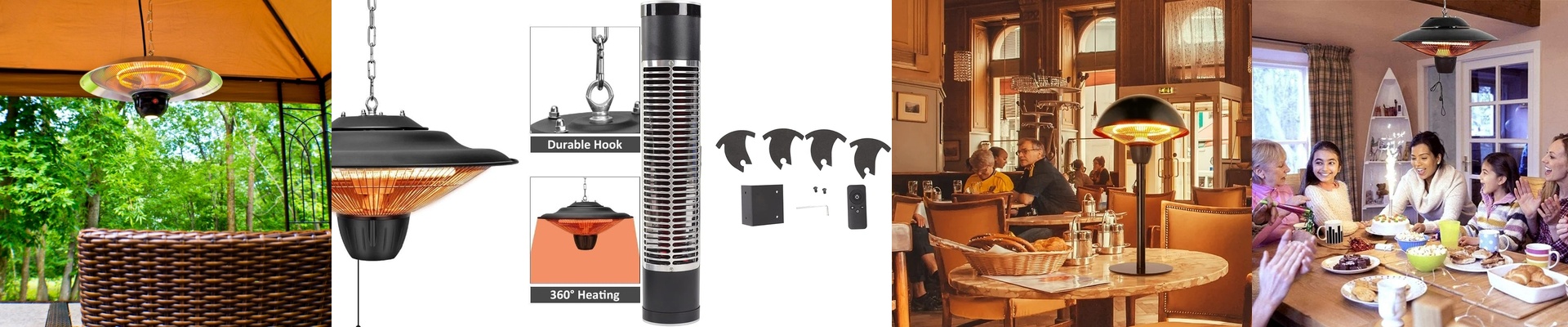
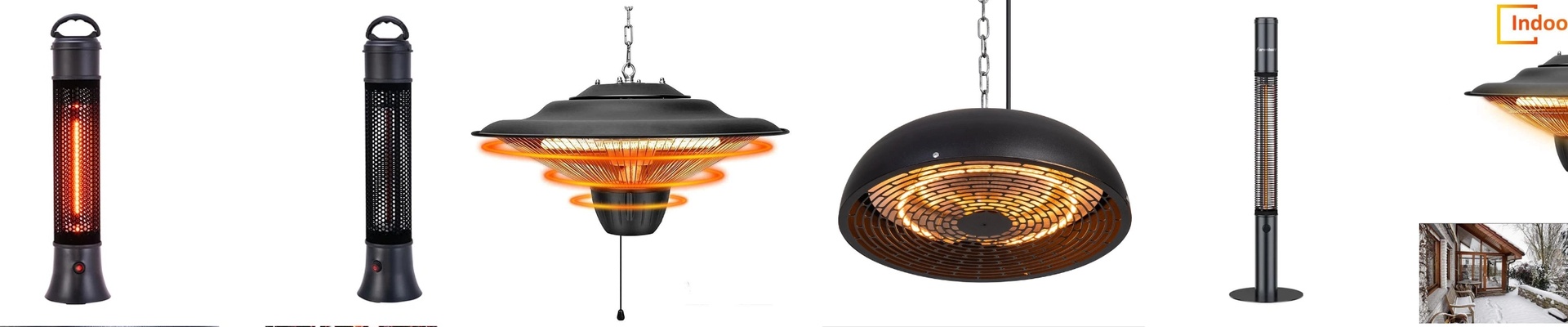
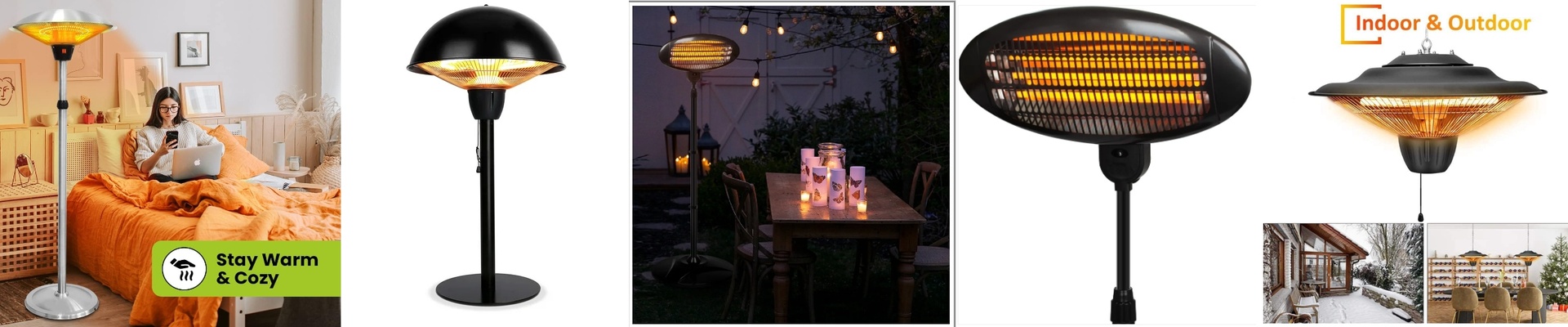
Ever notice how traditional heaters take forever to actually make you feel warm? You turn them on, wait ten minutes for the air to move, and you’re still shivering. Infrared (IR) heaters are different. They don’t mess around with the air; they send heat straight to you and the furniture around you. When you hook these up to a smart home setup, the warmth is basically instant. The second that switch flips, you feel it. The secret to that instant warmth Most people use a Zigbee or Matter relay to handle the power. It’s a simple setup, but the result feels like magic. Whether you’re using halogen or carbon elements, these things hit their peak temperature in a heartbeat. It’s not some fancy software trick. It’s just physics. The smart hub is just the finger pulling the trigger. Don’t fry your gear Here is a word of warning: please don’t try to plug a 2000W heater into a cheap smart switch meant for a lightbulb. You’ll melt the contacts and probably start a fire. You need a heavy-duty relay or a dedicated power controller. I usually suggest a high-amp contactor paired with a smart switch. That way, your hub sends a tiny, safe signal to a bigger switch that can actually handle the heavy lifting. The quirks you should know about It’s not all perfect, though. IR heat is directional. If you mount the heater too high or in a weird corner, you’re going to end up with cold spots in the room. And here’s the tricky part: standard wall thermostats are kind of useless here. They measure air temperature, but IR heaters don’t really care about the air. This often leads to “overshoot,” where the room gets way too hot because the thermostat didn’t realize you were already toasted. My advice? Use PIR (motion) sensors. Set it up so the heat only kicks in when you’re actually standing in the beam. It saves a ton of electricity and keeps you from heating an empty room.