

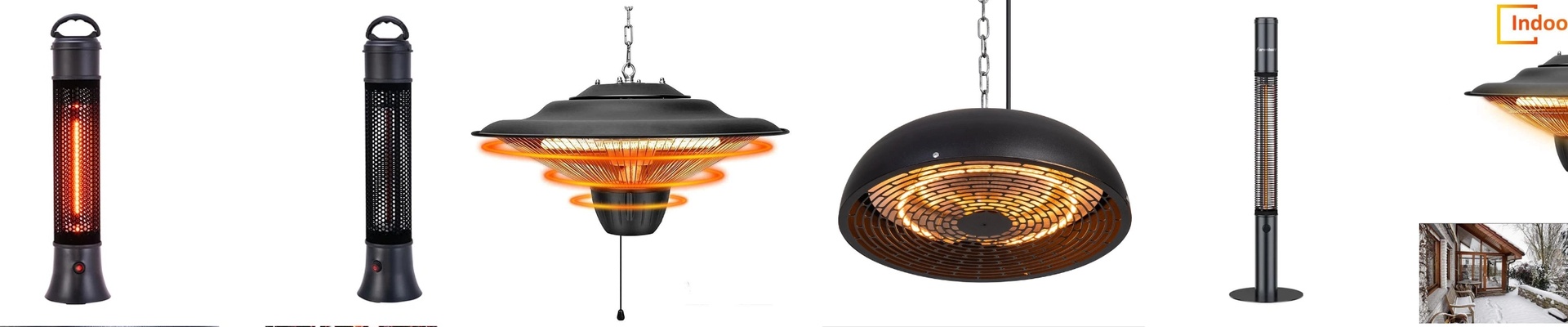
Let’s Talk About the 5-Year Itch in Outdoor Heating
Outdoor infrared heaters have a tough life. Between the rain, the dust, and those brutal temperature swings, things eventually start to wear down. Now, you might see an IP65 rating and think the heater is bulletproof. That rating is great for keeping the electronics dry, but here’s the reality: heating tubes are consumables. They’re going to burn out eventually. It’s just physics.
Stop Tearing Your Heaters Apart
Most heaters are a nightmare to fix. If a tube cracks, you usually have to strip the whole chassis down and mess around with internal wiring just to get to the part that broke. It’s a headache nobody wants. We decided to do things differently. We built our heaters with a plug-and-play setup. The heating element lives in its own little carriage. When it’s time for a change, you just slide the module out, unplug the lead, and pop a new one in. It takes minutes, not hours. And when that tube finally gives up the ghost five years down the road? You just swap the module and keep going. No need to throw the whole unit in the scrap heap.
The Struggle with Seals and Heat
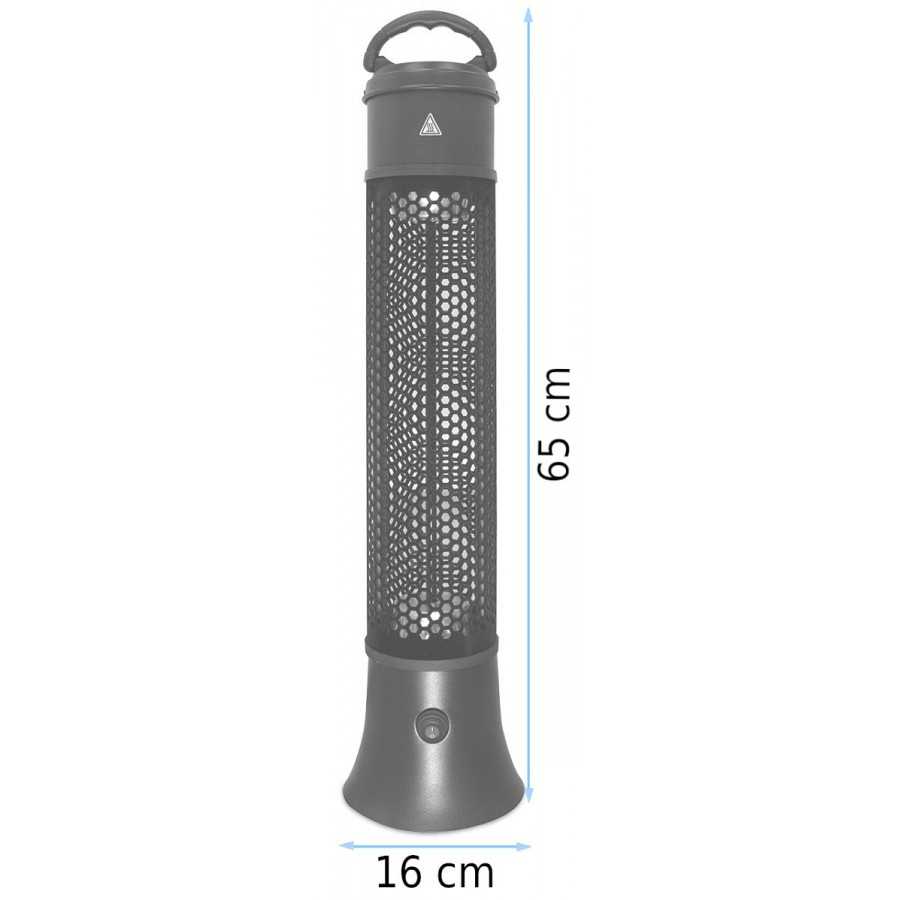
Keeping a heater watertight while making it easy to repair is a tricky balance. We use compression gaskets and sealed cable glands to make sure water stays out where it belongs. But there’s a catch. When you seal everything tight, heat builds up around the internal wiring. If you cram too much wattage into a tiny, sealed box, you’ll actually cook the insulation on your wires over time. That’s why we focus on giving the housing enough surface area to breathe and cool down naturally.
Real-World Repairs
The best part? You don’t need to call in a master electrician every time a tube goes. We used standardized connectors, so you can’t accidentally wire things backward. All you need is a basic toolkit and the replacement part. You slide it in, click it into place, and your heater is back to factory strength without changing a thing about your installation.