
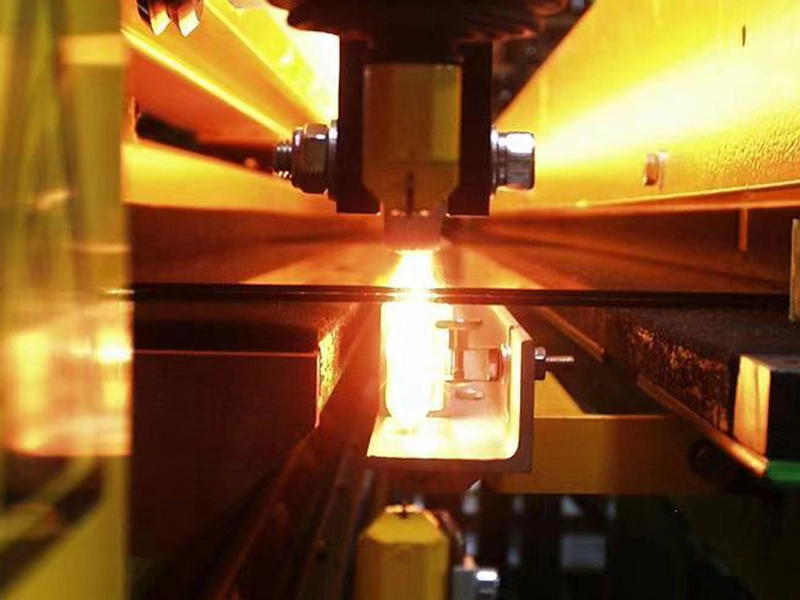
Why Preheating Your Glass Actually Matters
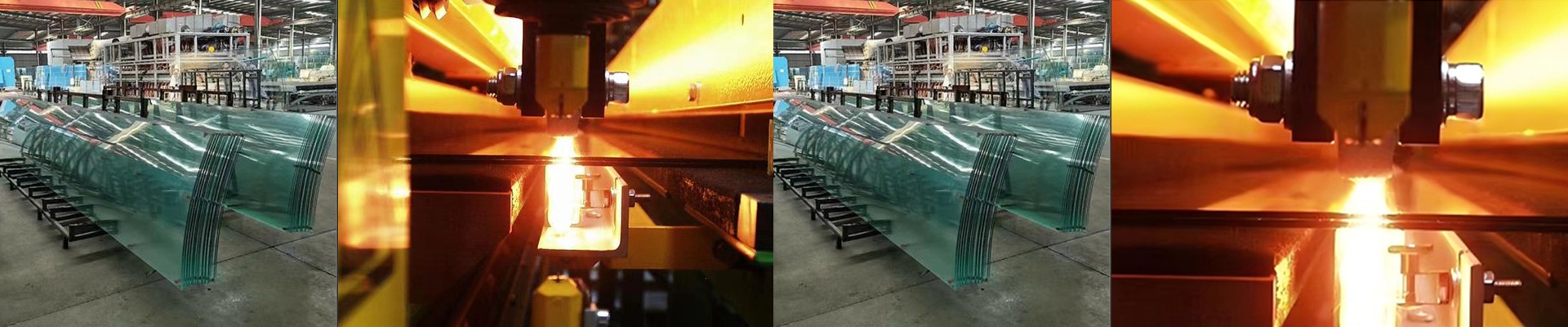
Cutting glass is basically just a controlled break. You score the surface to create a weak point, and then you hope it snaps exactly where you want it to. But here’s the problem: when glass is cold, it’s tense. That internal tension makes the break erratic. Instead of a clean line, you get those annoying chips and corner breakouts that end up in the scrap bin. It’s frustrating, and it costs you money. That’s where short-wave infrared (IR) lamps come in. We set these up to hit the glass right before the cutting wheel makes contact. By warming up the surface, we relax the glass and lower that internal stress. The result? The glass snaps cleanly. No more jagged edges, and way less waste. The magic of IR Unlike a space heater that warms the air, IR lamps use radiation. The heat hits the glass instantly. By targeting the exact spot where the cut happens, we make the glass just “soft” enough for the fracture to follow your score line perfectly. If you’re running a high-speed line or dealing with thick float glass, this is pretty much the only way to keep your chipping rates under control. Getting the balance right Now, you can’t just blast the glass with as much heat as possible. If you overdo it, you’ll get thermal shock, which just creates new cracks. It’s a balancing act. You have to tweak your lamp wattage and conveyor speed until you hit that sweet spot—usually somewhere between 60°C and 100°C. One more thing to watch out for: those high-wattage quartz lamps pull a lot of power. Make sure your wiring can handle the peak current, or you’re looking at a burnout. Also, keep in mind that quartz is fragile. If your machine vibrates too much, those tubes will snap. Throw in some proper damping mounts so they aren’t taking a beating all day. Your wallet will thank you.