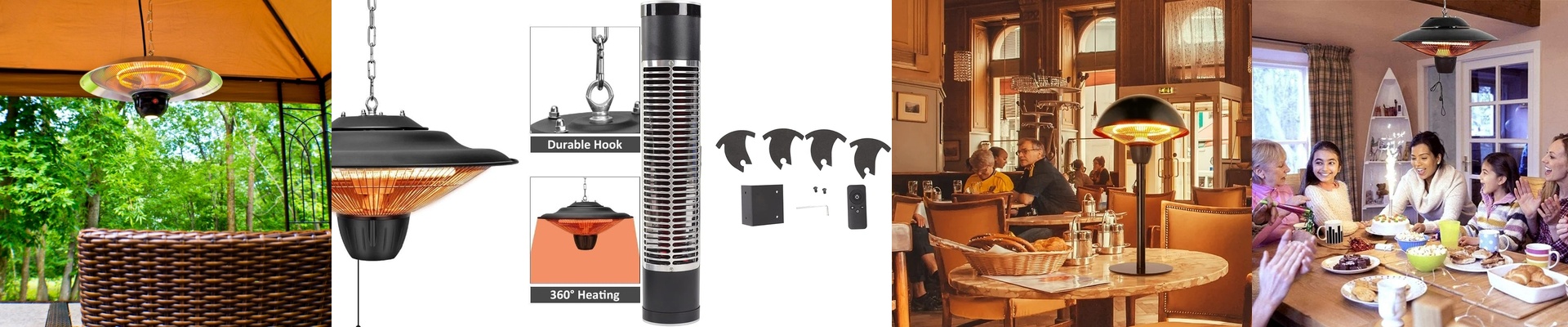

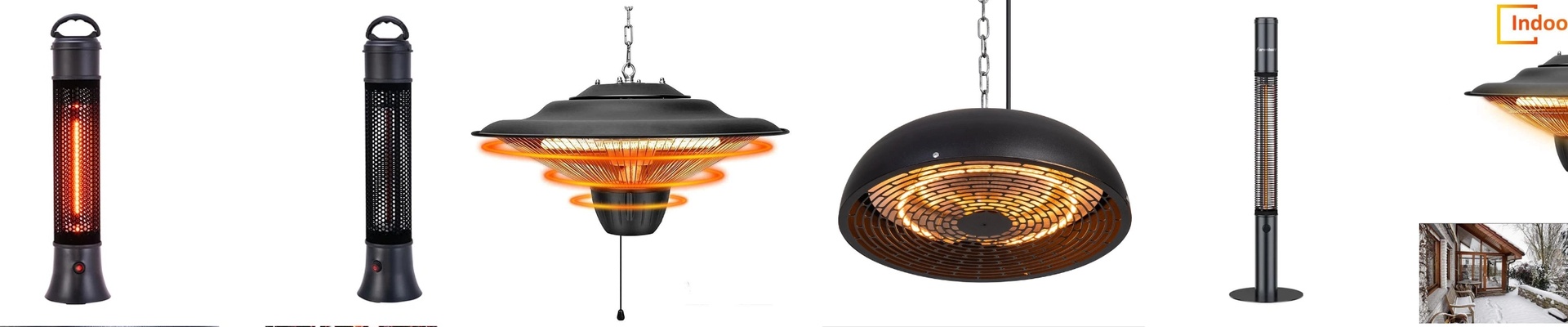
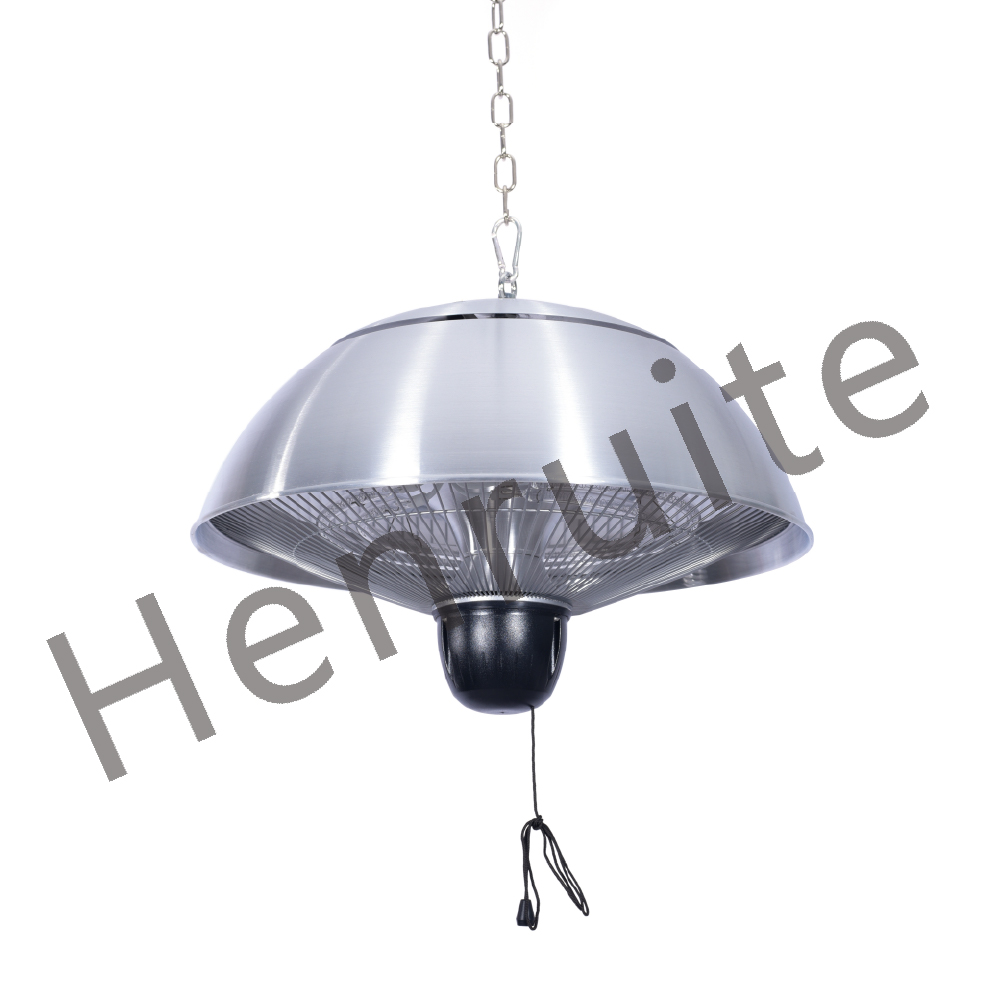
Keeping Your Bathroom Infrared Heaters Safe (and Dry)
Putting an infrared heater in a bathroom is a bit of a balancing act. You want that intense, cozy heat, but you’re doing it in a room full of steam and random water splashes. Here’s the problem: standard quartz lamps usually have exposed electrical terminals. In a humid bathroom, that’s a recipe for disaster. Moisture creeps in, currents start tracking where they shouldn’t, and suddenly you’ve got a short circuit. Not ideal.
Getting the Seal Right
To keep the water out, we can’t just leave the terminals open to the air. We aim for an IP65 rating—which is basically a fancy way of saying the unit is dust-tight and can handle a jet of water without breaking a sweat. We make this happen by sealing the ends of the lamp with specialized gaskets and moisture-proof potting compounds. It basically locks the electrical connections in a vault so the damp air can’t touch them. We use high-grade quartz glass for the tungsten filament because it handles the heat. But the real danger zone? The pinch-seal. That’s where most lamps fail. We beef up these points to stop moisture from sneaking into the tube. If that happens, your filament burns out way faster than it should.
The Safety Stuff
To make sure these are truly safe, we use a double-insulated design. We put these through dielectric tests to prove that no current is leaking to the outer shell. And of course, you need a grounded housing. If something does go wrong internally, you don’t want the casing becoming live. But there is a trade-off. Since we’ve sealed everything up tight to hit those IP65 specs, the heat can’t escape the terminal area as easily as it would in an open lamp. **Keep this in mind:**Make sure your fixture’s housing is actually rated for the wattage of the lamp you’re putting in. If you push too many watts through a small housing, you’ll melt those seals right off.
Pro Tips for Installation
These are designed to be simple drop-in replacements. But when you’re wiring them up, double-check that the gaskets are sitting completely flush. One pinched seal and your IP rating is gone. Also, use heat-resistant wiring. Standard wires can crack under the intense heat of the lamp, and that’s a problem you don’t want to deal with later. Just take an extra second to check the fit, and you’re good to go.