
Fixing Those Annoying Cold Spots in Your Glassware
Ever pull a piece out of the kiln only to find it cracked because one part cooled faster than the rest? It’s frustrating. The problem is usually “dead zones.” If you’re working with tricky shapes—think narrow necks or chunky bases—the heat just can’t reach every nook and cranny. You get these thermal shadows, internal stress builds up, and then snap. Your hard work ends up in the scrap bin. To fix this, we use long-life infrared heating tubes. They don’t just warm the air; they push heat exactly where it needs to go to get the whole piece balanced.
Getting Heat Into the Tight Spots
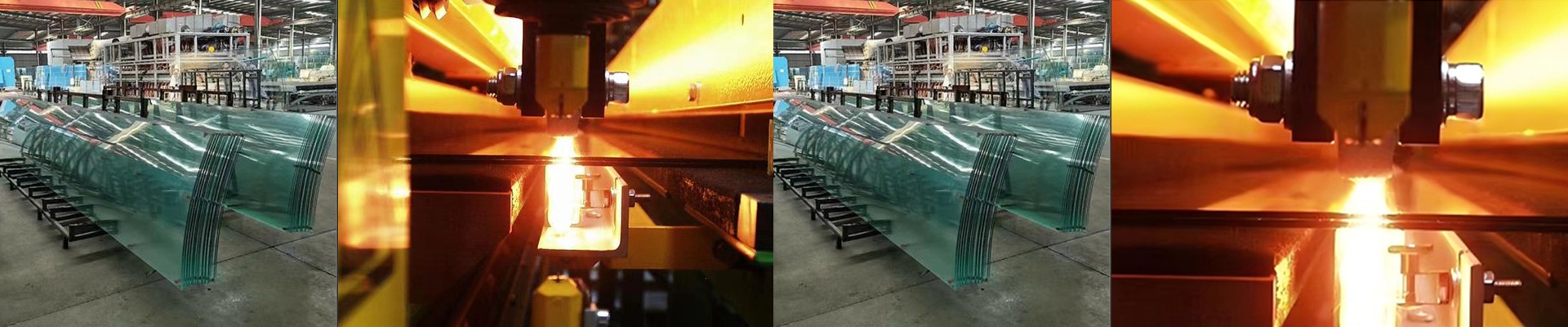
Standard kilns usually rely on general radiation or hot air. That’s fine for a simple cube, but for intricate glassware? Not so much. We use infrared tubes because they send targeted energy straight into the glass. By setting them up in a multi-angle array, you can basically “flood” those shadow areas. It stops the uneven cooling and, more importantly, stops you from wasting a whole batch of glass.
The Gear and the Trade-offs
We make these tubes out of high-purity quartz. Why? Because annealing cycles are brutal on hardware, and you don’t want to be swapping out lamps every couple of weeks. The filaments are built to last. But here’s the thing: you have to be smart about wattage. If you’re dealing with thick-walled glass, you need some real punch. But if you go too heavy on the power, you’ll spike the ambient temperature and risk overheating the kiln’s outer shell. To keep things under control, just wire them into a PID controller. It handles the modulation so you don’t overshoot your target temp.
Keeping Things Running
The best part is that these are mostly drop-in replacements. They work easily with most industrial rigs. We’ve spent a lot of time on the connection points, too, so they won’t burn out when the current gets high. Maintenance is pretty low-key. Just keep the quartz envelopes clean. If dust or tiny glass shards build up on the surface, they create hotspots. That’s how you get a cracked tube. Give them a quick wipe down, and they’ll keep humming along for thousands of hours.