
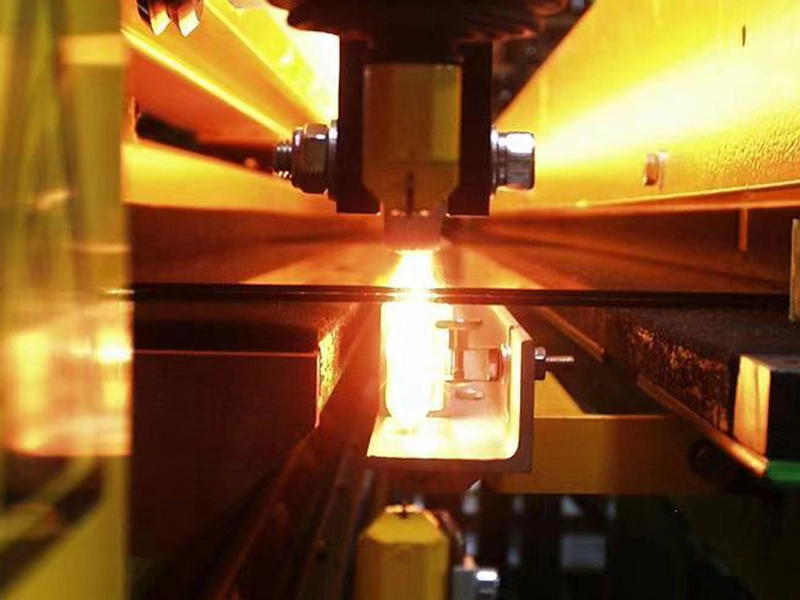
Stop Wasting Power on Your Glass Annealing Line
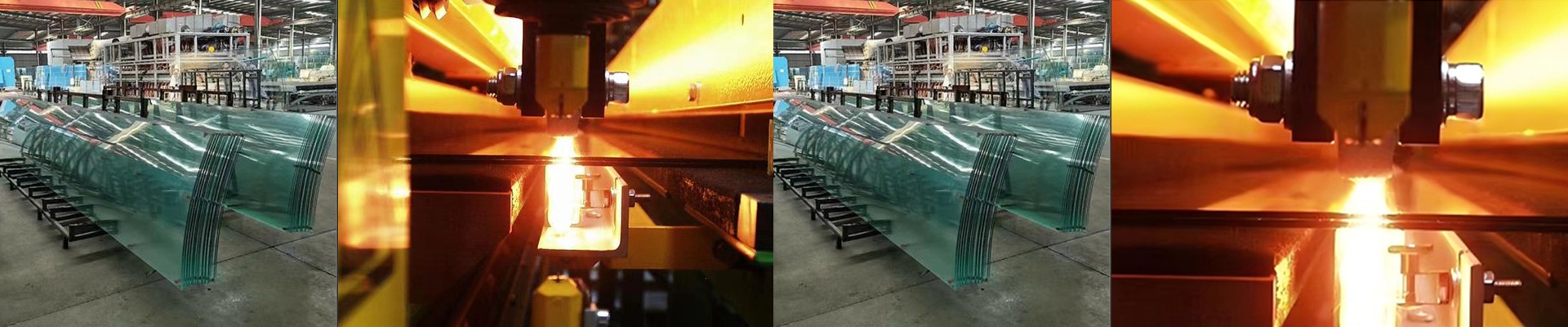
Let’s be honest: preheating and annealing are usually where the power bill goes to die. Most glass cutting lines just bleed energy because they aren’t heating the glass—they’re heating the air around it. We did things differently with our infrared (IR) lamps. We built them to tackle the thermal inertia of the glass itself, which means your machines stop sucking up peak current for longer than they actually need to.
Getting the heat where it actually belongs
We use short-wave IR technology here. The big difference? It doesn’t waste time warming up the room. It punches right through the surface of the glass. You hit your target temperatures way faster. And if you’re running a high-speed line, that’s a lifesaver. You need a lamp that bounces back instantly between sheets, or you’re just losing money every time the belt moves.
Built for the grind
These tubes are made from high-purity quartz. Why? Because CNC environments are brutal. You’ve got extreme temperature swings that would crack cheaper materials. Inside, there’s a halogen cycle that keeps the filament from burning out. You won’t find yourself climbing ladders to swap lamps every couple of weeks. Plus, we use standard industrial connectors, so you can just drop these into your current setup without a headache. They play nice with your existing PID controllers, too, so you can still dial in your temperature zones exactly how you like them.
A few things to keep in mind
Now, these lamps pack a punch. Because they’re so high-intensity, they put a real load on your electrical setup. Just double-check that your cabling can handle the wattage. You don’t want to deal with voltage drops mid-shift. Also, short-wave IR is aggressive. If the lamps aren’t positioned just right, you’ll get hot spots. And in the glass world, a hot spot usually means a stress fracture. It’s worth taking a look at your lamp spacing. If you get an even spread across the cutting bed, you avoid those annoying “zebra stripes” and stop wasting energy by overheating the edges.