
Dealing with Cold Spots in Glass Annealing
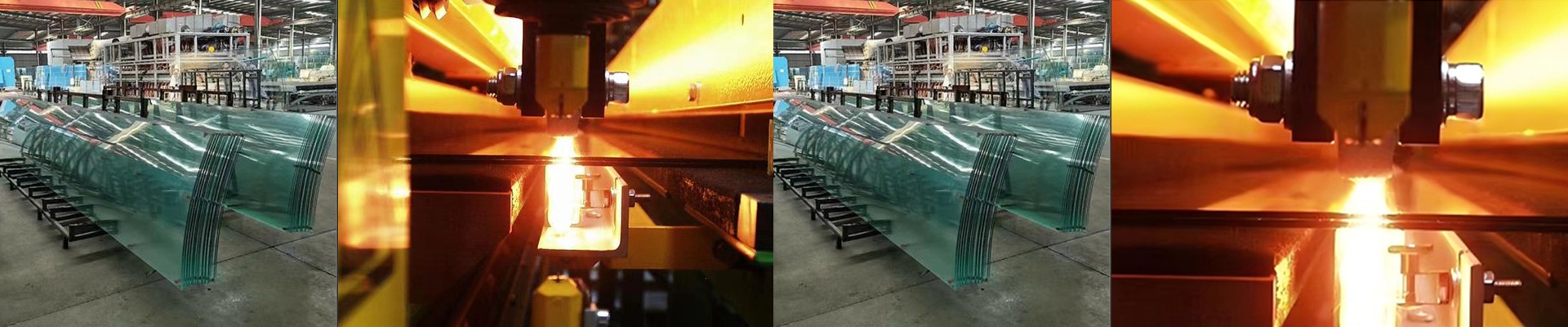
Anyone who’s worked with complex glassware knows the nightmare of “cold spots.” You’ve got a piece with weird curves or deep recesses, and your kiln just can’t get the heat into those tight corners. The result? Uneven stress, a piece that looks fine until it suddenly snaps, and a lot of wasted time. The common instinct is to just crank up the heat for the whole kiln. But that’s a trap. If you do that, you’ll end up overcooking the thinner parts of the glass while the thick bits are still shivering. Here is how we actually fix it. We use custom quartz infrared lamps to hit those dead zones directly. Specifically, we lean on short-wave infrared (SWIR) emitters. Think of these as precision heat tools. Because they pack a lot of power into a small space, we can tuck them right where the airflow is blocked or where radiation can’t reach. We just tweak the wattage and the length of the quartz tube until the heat output perfectly matches the mass of the glass. The hardware matters, too. We use high-purity quartz for the envelopes because it can handle the shock of rapid heating and cooling without cracking. And we aren’t stuck with boring straight tubes. If your vessel has a strange contour, we can bend or configure the lamps to follow that shape. It’s about wrapping the heat around the glass, not just blasting it from one side. As for the wiring, whether you go with R7s or specialized pins depends on your setup. But a pro tip: use heavy-duty terminals. Long annealing cycles are brutal on contact points, and the last thing you want is a burnout in the middle of a run. Now, there is a catch. These high-density heaters kick in instantly, but they pull a lot of power. If you’re stuffing a kiln with several of these to kill every last cold spot, your electrical panel is going to feel it. You’ll also need to make sure your cooling fans can handle the extra ambient heat. Plus, keep an eye on the lamp ends. If there isn’t enough ventilation around them, the filaments will burn out way faster than they should. Keep them breathing, and they’ll last.