
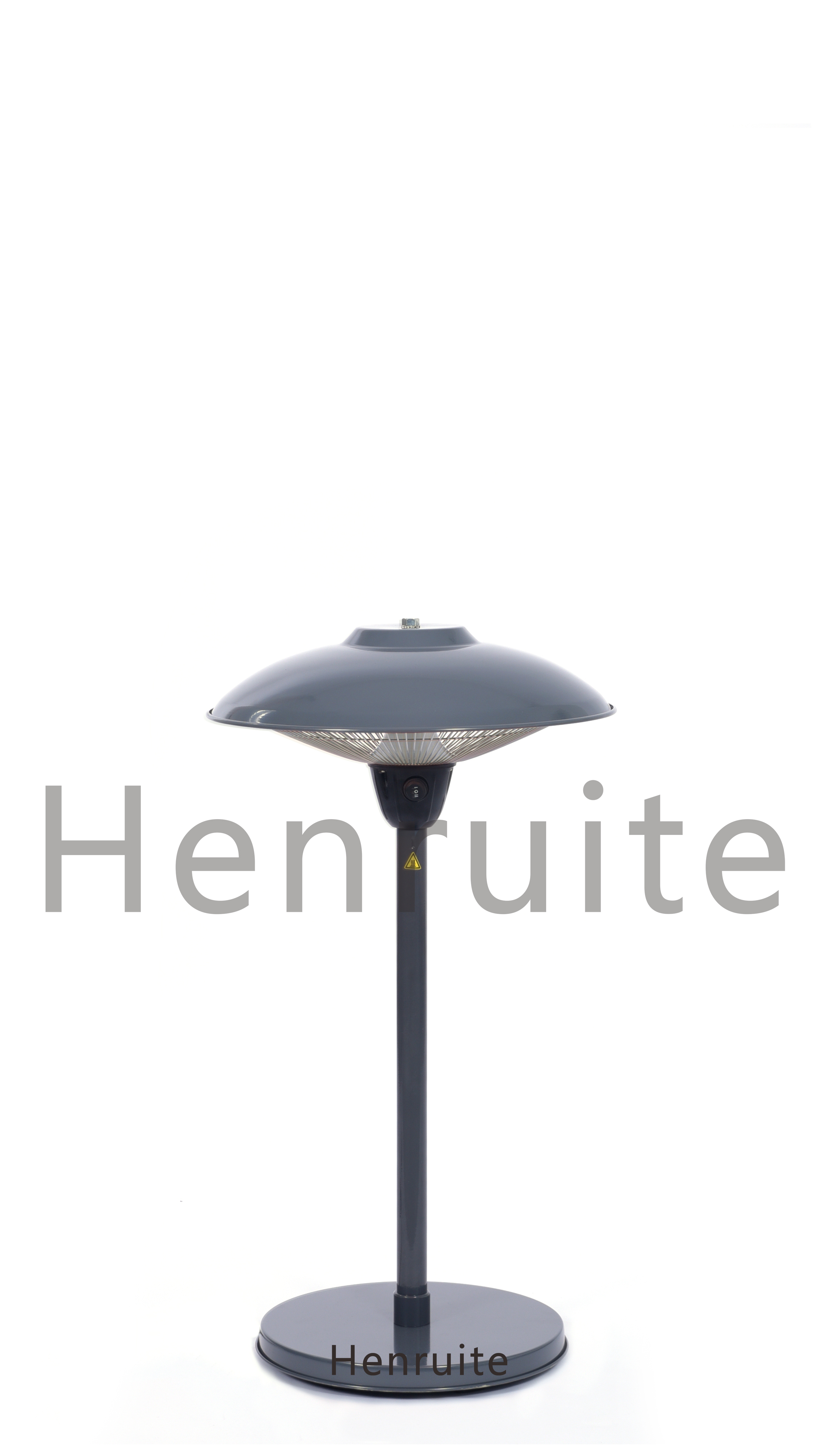
How to Actually Get Your Pergola Warm (and Keep it That Way)
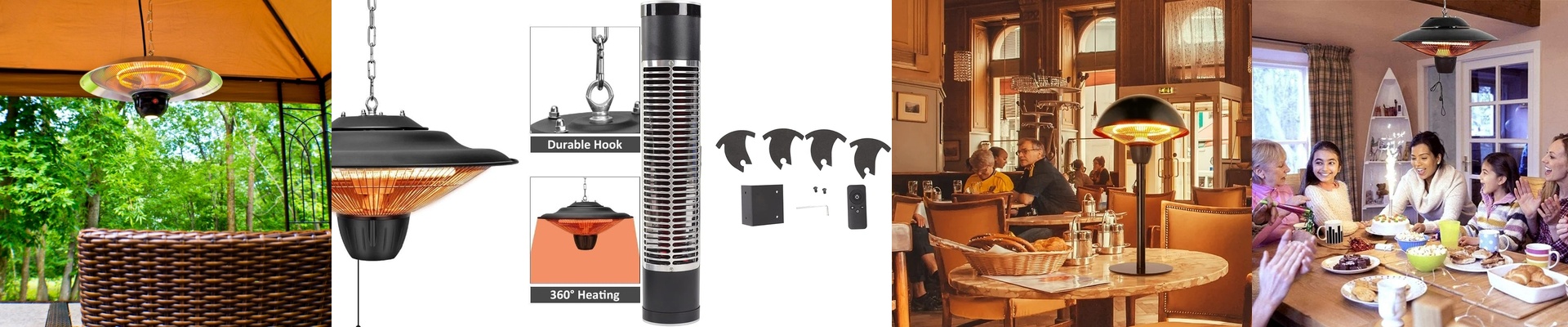
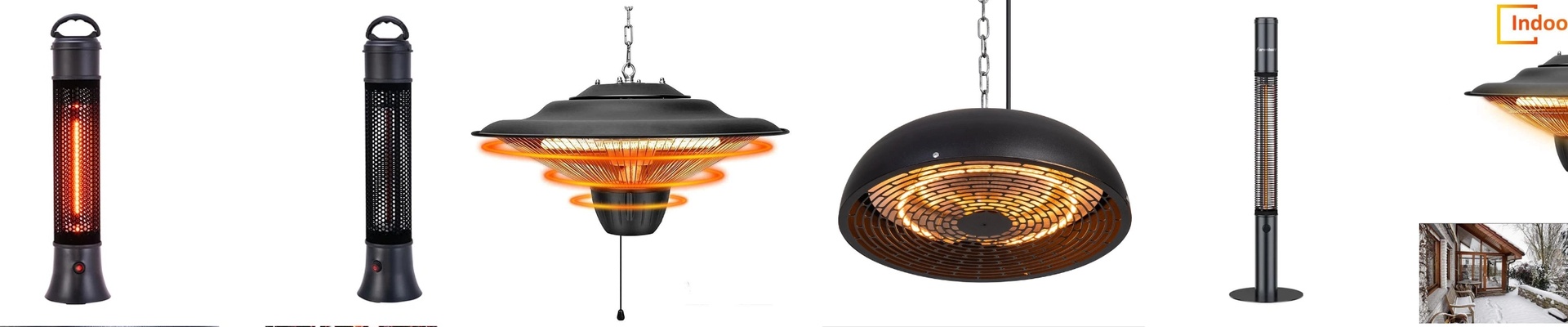
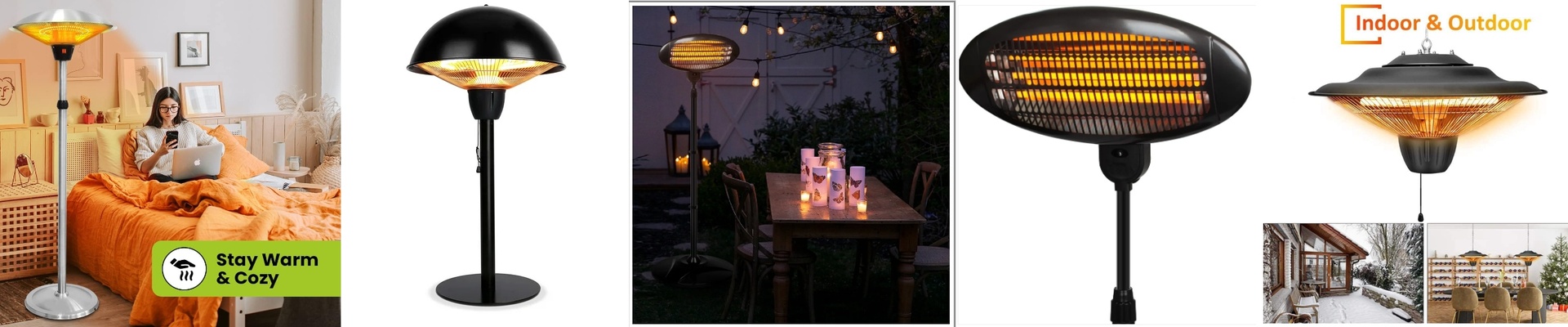
If you’ve ever tried to hang out under a pergola in the shoulder seasons, you know the struggle. It’s beautiful out, but the second a breeze hits, you’re shivering. To fix this, you need a heating setup that doesn’t mind a bit of rain and doesn’t take an hour to kick in. We go with short-wave infrared emitters for these builds. Here is why: they don’t bother trying to warm up the air—which is basically impossible outdoors. Instead, they beam heat directly onto you. It feels like stepping into a patch of sunlight on a cold day. It’s instant. Keeping the rain out Outdoor gear takes a beating. To stop your heaters from dying the first time a storm rolls through, we use IP-rated housings. That’s just a fancy way of saying they’re sealed tight. We use heavy-duty gaskets and alloys that won’t rust away in the humidity. Because wind just strips heat away, we also use high-wattage elements. You need a lot of raw power to fight off a chilly evening; otherwise, you’re just paying for a very expensive light bulb. Making it “Smart” The best part is when you can trigger the heat before you even step outside. We hook the heaters up to a smart home gateway using Zigbee or Matter. But here is a word of warning:Do not just plug these into a cheap smart plug from the drugstore. Infrared lamps pull a massive amount of current. A standard consumer relay will literally melt or fry if you try to run several lamps through it. We use dedicated contactors to handle the heavy lifting. You hit a button on your phone, the contactor snaps shut, and you’ve got a warm patio in seconds. The stuff people forget Adding smart controls makes the wiring a bit more crowded. And here’s the thing: high-wattage cables get warm. If you cram your wires too tightly into a conduit, that heat has nowhere to go, and you risk melting the insulation. It’s a mess you don’t want to deal with. To avoid that, we use oversized wiring. It keeps the voltage steady and, more importantly, keeps the cables cool.