
Why Your Bathroom Heater Keeps Dying (And How to Fix It)
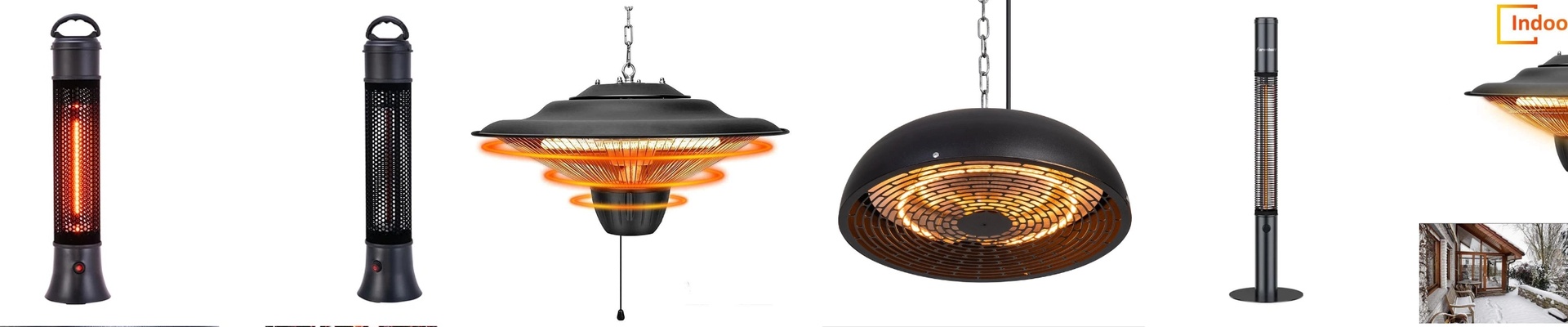
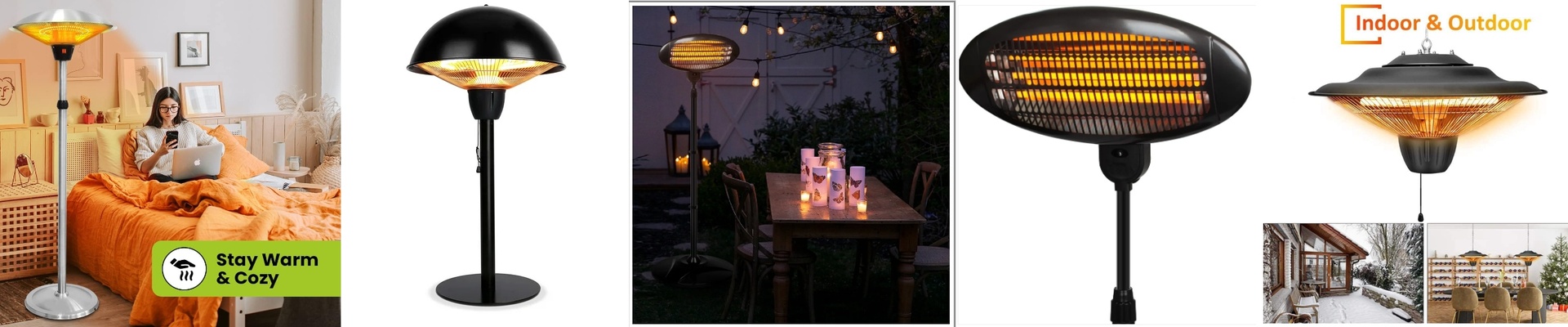
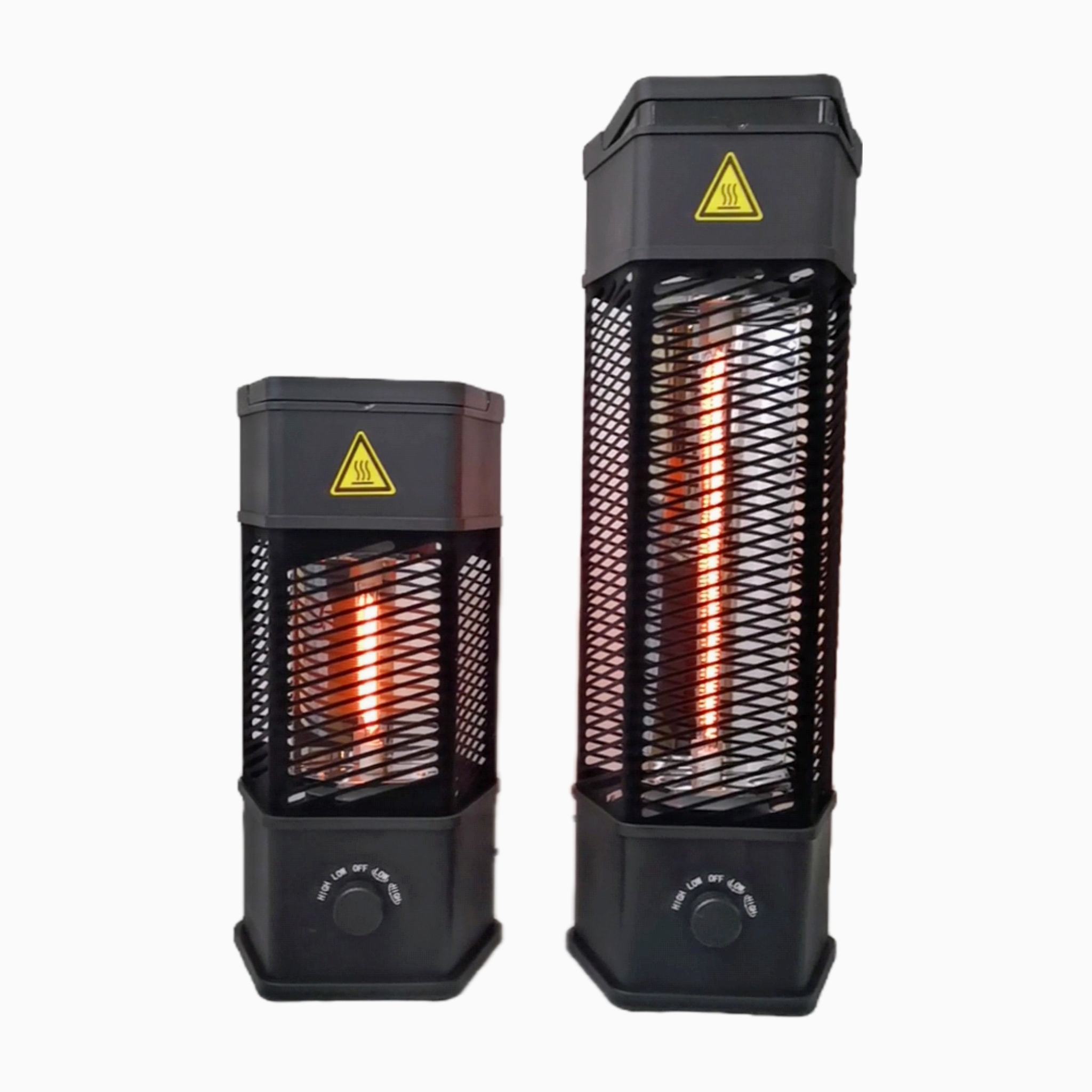
If you’ve ever had one of those old-school halogen “light heaters” in your bathroom, you know the drill. They work great for a few months, and then—pop—they’re dead. It’s not a mystery. They just aren’t built for the steam. When you’re showering, your bathroom basically becomes a sauna, and those cheap heaters just can’t handle the humidity. That’s why we’ve been moving toward waterproof infrared heaters. They actually survive the moisture without shorting out. The secret is in the seal. Think about a standard lamp. Steam gets inside the housing, eats away at the terminals, and kills the filament. Simple as that. We use high IP-rated enclosures (look for IP44 or IP65) that act like a raincoat for the heating element. They keep the splashes and vapor out. But the real magic is how they heat. Instead of trying to warm up all the air in the room—which takes forever—these units send short-wave radiation straight to you. You feel it instantly. Your skin feels warm, the floor feels warm, and you aren’t shivering the second you step out of the shower. No more “thermal shock” We’ve stopped using those open-face designs. Now, the elements are tucked away inside tempered glass or quartz tubes with heavy-duty seals. Why? Because if a cold drop of water hits a scorching hot lamp, the glass can crack. It’s called thermal shock, and it’s a nightmare. By using moisture-resistant wiring and casings that won’t rust, these things actually last. A few things to keep in mind Now, it’s not a “plug and play” situation for every single home. Since these infrared units pull more power than a basic light bulb, you’ll want to double-check your circuits. You don’t want to be flipping your breaker switch every time you want to feel warm. Also, if you’re swapping these into an old bathroom, look up at your ceiling. The waterproof housing is a bit bulkier than those skinny old lamps. You’ll need a little more room in the ceiling to make them fit. It’s a small trade-off. You lose a bit of space, but you gain a heater that doesn’t die every winter and, more importantly, won’t put you at risk in a wet room.