
Why Most Bathroom Heaters Fail (And How We Stop It)
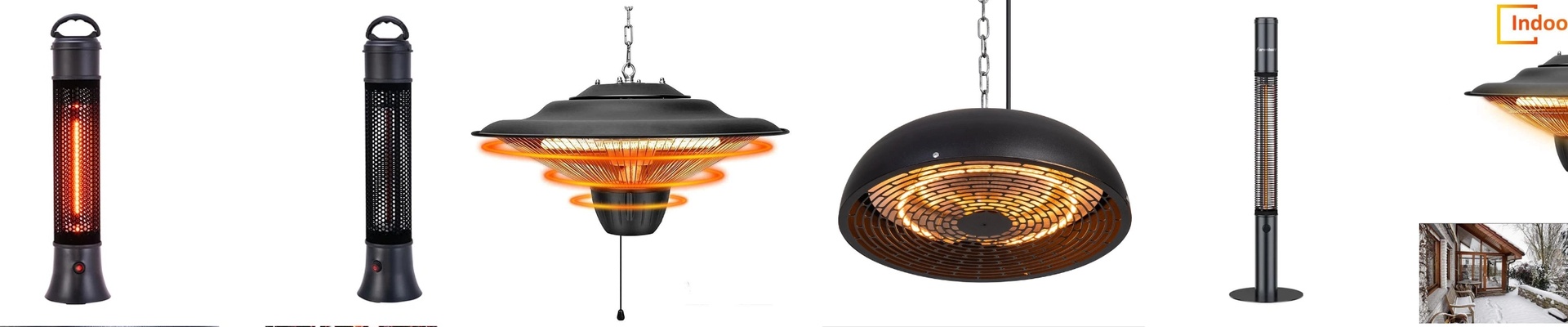
Let’s be honest: bathrooms are absolute nightmares for electronics. You’ve got thick steam, wild temperature swings, and the constant threat of a stray spray of water. You’ll see “IP55” slapped on a lot of boxes. On paper, that means the thing keeps out dust and handles a few water jets. But here’s the thing—a rating on a spec sheet doesn’t mean a heater will actually survive six months of daily showers.
The invisible battle with moisture
We spend a lot of time putting our infrared lamps through “damp-heat” tests. Basically, we try to break them. See, moisture doesn’t just sit on the outside. It migrates. If there’s even a microscopic gap in the seals or the wiring, water vapor sneaks inside. Once it’s in, it starts eating away at the metal. It’s a slow, creeping corrosion that you can’t see until it’s too late. We obsess over this because if the insulation fails, you get current leakage. In a room full of water and bare feet, that’s a problem we simply can’t have.
The “breathing” problem
It’s not just the wetness; it’s the cycle. One minute the heater is cranking out heat at several hundred degrees. The next, it’s cooling down in a humid room. This makes the materials expand and shrink. We call it “breathing.” As the unit cools, it can actually suck moist air right into the guts of the machine. If the gaskets aren’t exactly right, they’ll crack or warp. And once that seal is gone, the clock starts ticking.
The real-world catch
Now, I’ll be straight with you: no seal lasts forever. Even with a great IP55 rating, a lot depends on how the thing is actually installed. If the wiring is sloppy or the conduits aren’t up to code, the internal parts are still going to take a beating from the humidity in the air. That’s why we push our gear to the absolute limit in the lab. We want to make sure that when it hits a real bathroom, it just works—without burning out the circuitry or leaving you in the cold.