

Why We Build Our Ceiling Heaters to be Swappable
If you’ve ever managed a big industrial space, you know the deal with ceiling-mounted infrared heaters. They’re great—until they aren’t. Here’s the reality most engineers ignore: heating elements eventually burn out. It’s just physics. But when a tube dies five years down the road, the last thing you want is to spend your entire weekend tearing down the housing or rewiring the whole ceiling grid. That’s a nightmare.
The “Drop-In” Approach
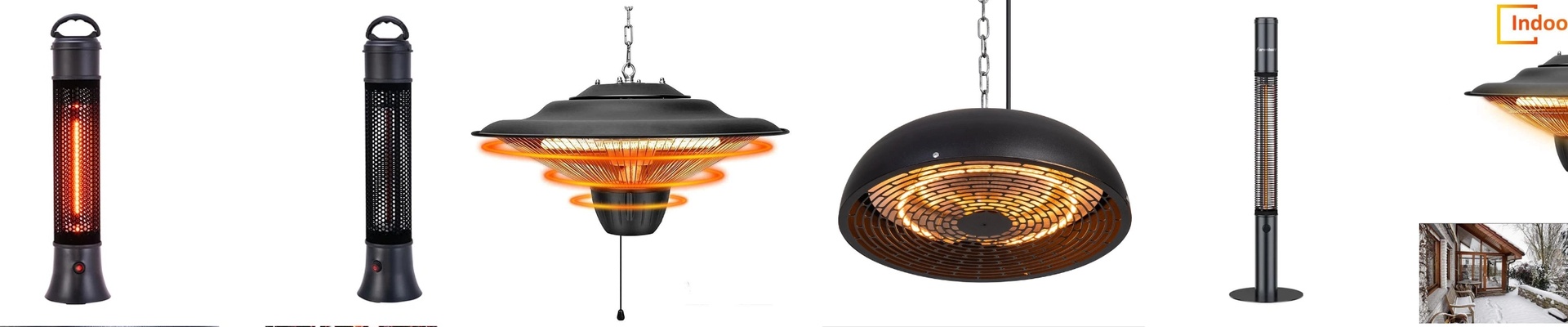
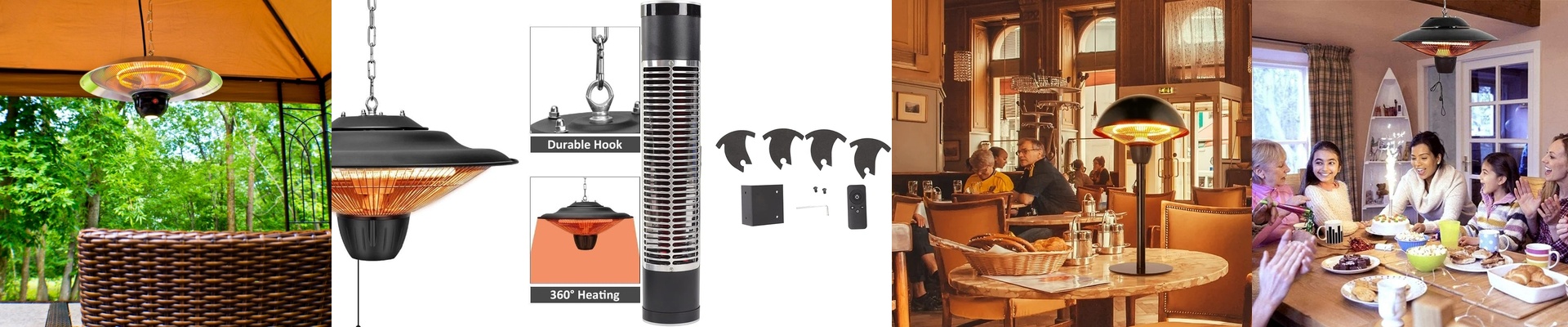
We decided to stop fighting that battle. Instead of hard-wiring the heating element straight into the chassis, we use a modular frame. Think of it like a cartridge. We’ve separated the electrical guts from the part that actually makes the heat. When a tube goes, you don’t have to spec out a brand new unit or rent a massive scaffolding setup. You just pull the old module out, slide the new one in, and lock it.**Done.**You’re back in business in minutes.
Dealing with the Wear and Tear
Infrared tubes take a beating. Thousands of hours of heating up and cooling down eventually kills the filament. In those old-school, one-piece systems, replacing a single tube is a chore. You’re dismantling reflectors and fighting with safety guards just to get to the part you need. We designed ours so you can get to the element from the side or the bottom. Plus, we use standardized connectors. No more fighting with stripped screws or mismatched wires while you’re balancing on a ladder. It just fits.
The One Catch
Now, look—nothing is perfect. Because we use a modular system, there are more connection points than you’d find in a single welded piece. That means you actually have to pay attention during your annual inspections. Check your terminals. Make sure they’re tight. A loose connection creates resistance, and resistance creates heat right where you don’t want it. Keep the contacts clean and snug, and the whole thing will last for years. It’s a simple trade-off. You spend a few minutes tightening a screw once a year, and in exchange, you never have to deal with a catastrophic maintenance event again. It turns a huge headache into a quick part swap.