
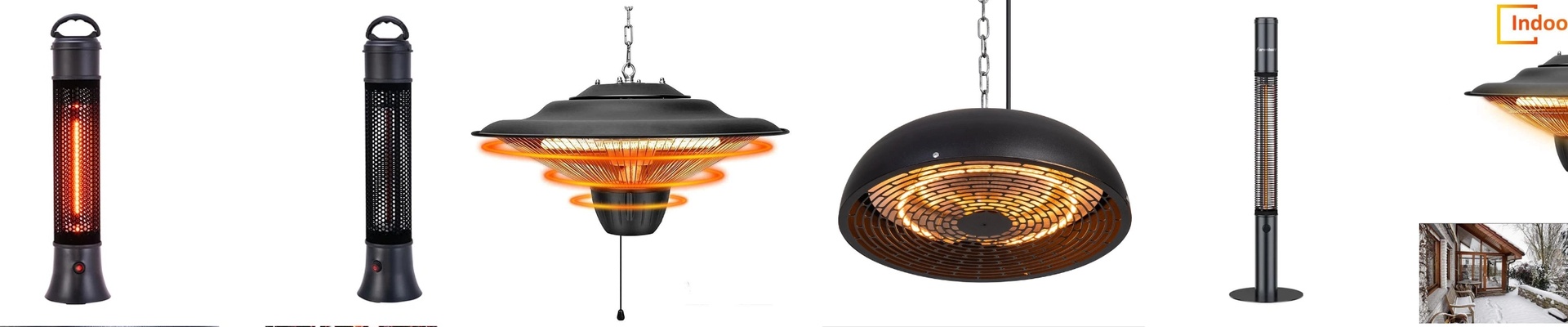



How to stop the “cold shock” in wet rooms
Ever walked into a high-end locker room or changing area and felt that sudden, shivering chill? It’s a common problem. Between the high humidity and the constant draft from the vents, the air just stays cold. We fix this using short-wave infrared heaters with an IPX5 waterproof rating. The trick here is that we aren’t trying to heat the air. That’s a waste of time. Instead, these units beam heat directly onto your skin and clothes. It’s the difference between waiting for a room to warm up and stepping into a patch of sunlight on a winter day. The secret to that instant warmth Because we use short-wave emitters, the heat skips the air entirely. You feel it the second you walk in. No waiting. No shivering. But since we’re talking about wet environments, the IPX5 rating is the part that actually matters. It basically means the guts of the heater—the wiring and the elements—are sealed tight. You can mount these in spots where they’ll get hit by splashes or heavy steam, and you won’t have to worry about a short circuit or the unit burning out after a month. The gear under the hood Inside, these units use quartz glass tubes filled with halogen gas. This keeps the operating temperature high but helps the filaments last a lot longer. We also wrap everything in corrosion-resistant casings. If you’re dealing with salt or chlorine vapor, you need this, otherwise, the chassis will just eat itself. One quick heads-up on the electrical side: these arrays pull a lot of current. If you’re installing a big bank of them in a commercial space, double-check your breakers. You don’t want the power tripping the moment everyone turns them on. A few things to keep in mind Short-wave heat is powerful, but it’s very directional. If you just put one up, you’ll have a “hot spot” right under the lamp and a cold gap right next to it. To get that cozy, uniform feel, we usually overlap the radiation patterns during the layout. And just a reminder: IPX5 is great for splashes, but it’s not a submarine. Keep them off the floor. If the room floods, you’re going to have grounding issues, and that’s a headache nobody wants.