

Stop Your Borosilicate Glass From Cracking During Tempering
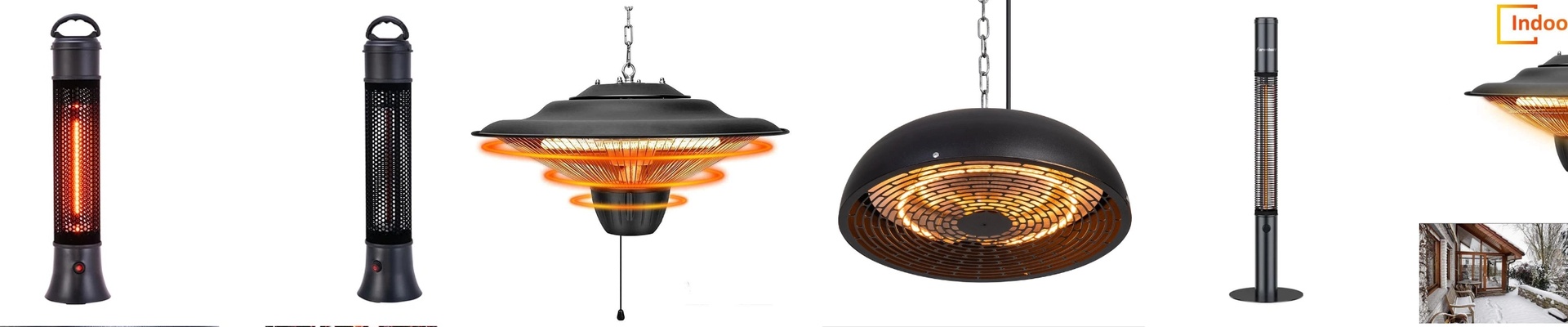
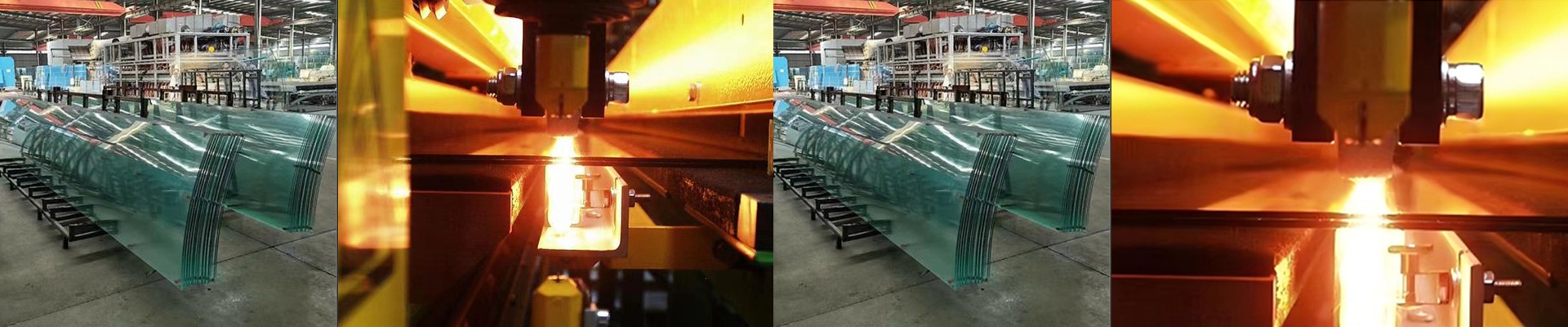
Borosilicate glass is a beast when it comes to heat, but it’s not invincible. If you hit it with a temperature swing that’s too aggressive during flash tempering, it’ll snap. Simple as that. The trick isn’t just about cranking up the heat. It’s about how fast you can pivot your power output to keep the glass from freaking out. That’s where shortwave IR lamps come in.
Why Speed Matters
To keep your workpieces from shattering, you need a heat source that hits its peak in milliseconds. Shortwave IR lamps are perfect for this because they move energy through radiation. No waiting around for air to heat up. When you pair these with an SCR power controller, you can basically “play” the wattage in real-time. You can ease into the heat or kill the power the second the glass hits a danger zone. If you’re too slow with the ramp-up, the core gets hot while the surface stays chilly. That creates internal stress, and that’s exactly when you hear that dreaded crack. Fast-response IR just gets rid of that lag.
The Gear (and the Gotchas)
I usually suggest high-density quartz envelopes for these lamps. You need something that can handle the brutal internal temps required for borosilicate. Depending on your setup, you’ll probably want R7s or SK15 connectors. It makes it way easier to just pop a new tube in when one finally burns out. But here is the catch: these high-wattage tubes put out an insane amount of heat. If you cram too many of them into a tiny chassis, you’re going to melt your own wiring. Don’t skip on the cooling fans or heat shields. If the ambient temp gets too high, you’ll be replacing your lamps way more often than you want to.
Making it Work on the Floor
Once you get these lamps running on your line, you’ll notice the tempering cycle gets a lot faster. You get a deep, precise heat soak without those annoying “cold spots” that lead to breakage. Just a tip: make sure your sensors are actually synced up with how fast the lamps react. If the sensor is lagging, your thermal shock protection is basically useless.