

Stop Fighting Your Glass Annealing Lag
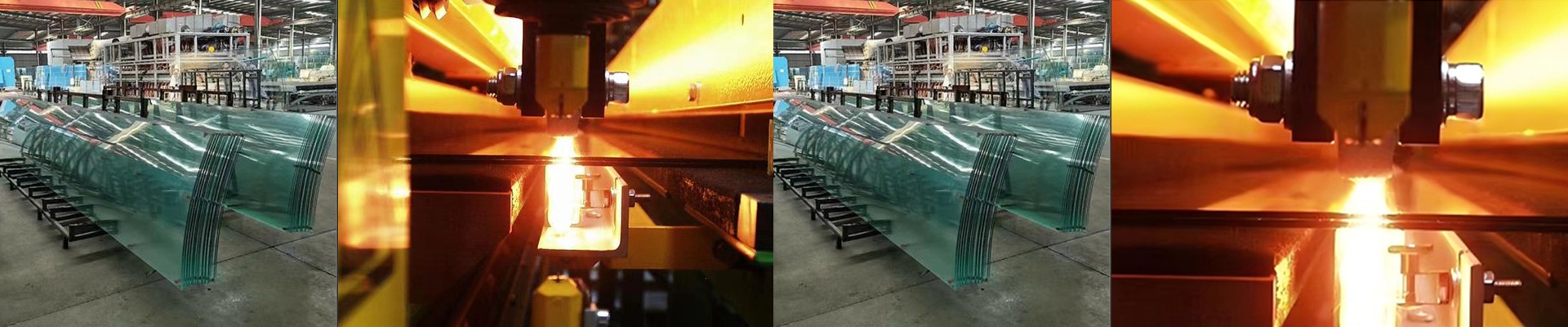
If you’re running a continuous glassware line, you know the frustration of waiting on a convection oven. That lag time is a killer. When your line is moving, you can’t afford to wait for the air to warm up—or worse, wait for it to cool down so you don’t blow past your annealing point. That’s why we lean on shortwave infrared (IR) lamps. They just get the job done faster. Why IR actually works Here is the thing about IR: it doesn’t mess around with heating up the air first. It uses direct radiation. The heat hits the glass surface almost instantly. We build these lamps to hit full power in milliseconds. This means you can tweak the heat in real-time while the glass is gliding down the conveyor. You get a handle on that thermal gradient, which is the only way to kill internal stress without grinding your whole production line to a halt. The gear you’ll actually use Most of our setups use quartz-halogen tubes. They pack a ton of power into a tiny space, so you can squeeze more heating zones into a shorter line. Plus, we use standard R7s or Sk15 connectors. Why? Because when a lamp eventually burns out, you want to swap it in seconds, not spend an hour fighting with the wiring. Now, if you’re working with thick-walled glass, you’ll want the high-wattage versions to get that deep heat. But a heads-up: all that power creates a lot of heat in the housing. You’ve got to make sure your venting is dialed in. If the airflow is lazy, you’ll get “heat soak,” and that’s how you warp your fixtures. Keeping the line moving The best part? You can ditch those massive reheating chambers. Instead, you can run a “heat-cool-heat” cycle right there on the belt. It keeps everything flowing. You aren’t standing around waiting for a giant oven to recover its temp after you pull a batch. You just adjust the power, keep your eyes on the glass, and keep the line moving.