
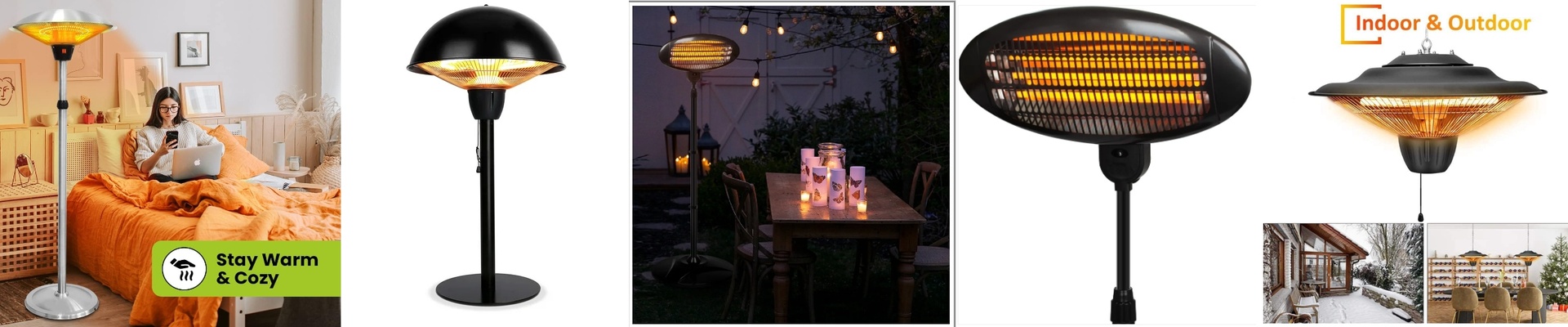



Why Your Bathroom Needs More Than Just a Basic Heater
Most of us just want a bathroom heater so we don’t freeze the second we step out of the shower. But if you look under the hood, an IP65-rated infrared heater is actually doing a much bigger job: it’s fighting moisture. We build these things specifically for the steam-filled chaos of a bathroom—the kind of place where a normal heater would probably short out or just rust away.
Dealing with the Damp
Here is the thing about standard heaters: they just warm up the air. Infrared is different. It goes straight for the surfaces. We use short-wave radiation to get deep into your walls and ceilings. It creates a little pocket of warmth that basically forces standing water to evaporate way faster. Think of it this way. When your walls stay warm, condensation can’t settle. If the water can’t settle, mold doesn’t have a place to grow. It’s a quiet, hands-off way to keep your grout and paint dry by pushing all that humidity right toward the exhaust fan.
Built to Survive the Steam
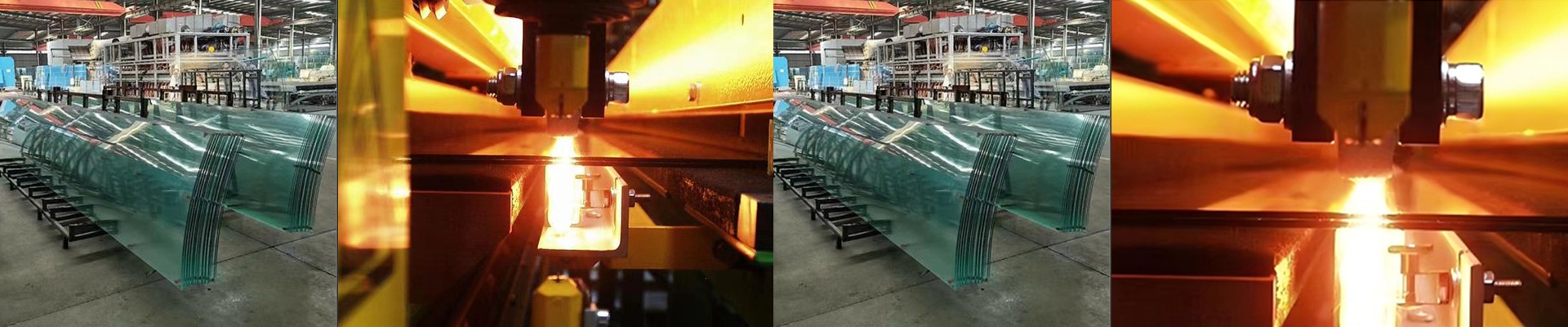
Water is the enemy. It’s usually why bathroom electronics die a premature death. That’s why we stick to IP65 standards. In plain English? The housing is totally dust-tight and can handle water jets hitting it from any angle without breaking a sweat. We wrap the heating elements in high-grade quartz glass so they don’t oxidize. Plus, we use sealed gaskets and fasteners that won’t corrode, meaning your wiring won’t fry just because you took a long, steamy shower.
The Honest Trade-offs
Nothing is perfect. Infrared heat is directional. You’ll feel an immediate, cozy blast of warmth wherever the lamp is pointing, but the far corners of the room might stay a bit chilly. You just have to be smart about where you mount them to avoid those cold spots. One last tip: these lamps pull a lot of power when they first kick on. Make sure your circuit breaker and wiring can handle that initial spike, especially in the dead of winter, or you’ll be spending your morning flipping switches in the basement.