


Keeping Your Mirror Heaters Safe When Things Get Steamy
Putting infrared heaters behind a bathroom mirror sounds simple, but it’s actually a bit of a nightmare for the electrical insulation. You’ve got constant steam, dripping moisture, and temperature swings happening all at once. If the insulation gives out, you get leakage currents. In a bathroom, that’s not just a technical glitch—it’s a serious safety risk.
Dealing with the Damp
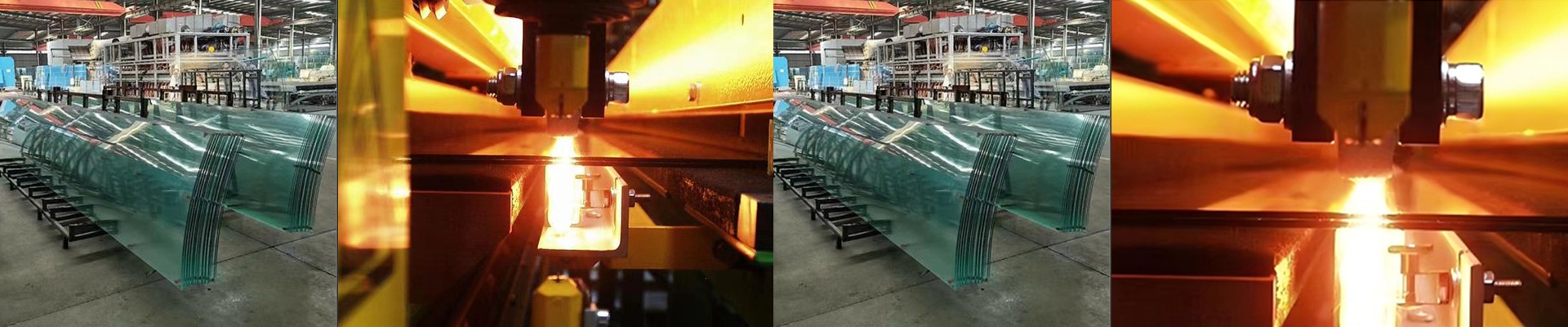
We spend a lot of time obsessing over how to keep the electricity where it belongs. For these heaters, we stick with high-grade quartz glass and ceramic end-caps. They act as the main shield between the live heating element and the mirror’s frame. Here’s the tricky part: moisture loves to find a path. It can literally crawl across the surface of an insulator to find a way to ground. To stop this, we make sure there’s plenty of physical distance between the live terminals and the frame. We also use silicone potting or heat-shrink sleeves at the connection points. It basically seals the terminals in a waterproof bubble so the steam can’t get in.
Room to Breathe
Things grow when they get hot. Infrared lamps are no different. If you clamp them in too tight, the glass will crack the moment it warms up. But if you leave them too loose? Steam leaks right in. We solve this with spring-loaded mounts. It lets the tube expand and contract naturally. Then there’s the wiring. You can’t just use standard PVC—it’ll melt and short out against the back of the mirror. We use fiberglass or PTFE-coated leads because they can actually handle the heat without turning into a puddle.
The Balancing Act
It’s tempting to go for the highest wattage possible so the mirror defogs instantly. But there’s a catch. Cramming a 200W lamp into a tiny space creates a lot of thermal stress. Over time, that intense heat can bake the potting compound until it becomes brittle and cracks. You have to find that sweet spot between power and airflow. And honestly? Always wire it up with a GFCI. It’s the ultimate safety net just in case something goes sideways with the insulation.